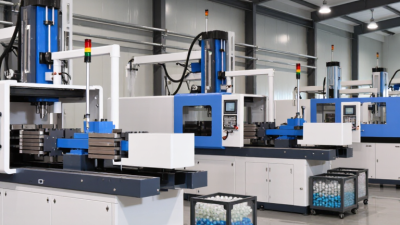
Choosing a plastic injection machine is rarely a simple comparison of price tags. Buyers need to match clamping force, shot size, and cycle time to their parts, molds, and production goals. A machine that is too small may struggle with a large mold. One that is oversized can add avoidable energy and purchase costs.
Details matter. The right choice also depends on factory space, resin requirements, operator training, and access to maintenance. For global buyers, check the supplier’s technical documentation, spare-parts availability, service response, and compatibility with local power systems. Confirm current specifications directly with manufacturers, since configurations and prices can change.
This guide reviews seven machine options through practical buying criteria, not headline claims alone. It considers hydraulic, hybrid, and all-electric designs, along with their typical strengths and trade-offs. Production volume, part complexity, and budget can shift the ranking. Fit varies. A lower energy estimate, for example, should be weighed against the machine’s purchase price and the actual operating schedule. Buyers should also ask for mold-trial data, sample parts, and clear warranty terms before making a commitment. These details help reveal whether a model suits real production rather than a brochure example. No shortlist replaces a plant-specific assessment, and supplier claims deserve careful checking. Still, a structured comparison can make the search clearer and help buyers ask better questions.
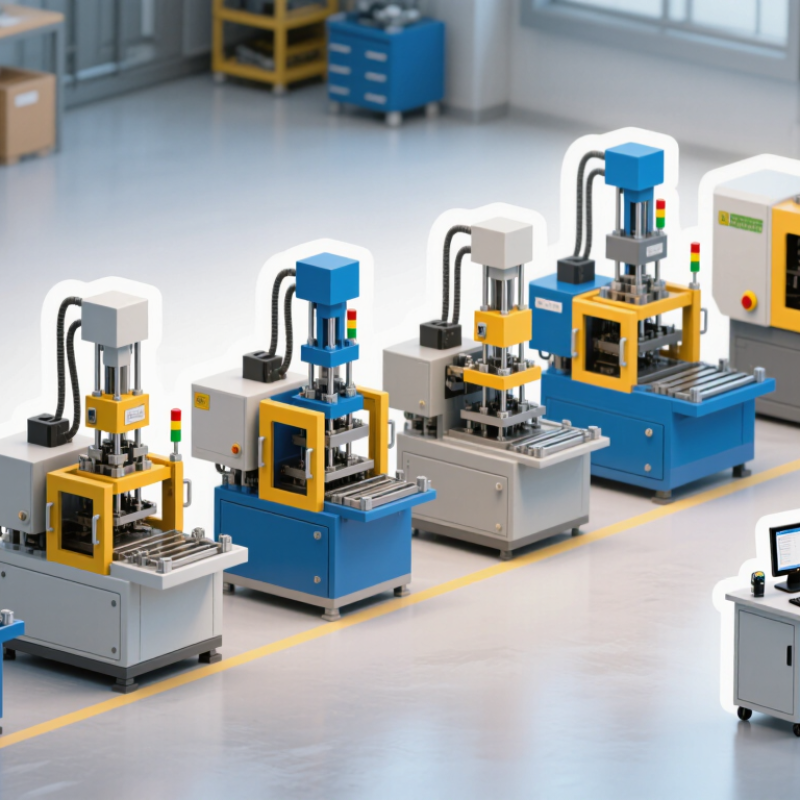
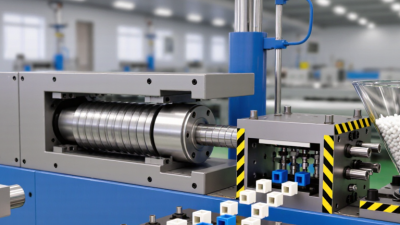
Plastic injection molding turns thermoplastic pellets into repeatable parts. Pellets drop from a hopper into a heated barrel, where a rotating screw softens and blends them. The screw then pushes the melt through a nozzle into a closed mold. Pressure fills small details, such as ribs or narrow clips. The plastic cools until it holds its shape, and ejector pins release the part. That cycle sounds simple. Small changes in temperature or pressure can still affect the result.
Machines produce items such as food containers, appliance housings, medical-device components, and automotive fittings. The mold defines the part’s shape; the machine controls how material enters and cools inside it. Operators may adjust settings after inspecting sample parts for sink marks, flash, or uneven dimensions. A glossy surface can hide internal stress, so appearance alone is not enough. Some designs also need gates and cooling channels positioned carefully. This work takes judgment, and not every setup is perfect on the first try.
Tips: Match machine capacity to the part’s projected area and shot volume. Check material drying needs, mold temperature, and cycle consistency. Compare several sample shots, not just one. Record settings and defects; otherwise, troubleshooting becomes guesswork.
Global buyers should compare more than clamp force and quoted price. Check shot capacity against the actual part, resin, and runner design. A machine that is oversized may waste energy and floor space. Verify local voltage, frequency, cooling-water needs, and service access before purchase. Small details matter.
OECD’s Global Plastics Outlook (2022) estimates that 460 million tonnes of plastics were used worldwide in 2019; only 9% of plastic waste was ultimately recycled. That makes recycled-resin performance a practical comparison point. Ask for a trial using your own material, including its moisture and contamination limits. A brochure cannot show every variation. That comparison is imperfect.
For energy claims, request measurements under comparable conditions. EUROMAP 60.1 provides a method for measuring the energy efficiency of injection moulding machines. Compare energy per kilogram alongside cycle time, scrap rate, and part quality—not as a standalone figure. Also confirm the stated test material and mould, since different setups can shift results. I would still question any unusually low figure without the test conditions. Keep the production record.
This chart compares representative clamping-force bands across seven common machine size classes. These indicative ranges vary by manufacturer and configuration; the best fit also depends on part size, mold dimensions, resin, energy needs, and local service support.
PlasticsEurope’s Plastics – the Fast Facts 2024 report estimates global plastics production at 413.8 million tonnes in 2023. This scale makes machine choice a practical production decision, not just a purchase comparison. Seven common configurations serve different needs. Hydraulic machines offer strong clamping force for large parts. All-electric presses provide precise, repeatable movement and can reduce energy use in suitable applications. Hybrid machines combine electric injection with hydraulic clamping. The trade-off is more complicated maintenance.
Vertical machines keep inserts accessible for overmoulding. Two-platen designs can provide a shorter footprint for high-tonnage production. Multi-component presses mould different materials or colours in one cycle, but require careful process control. Micro-injection machines handle small, detailed parts; stable material drying and accurate dosing matter greatly. Small errors show.
Features alone do not predict output. Buyers should compare shot size, tie-bar spacing, mould thickness, clamping force, and cycle-time data against actual part drawings. Ask suppliers to run a mould trial using the intended resin, then inspect sample parts for flash, sink marks, and dimensional variation. The industry production figure describes plastics overall, not injection-moulded output. A more useful shortlist comes from verified machine trials and local service capability.
| Machine Type | Typical Clamping-Force Range | Drive or Configuration | Suitable Applications | Key Advantages | Buyer Considerations |
|---|---|---|---|---|---|
| Hydraulic Injection Molding Machine | Approximately 50 to 5,000+ metric tons, depending on the model | Hydraulic pumps power the injection and clamping systems | General-purpose molding, large parts, and production requiring high clamping force | Broad size availability; well suited to demanding applications and established production processes | Compare energy use, oil temperature control, maintenance requirements, and the machine’s actual cycle performance |
| All-Electric Injection Molding Machine | Approximately 20 to 1,000+ metric tons, depending on the model | Servo motors drive the main machine movements | Precision parts, clean production areas, medical components, and electronics | Precise, repeatable movement; no hydraulic oil in the drive system; often suitable for energy-conscious production | Check available clamping force, injection capacity, service support, and the machine’s performance with the intended material |
| Hybrid Injection Molding Machine | Approximately 50 to 4,000+ metric tons, depending on the model | Combines electric drives for selected movements with hydraulic power for others | Mixed production needs where both process control and high force are important | Can combine accurate movement control with strong clamping or injection capability | Hybrid designs vary; compare the drive arrangement, energy consumption, and maintenance needs for the specific machine |
| Vertical Injection Molding Machine | Approximately 15 to 500 metric tons, depending on the model | Vertical clamping unit; may be hydraulic, electric, or hybrid | Insert molding, connector production, and parts requiring manual or automated insert placement | Gravity can help keep inserts in position; the layout can suit rotary-table or shuttle-table operation | Consider operator access, guarding, automation layout, mold dimensions, and the required platen configuration |
| Two-Platen Injection Molding Machine | Approximately 500 to 6,000+ metric tons, depending on the model | Clamping system uses two main platens and a compact mold-clamping arrangement | Large molded parts, automotive components, and applications with large molds | Can provide high clamping force with a shorter machine footprint than some conventional layouts | Check mold opening stroke, tie-bar spacing, mold handling access, and factory floor and foundation requirements |
| Toggle-Clamp Injection Molding Machine | Approximately 20 to 1,000 metric tons, depending on the model | A mechanical toggle linkage generates the clamping force | Small and medium parts, packaging, household products, and other high-volume applications | Fast clamp movement can support short cycles; the mechanism is widely used across many machine sizes | Confirm mold-height range, linkage maintenance needs, clamping-force control, and the required mold opening stroke |
| Multi-Component Injection Molding Machine | Approximately 100 to 3,000+ metric tons, depending on the model and layout | Two or more injection units feed a shared mold; configurations may include rotary or indexable platens | Two-color parts, soft-touch products, overmolding, and parts made from multiple materials | Can mold multiple materials or colors in one production cycle, reducing some secondary assembly steps | Check material compatibility, injection-unit arrangement, mold complexity, process control, and operator training needs |
Clamping-force ranges are indicative examples of commonly available machine capacities, not universal limits or rankings. Actual specifications vary by machine design, mold, material, and manufacturer.
A machine should fit the part, material, and cycle—not just look powerful on a specification sheet. PlasticsEurope’s Plastics—The Fast Facts 2024 reports 413.8 million tonnes of global plastics production in 2023. That scale hides wide differences in resin flow, part geometry, and order size. The OECD’s Global Plastics Outlook (2022) estimated that just 9% of plastic waste was recycled in 2019. For buyers considering regrind, that makes material consistency worth checking carefully. Ask suppliers to trial the actual resin blend, not only a similar grade. Small differences matter.
Start with projected part area and the resin’s recommended cavity pressure to estimate clamp-force needs. Then check shot capacity against the total part-and-runner volume, leaving a practical operating margin. Not just tonnage. Tie-bar spacing, mold thickness, platen size, and ejector stroke must also suit the mold on your floor. Compare screw diameter and injection rate with the part’s wall thickness and fill time. A thin-walled component may need fast, controlled filling; a thick section may need more cooling time instead. Verify cycle assumptions with a mold trial. Catalog figures can be optimistic, and I would treat them as a starting point, not a promise. Ask for measured cycle data, energy use, and samples from a comparable setup.
For global buyers, shipping a plastic injection machine involves more than comparing freight prices. Confirm the machine’s packed dimensions and weight, then check whether the container, port, and inland route can handle them. Ask what the quote includes: export packing, insurance, unloading, and delivery to your factory may be priced separately. A narrow gate or low ceiling can delay arrival after the machine reaches your site. Small details matter.
Tips: Photograph the access route, measure doorways and floor openings, and confirm unloading equipment before dispatch. Keep the packing list and installation drawings accessible to your receiving team.
Installation planning should begin before shipment. Confirm power supply, cooling-water connections, compressed air needs, and floor-loading requirements with qualified local technicians. Request a clear installation schedule and identify who handles commissioning, operator training, and troubleshooting. Remote support can help, but it works best when staff can share alarm codes, photos, and process readings. Ask about spare parts availability and typical response times in your region. Even a careful checklist can miss a site-specific constraint, so leave time for inspection and adjustments rather than scheduling production immediately after delivery.