7 Best Plastic Mold Injection Machines for Buyers?
Choosing a plastic mold injection machine is not a simple contest of clamping force or price. Buyers must match machine capacity to the part, resin, mold, and production target. A press that looks powerful on a showroom floor may still waste energy or struggle with stable shot control. Small details matter: cycle consistency, screw design, service access, and the time needed to change a mold.
Grand View Research estimated the global injection molding machine market at USD 10.45 billion in 2023, with growth projected through 2030. Market estimates vary by research method, so buyers should treat forecasts as context, not a purchasing guarantee. John Bozzelli, a scientific-molding consultant, is known for emphasizing disciplined process control. A practical paraphrase of that advice is: “Choose repeatability, not headline tonnage.” That distinction can shape scrap rates, uptime, and part quality. It also deserves scrutiny: a technically capable machine cannot compensate for an unsuitable mold or poorly controlled material.
This guide compares seven machines for different buyer needs, from compact production cells to demanding, high-volume applications. It considers clamping force, injection performance, energy use, controls, support, and total cost of ownership. No single model fits every factory. A buyer making thin-wall packaging parts needs different capabilities from a shop producing thick automotive components. Use the comparisons as a shortlist, then verify specifications and local service with manufacturers. The right choice is the one that fits your actual process—not merely the brochure.
What Is a Plastic Injection Molding Machine?
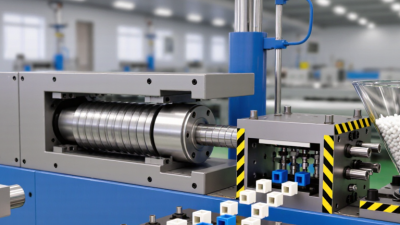
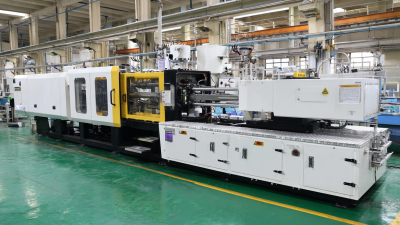
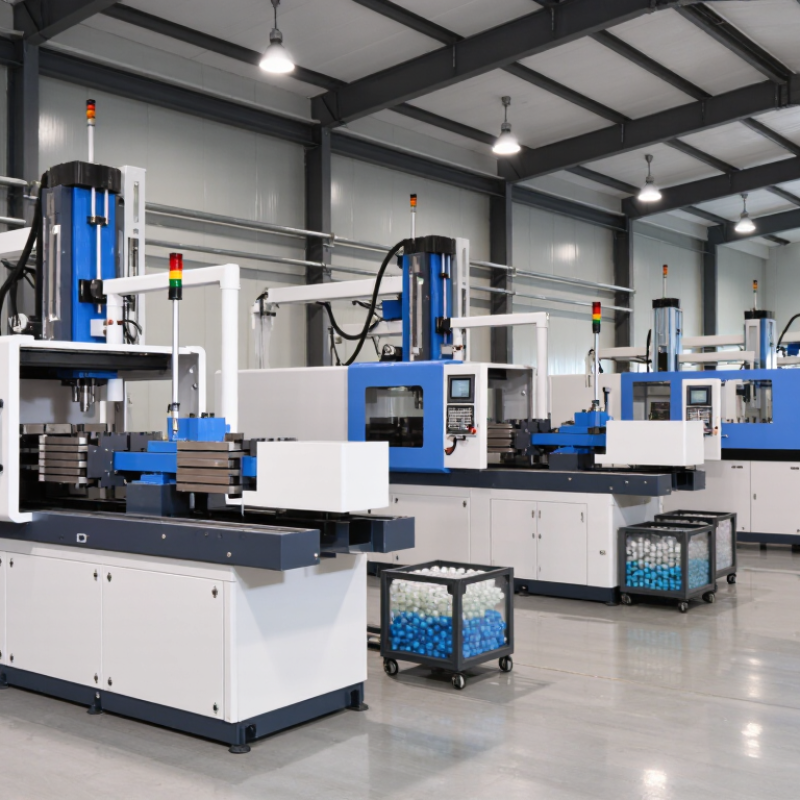
A plastic injection molding machine melts polymer material, injects it into a closed mold, and holds pressure while the part cools. Its main systems include a feed hopper, heated barrel, rotating screw, injection unit, clamping unit, and mold. The screw mixes and pushes the melt forward; the clamp keeps the mold halves tightly closed. Once the part solidifies, the mold opens and ejector pins release it. The cycle then repeats.
PlasticsEurope’s Plastics – the Fast Facts 2023 report estimates global plastics production reached 400.3 million tonnes in 2022. That figure covers plastics broadly, not just injection-molded products, but it shows the scale of material processing. Machines may use hydraulic, electric, or hybrid drives, each with trade-offs in energy use, speed, and maintenance. A tidy specification sheet can still mislead: resin behavior, mold design, and part geometry all affect performance. I would check the actual production conditions, not just the advertised clamping force.
Tips: Confirm the material, part weight, and mold dimensions before comparing machines. Ask for a trial using your resin and mold. Record cycle time and reject rate; small differences matter over thousands of cycles.
How Injection Molding Machines Differ by Type and Capacity
Choosing among the seven best plastic mold injection machines starts with the part, not the machine’s headline tonnage. Hydraulic models suit demanding, high-clamp-force work; all-electric machines offer precise, repeatable movement; hybrids combine hydraulic force with electric control. Each type has trade-offs. A fast cycle is not automatically a good cycle.
Capacity has two key measures: clamping force and shot size. Clamping force, often stated in tons, keeps the mold closed against injection pressure. Shot size describes how much molten plastic the machine can inject. A small housing may need modest force but careful dosing; a wide, thin panel may need more force to prevent flash. Check the mold’s projected area, resin, and part weight before comparing specifications.
The MarketsandMarkets Injection Molding Machine Market report estimated a global market value of $10.6 billion in 2023 and projected $12.9 billion by 2028. That growth reflects varied production needs, not one ideal machine class. For buyers, matching capacity to real parts matters more than buying extra tonnage. I have seen specifications look reassuring on paper, yet leave little room for mold changes. That deserves a second look.
Seven Plastic Injection Molding Machines Buyers Can Consider
Buyers comparing seven plastic injection molding machines should match the machine to the part, material, and production volume. Conventional hydraulic machines offer strong clamping force and broad process flexibility. All-electric models use servo-driven motions, which can support repeatable cycles and lower energy use in suitable applications. Hybrid machines combine hydraulic clamping or injection with electric drives. They can balance force and control, though maintenance needs depend on the configuration.
A vertical machine can simplify insert loading because operators place components into an open mold from above. Two-platen machines may suit larger molds where floor space is limited, but installation and mold handling need careful planning. Micro-molding machines are designed for small, precise parts; stable material drying and process control are essential. Multi-component machines inject different materials or colors in one cycle. They can reduce assembly work, but their molds and setup are more complex.
These categories can overlap, so they are not seven completely separate designs. Compare shot size, clamping force, tie-bar spacing, cycle time, and available service support against actual production requirements. Ask suppliers to run representative parts when possible. A polished sample is useful, but it does not prove stable output over a full shift. Real parts vary. Machine choice also depends on the mold, material, and operator skill, details buyers sometimes underestimate.
Key Factors for Comparing Injection Molding Machines
Comparing injection molding machines starts with the part, not the catalog headline. Estimate projected area and select clamping force with a practical safety margin. Too little can cause flash; excessive force wastes energy and may stress the mold. Check shot capacity against the part, runner, and expected cushion, rather than comparing maximum shot size alone. A machine running near its limit may produce unstable fills. Small details matter.
Compare tie-bar spacing, platen dimensions, mold-height range, and opening stroke against the actual tool drawing. Confirm the machine can accommodate planned inserts, ejector travel, and robot clearance. Review injection pressure, screw design, and plasticizing rate for the resin and target cycle; headline pressure alone says little about usable performance. Ask for repeatability data and energy use under a similar cycle, not just an unloaded demonstration. Check maintenance access and local service response, too. Specs can mislead. Record cycle time, part weight, scrap, and temperature stability during a production trial. Early estimates may need revision once the mold is running.
7 Best Plastic Mold Injection Machines for Buyers? — Key Factors for Comparing Injection Molding Machines
A practical starting point for comparing machine size is nominal clamping force. The chart shows seven commonly encountered clamp-force classes, not rankings or specifications for particular models.
Choose clamp force based on factors such as projected part area, material, mold design, and process conditions. These class values are illustrative reference points; the required capacity should be confirmed with the machine supplier for the specific application.
How to Choose a Machine for Your Production Needs
Start with the part and production plan, not the machine’s advertised tonnage. List the resin, part weight, projected area, cavity count, wall thickness, tolerances, annual demand, and planned shifts. Have a qualified process engineer calculate clamp force from projected area and cavity pressure. A rough tonnage shortcut can miss thin-wall pressure or uneven cavities. Check usable shot capacity against your material and normal shot size. Confirm screw design, plasticizing rate, tie-bar spacing, platen dimensions, and mold daylight. Measure the mold, too. It must fit.
Match cycle time to actual demand, then compare hydraulic, hybrid, and all-electric options using energy use, maintenance, and process stability. A showroom cycle may not reflect your resin, mold, or cooling setup. Run a production trial with the intended mold and material; record cycle time, scrap, and power consumption. Grand View Research’s 2024 injection molding machine market report estimated the global market at about US$10.5 billion in 2023, with projected annual growth of 4.8% through 2030. That is market context, not a sizing rule. A detailed spreadsheet helps, but it can still overlook operator access or a stubborn cooling bottleneck. Check those on the factory floor.