What Is an Injection Mold Machine?
An injection mold machine turns plastic pellets into finished components through a controlled, repeatable cycle. Pellets drop from a hopper into a heated barrel, where a rotating screw melts and moves the material forward. The screw then injects the melt into a closed mold. Under pressure, plastic fills the cavity and takes its shape. The part cools, the mold opens, and ejector pins release it. A short cycle, repeated thousands of times.
As injection molding expert John Bozzelli puts it, “The process is the product.” That principle explains why a machine’s tonnage alone cannot predict part quality. The screw, barrel, clamping unit, controls, mold, and material must work together. Operators also monitor melt temperature, injection pressure, cooling time, and cycle consistency. A small temperature shift can change how plastic flows; uneven cooling may leave a part warped or marked by sink. Details matter.
This introduction explains what an injection mold machine does, how its main units work, and what to consider when choosing one. It also distinguishes clamping force from injection capacity, two specifications that buyers sometimes confuse. Actual performance depends on the resin, part geometry, mold design, and production targets. Even a well-sized machine may need careful setup. That is easy to overlook. Understanding the machine is a useful start, but not a guarantee of good parts; process trials and measured results still matter.
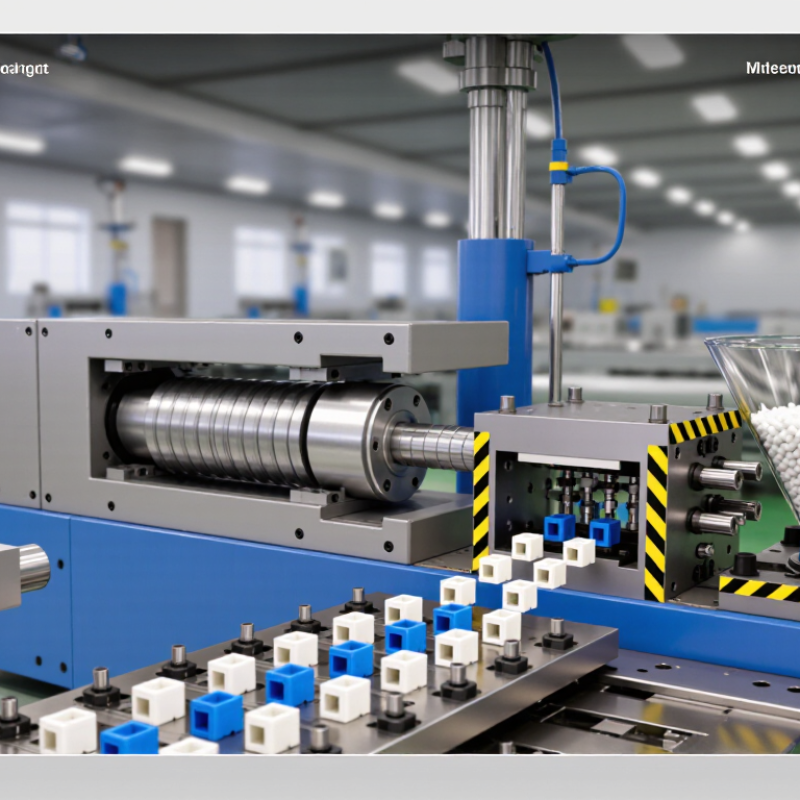
What an Injection Molding Machine Does in Plastics Manufacturing
What Is an Injection Mold Machine?
What an Injection Molding Machine Does in Plastics Manufacturing
An injection molding machine melts plastic pellets and pushes the molten material into a shaped mold. Its main sections are the injection unit, clamping unit, and mold. The injection unit heats and meters the plastic, then drives it through a nozzle. The clamping unit holds the mold halves firmly together against the pressure of filling. Inside the mold, cooled surfaces shape the plastic into a part, such as a container lid or electrical housing. Then the part is released.
The cycle repeats, but its timing matters. Operators adjust melt temperature, injection speed, holding pressure, and cooling time to suit the material and part design. Small changes matter. Too little pressure can leave thin areas incomplete; excessive heat may cause defects or longer cooling. Sensors and machine controls help track these conditions, while visual checks can reveal flash, sink marks, or uneven surfaces. A cycle chart may look tidy, yet real production often needs adjustment as the mold warms or material batches vary. The machine cannot correct every design problem, and a setting that works for one mold may fail on another. That is worth checking.
What Is an Injection Mold Machine? - What an Injection Molding Machine Does in Plastics Manufacturing
An injection molding machine melts plastic, injects it into a mold, holds the mold closed while the material cools, and ejects the finished part. Actual settings and cycle times vary with the resin, part design, mold, and machine.
| Category | Machine component or stage | What it does | Useful data or manufacturing detail |
|---|---|---|---|
| Machine structure | Injection unit | Feeds plastic pellets, melts and mixes the material, then pushes the melt through a nozzle into the mold. | The screw both plasticizes the resin as it rotates and moves forward to inject the melt. |
| Machine structure | Clamping unit | Opens and closes the mold and holds its two halves together during injection and packing. | Clamping force is commonly specified in kilonewtons (kN) or metric tonnes-force. 1 tonne-force is approximately 9.81 kN. |
| Tooling | Mold | Provides the part’s shape through a cavity and core; cooling channels help remove heat from the molded plastic. | A mold can produce one part or several parts per cycle, depending on its cavity layout. |
| Machine structure | Drive and control system | Powers machine movements and controls variables such as screw position, injection speed, pressure, and temperature. | Machines may use hydraulic, electric, or hybrid drives; the control system monitors and repeats the programmed cycle. |
| Cycle stage 1 | Plasticizing and metering | Pellets are conveyed, heated, and melted; the screw prepares a measured shot in front of it. | Shot size is the amount of material prepared for one injection, including any runner system when applicable. |
| Cycle stage 2 | Mold closing and clamping | The mold halves meet, and the clamping unit applies force to resist the pressure generated during filling. | The required clamp force depends on projected part area, cavity pressure, and mold design. |
| Cycle stage 3 | Injection and filling | The screw advances and forces molten plastic through the nozzle and runners into the mold cavity. | Injection speed and pressure are set for the material and part; excessive pressure can contribute to flash or part defects. |
| Cycle stage 4 | Packing and holding | Additional pressure feeds material into the cavity as the plastic cools and shrinks. | Holding pressure is generally set below peak injection pressure and maintained until the gate freezes. |
| Cycle stage 5 | Cooling and mold opening | The part cools until it is rigid enough to be removed; the clamping unit then opens the mold. | Cooling often accounts for a substantial share of cycle time, but the actual time depends on part thickness, resin, and mold cooling. |
| Cycle stage 6 | Ejection and cycle repeat | Ejector pins or another ejection system release the part; the mold closes for the next cycle. | A completed cycle produces the parts from all active mold cavities, plus runners if the mold uses them. |
Related Posts
-
7 Best Injection Mold Machines for Global Buyers
-
Top 10 Plastic Mold Injection Machines to Watch in 2025
-
What is Plastic Mold Injection Machine? A Comprehensive Guide to Its Types and Applications
-
Top 10 Plastic Mold Injection Machine Solutions for Your Manufacturing Needs
-
What is an Injection Mold Machine and How Does it Work?
-
Why Choose a Plastic Injection Machine for Your Business?