10 Best Mold Manufacturing Companies in 2026
Selecting a partner for mold manufacturing can shape a product’s cost, quality, and launch schedule. A mold may look simple in a rendering, yet small choices in steel, cooling channels, and machining tolerances affect every production run. This guide introduces 10 companies to consider in 2026, with attention to their capabilities, industries served, and approach to customer projects. The right fit depends on the part, not just the company’s reputation.
Useful comparisons go beyond a polished website. Ask about similar projects, design-for-manufacturing support, inspection methods, maintenance, and expected lead times. Request clear details on sample approval and how changes are handled. A supplier’s answers can reveal more than a sales brochure. No shortlist is perfect. Company capabilities and availability may change, and a strong provider for high-volume automotive parts may not suit a small medical-device program. That distinction deserves a closer look.
The companies in this article are starting points for careful research, not automatic endorsements. Verify current services, equipment, certifications, and references directly with each provider. Share drawings and material requirements securely, then compare quotes on the same scope. A low initial price can hide extra revisions or delayed support. The best choice is usually the one that communicates clearly, explains trade-offs, and can demonstrate relevant experience. Even then, production always brings surprises. A thoughtful review can help you spot them earlier.
Understanding Mold Manufacturing and Its Main Markets
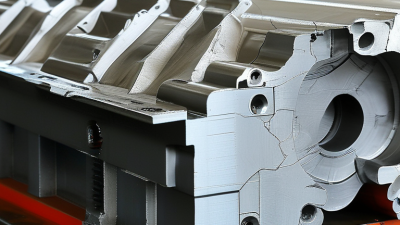
Mold manufacturing turns a product design into a repeatable production tool. In injection molding, a mold shapes heated plastic inside a carefully machined cavity. Toolmakers consider part geometry, material shrinkage, cooling channels, and how the finished piece will release. Small choices matter. A poorly placed gate can leave visible marks, while uneven cooling may cause warping. Mold maintenance also affects consistency over long production runs.
The main markets reflect where large numbers of identical parts are needed. Automotive suppliers use molds for interior trim, housings, and clips. Packaging producers make caps, containers, and thin-walled components. Electronics manufacturers need precise enclosures and connectors, while medical products often require close control of dimensions and surface finish. Die-casting tools serve different applications, forming metal components under pressure. Each market brings its own balance of volume, accuracy, material, and cost.
Choosing a manufacturer is not only about the quoted tool price. Buyers should ask about design reviews, sampling plans, repair support, and experience with the intended material. A mold that runs smoothly in a trial may still need adjustment on a busy production floor. That part gets overlooked. Rankings can help start research, but they cannot show every workshop’s communication or problem-solving habits. Even a detailed specification leaves room for judgment.
Criteria for Evaluating Mold Manufacturers in 2026
When evaluating mold manufacturers in 2026, look beyond the quoted price.
A capable supplier should explain how part geometry, resin choice, and expected production volume shape the mold design.
Ask for evidence, not broad promises.
Review sample inspection reports, dimensional results, and documented trials from comparable projects.
A consistent process matters more than a polished presentation.
Check engineering depth before approving a design.
Can the team identify thin walls, trapped air, or cooling problems before steel is cut?
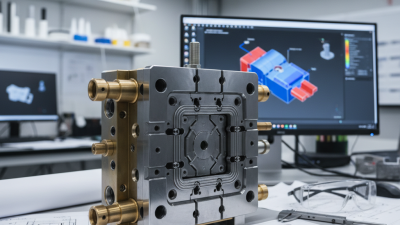
Ask how it validates those concerns, such as through design reviews or molding simulations.
Confirm the proposed steel, surface finish, and tolerance plan match your part’s actual needs.
Over-specifying can add cost without improving performance.
Under-specifying can create rework.
Production readiness deserves equal attention.
Request a realistic schedule that separates design, machining, sampling, and corrections.
Clarify who handles mold maintenance and how spare components are tracked.
Communication is a practical test: do answers include clear measurements, owners, and dates?
A low estimate may omit useful services, while a higher one may include them. Compare line items carefully.
I would also ask for a reference, though one successful project cannot predict every future outcome.
Profiles of Ten Leading Mold Manufacturing Companies
The ten profiles below highlight different strengths found among leading mold manufacturers in 2026. They are capability-based examples, not a verified ranking. One company specializes in high-volume injection molds, using carefully balanced cooling channels to shorten cycle times. Another focuses on precision tooling for small components, where a fraction of a millimeter can affect assembly. A third offers rapid prototyping and low-volume molds for teams testing new designs. A fourth builds large molds for automotive and appliance parts. A fifth is known for complex multi-cavity tools. A sixth supports overmolding and insert molding. A seventh emphasizes durable tooling for long production runs. An eighth serves packaging projects that demand fast cycles. A ninth integrates mold design with part production. A tenth focuses on repair, maintenance, and tool upgrades. Different needs. Different strengths.
Tips: Compare more than quoted price. Ask for mold-flow analysis, steel specifications, sample-part inspection records, and a clear maintenance plan. Request references for similar part sizes and materials. A polished sample helps, but it does not prove long-term consistency. Check the details twice.
These profiles show why “best” depends on the project. A supplier with advanced machining may not be the right fit for a simple, cost-sensitive tool. Look closely at communication, design feedback, and documented quality checks. One imperfect detail matters: timelines can change when designs change, so confirm how revisions are handled before production begins.
Comparing Their Technologies, Industries, and Capabilities
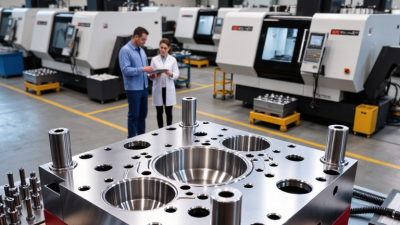
A useful comparison of mold manufacturers starts with the work their technologies can actually support. CNC machining suits accurate cavities and repeatable features, while electrical discharge machining can reach narrow details that cutters may miss. Some facilities use additive manufacturing for conformal cooling channels or prototype inserts. Others rely on established machining methods, which can be easier to maintain and validate. More technology does not automatically mean better results.
Industries also shape each company’s capabilities. Automotive programs may need large tools, durable construction, and coordinated production schedules. Medical and electronics projects often demand tight tolerances, traceable materials, and careful inspection. Packaging work may prioritize fast cycles and high-volume consistency. Ask how a manufacturer measures tool wear, checks first articles, and handles design changes—not just which machines it owns. The sample parts matter. So does the process documentation.
Comparisons can be imperfect. Public capability lists rarely show how a team responds when a mold needs adjustment after testing. A polished facility tour cannot reveal every production constraint. Request relevant case studies, clarify expected maintenance support, and compare quoted lead times against the project’s actual complexity. The lowest price may leave important assumptions unstated. A practical shortlist weighs process fit, quality controls, communication, and proven experience in the intended industry.
Mold Manufacturing in 2026: Tooling Material Density
Common mold and tooling materials vary in density, affecting tool weight and material selection. Values shown are typical approximate densities; exact values vary by grade and composition.
Factors to Consider When Choosing a Mold Manufacturing Partner
Choosing a mold manufacturing partner takes more than comparing quoted prices. Start with the part itself: its resin, wall thickness, surface finish, expected production volume, and critical dimensions. Ask how the supplier will manage features such as thin ribs or deep cores, where filling and cooling problems can emerge. Specific answers are more useful than broad claims. Details matter.
Review the partner’s engineering process and quality controls. Can the team assess draft angles, gate locations, and cooling-channel layout before cutting steel? Ask how dimensions are checked, how inspection results are recorded, and what happens when a trial part falls outside tolerance. A sample run can reveal issues that drawings cannot, including warping, sink marks, or difficult ejection. Still, one successful sample does not guarantee stable production.
Compare the full working relationship, not just the initial tool cost. Clarify lead times, revision fees, mold maintenance, spare components, and response expectations after delivery. Ask who owns design changes and how they are documented. Communication can be tested early: provide a drawing and note how clearly the supplier explains risks. It is tempting to choose the fastest quote. That judgment may need revisiting when a small design change affects tooling, schedule, and future repairs.