Selecting the right plastic injection mold manufacturer can shape a product’s quality, launch date, and long-term cost. For global buyers, a polished website is not enough. Supplier capability must be checked through evidence, production records, and clear communication.
This guide examines leading manufacturers through practical purchasing criteria. These include mold design expertise, steel selection, machining accuracy, cooling performance, and trial-run results. Experienced suppliers should explain tolerances, expected cycle life, maintenance needs, and spare-part planning. They should also provide material certificates and maintain traceable quality records. Small details matter. A well-balanced cooling channel can reduce warping around a thin phone cover. A poorly designed ejector system may leave marks on every part.
Reliable manufacturers often support DFM reviews, prototype testing, inspection reports, and controlled design changes. Certifications such as ISO 9001 can strengthen confidence, but certificates alone cannot prove consistent workmanship. Buyers should request recent samples, customer references, and realistic delivery schedules. Factory audits, even through video calls, may reveal storage conditions, inspection equipment, and production discipline. Not every supplier will fit every project. Some offer excellent precision but limited communication across time zones. Others provide competitive pricing while underestimating tooling maintenance.
A careful comparison should consider total value rather than the lowest quotation. Freight, revisions, testing, taxes, and future repairs can change the final cost. This overview aims to help purchasing teams make informed decisions with measurable questions and reasonable expectations. Mistakes still happen. The real test is how openly a manufacturer identifies problems and corrects them.
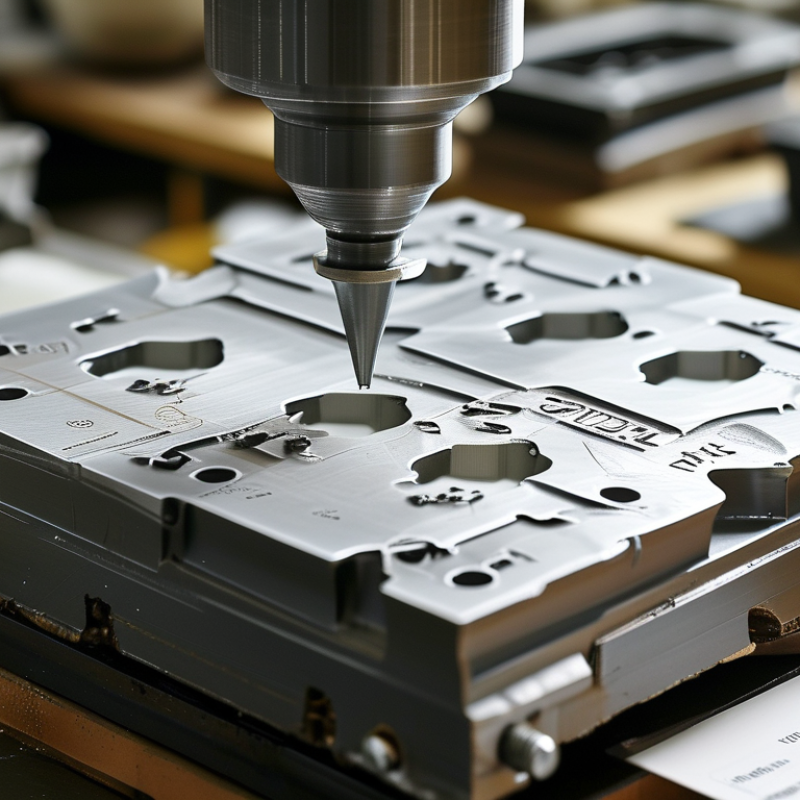
A leading plastic injection mold manufacturer combines practical experience with disciplined engineering. It studies the product before cutting steel. Engineers review wall thickness, draft angles, shrinkage, and likely weld lines. They also consider the resin’s flow behavior and production volume. Small details matter.
Reliable manufacturers use suitable mold steel, controlled heat treatment, and precise machining equipment. Their process includes mold flow analysis, dimensional inspection, polishing, and trial shots. During testing, technicians check flash, sink marks, warpage, cycle time, and ejection performance. Inspection reports should connect measurements with clear tolerances. Traceability matters when a tool needs repair years later.
Communication reveals another important difference. A dependable team shares design concerns early, explains compromises, and responds with measurable actions. It should provide maintenance schedules, spare-part guidance, and documented safety requirements. Experience helps, but experience alone is not enough. No supplier is flawless. Even a careful review may miss a difficult cooling area or an unusual molding defect. The stronger manufacturer admits the issue, investigates its cause, and improves the process instead of hiding it. Production records, sample approvals, and consistent quality checks give global buyers practical confidence. Different regions may also require specific technical documents, packaging controls, and delivery records. A manufacturer that manages these details reduces delays without making unrealistic promises.
Global buyers should compare mold suppliers by measurable capability, not attractive catalogs. Plastics Europe reported global plastics production of 413.8 million tonnes in 2023. That scale increases pressure on tooling reliability, cycle time, and material efficiency. Ask suppliers for steel certificates, hardness records, dimensional inspection reports, and documented mold-life estimates.
Precision matters. A capable supplier should explain its tolerance strategy for gates, slides, ejector pins, and cooling channels. Mold-flow analysis can reveal weld lines and uneven shrinkage before steel is cut. Request sample parts from comparable materials and geometries. A polished cavity may look impressive, but poor cooling can still create long cycles and warpage. The International Energy Agency identifies industrial energy efficiency as a major emissions-reduction opportunity, making cooling design worth serious review.
Quality systems also separate experienced suppliers from hopeful ones. Check calibration intervals, corrective-action records, traceability, and first-article approval procedures. ISO’s 2023 Survey recorded more than one million ISO 9001 certificates worldwide, but certification alone proves little about practical mold control. Review the actual inspection plan. Ask who owns design changes, and how revisions are logged.
Capacity needs scrutiny. A supplier may promise ten thousand cycles, yet maintenance access could be weak. Confirm spare-part availability, preventive-maintenance schedules, trial-shot procedures, and after-sales response times. Include packaging and export documentation in the comparison. I have seen projects delayed by unclear responsibility, not difficult machining. That is an uncomfortable lesson. Suppliers should also admit limitations, because confident promises without evidence deserve another question.
China remains the largest manufacturing hub for injection molds, supported by dense machining clusters, steel suppliers, and export infrastructure. Trade Map data from the International Trade Centre shows China among the leading exporters of molds for rubber and plastics. Guangdong, Zhejiang, and Jiangsu offer broad supplier networks, from prototype tooling to high-volume automotive molds. Lead times can be competitive. Quality control still varies between workshops.
Germany, Italy, Japan, and South Korea remain important centers for complex and high-precision tooling. Their strengths include hardened steel processing, hot-runner integration, mold-flow analysis, and strict dimensional inspection. A 2024 Grand View Research report valued the global injection molding machine market at more than USD 18 billion in 2023, reflecting continued demand for production-ready tooling. However, machine demand does not equal mold-making capacity. Buyers should review actual tool samples, inspection reports, and maintenance records.
North America adds another practical hub. The United States and Mexico support automotive, medical, electronics, and packaging supply chains. Mexico can reduce logistics distance for regional buyers, while the United States offers strong engineering and validation services. European buyers also consider the Czech Republic, Poland, and Türkiye for shorter delivery routes. The map is not perfectly clean. Lower price may hide weaker steel grades, unclear tolerances, or limited after-sales support. A reliable sourcing decision compares total cost, cavity design, trial-shot evidence, and replacement-part access.
Global buyers evaluate mold manufacturers through evidence, not polished promises. Quality begins with steel selection, heat treatment, and dimensional control. A mold made from unsuitable steel may look precise initially. It can still wear quickly under abrasive resin or high-volume cycling. Experienced suppliers record cavity measurements, hardness results, and correction history. These records make quality easier to verify across borders.
Material knowledge matters because every resin behaves differently. Glass-filled polymers increase abrasion and may demand hardened inserts. Soft engineering plastics can expose polishing flaws on visible surfaces. A capable manufacturer reviews shrinkage, cooling behavior, weld lines, and expected part life before machining. Mold-flow analysis can reveal trapped air or uneven filling. It is useful, but not infallible. Real trial data should challenge the simulation.
Modern production depends on CNC machining, EDM, precise inspection, and controlled assembly. Coordinate measuring machines verify critical dimensions against approved drawings. Sensors and documented process checks reduce variation between production lots. Buyers should also examine traceability, maintenance plans, sampling methods, and corrective-action procedures. International standards can support consistency, yet a certificate alone proves little. Factory discipline shows in clean toolrooms, calibrated instruments, and operators who question unusual results. Some defects appear only after repeated cycles. That is where a rushed approval can become an expensive lesson.
Selecting the right plastic injection mold manufacturer starts with evidence, not attractive promises. Global buyers should review the supplier’s experience with similar parts, resin types, mold sizes, and production volumes. Ask for sample inspection reports, dimensional records, and maintenance procedures. A serious manufacturer can explain steel selection, cooling design, shrinkage control, and expected mold life in practical terms.
The quotation should show more than a total price. Check tooling scope, trial shots, spare components, delivery milestones, and correction responsibilities. Confirm whether the manufacturer can communicate clearly across time zones. Technical drawings, revision control, and secure file handling also matter. A low-cost mold may create higher expenses through flash, uneven filling, or frequent repairs.
No supplier is perfect. During one evaluation, a technically strong factory had weak progress reporting, which created avoidable uncertainty. That issue did not automatically disqualify the supplier, but it required written reporting duties and inspection checkpoints. Buyers should also leave room for design changes. Product assumptions can fail after the first trial, especially when appearance, warpage, or cycle time becomes more important than expected. A dependable partnership allows honest review without hiding these imperfections.