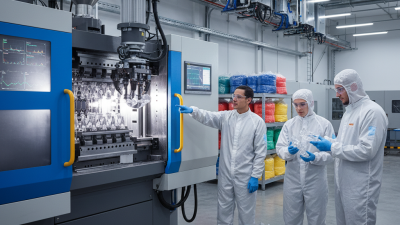
Top 10 Plastic Injection Mold Making Companies

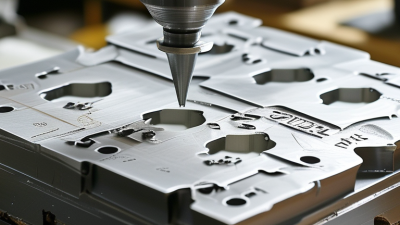
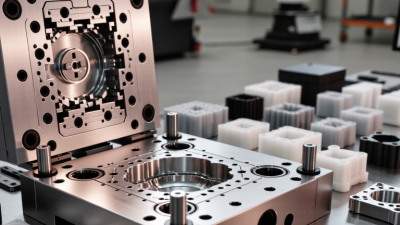
Selecting a partner from the Top 10 Plastic Injection Mold Making Companies can shape a product’s cost, quality, and launch schedule. Plastic injection mold making involves more than cutting steel. It requires careful design, material knowledge, machining accuracy, and repeated testing. A polished mold surface, well-positioned cooling channels, and properly fitted components can affect both appearance and cycle time.

This overview introduces companies that serve different production needs, from early prototypes to high-volume manufacturing. It considers practical factors such as engineering support, mold construction, quality checks, communication, and after-sales service. Ask how a supplier handles design changes, documents trial results, and responds when a first sample falls short. Those details matter. A clear process is reassuring, but it cannot guarantee a flawless project. Even experienced teams may encounter delays or need another tooling adjustment.

The right choice depends on the part, production volume, budget, and required finish. A supplier suited to a small, detailed component may not be ideal for a large production program. Readers should verify capabilities directly and compare quotes using the same specifications. That takes time. It is still worthwhile. A thoughtful comparison can help buyers ask better questions and avoid choosing on price alone.
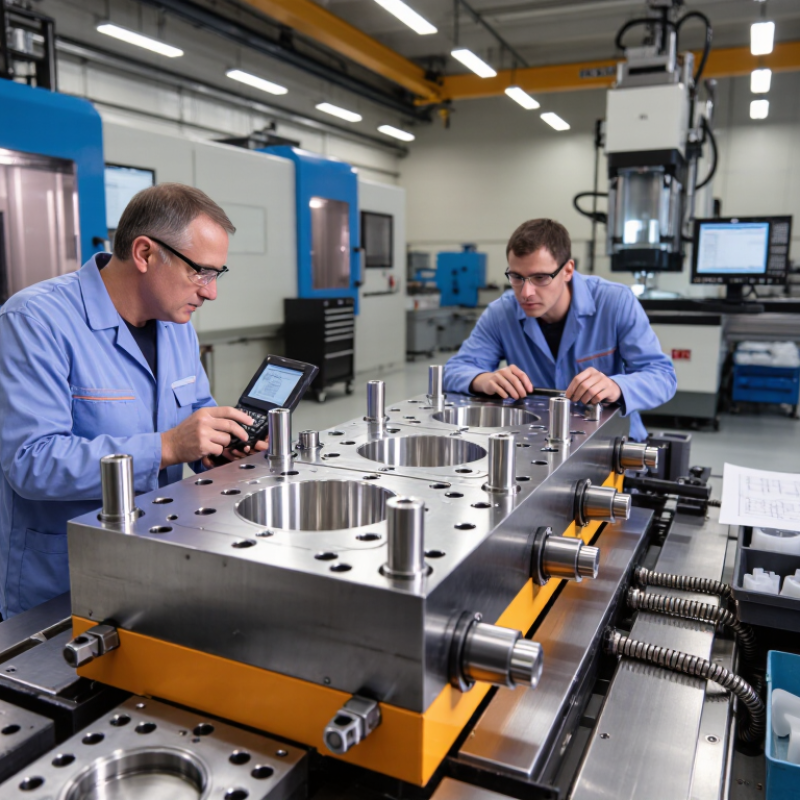
Top 10 Plastic Injection Mold Making Companies

How Plastic Injection Mold Making Supports Product Manufacturing

Plastic injection mold making turns a product design into a repeatable production tool. A precisely machined cavity controls shape, surface finish, and critical dimensions across many production cycles. That consistency matters when housings, connectors, or medical-device components must fit without hand adjustment. It can also reduce assembly time and scrap. Small details matter. Gate placement, cooling channels, and venting all affect filling, warpage, and cycle time. An early design review can catch risks before costly steel is cut.

The market scale reflects this role. Grand View Research valued the global injection-molded plastics market at USD 330.5 billion in 2023. Its 2024 market report projected 4.8% annual growth from 2024 through 2030. This estimate covers the broad plastics market, not mold tooling alone. For manufacturers, well-designed tooling supports consistent output, efficient material use, and scale-up from pilot runs. Yet complex molds can raise upfront costs and extend lead times. A late design change may force rework. That trade-off deserves honest planning. When choosing a mold maker, teams should review sample parts, validation records, maintenance plans, and communication practices—not just quoted cycle times. Trial runs still matter.

Criteria for Evaluating Leading Mold Making Companies

A capable mold-making company should show how it controls accuracy, not merely promise tight tolerances. Ask for sample inspection reports, cavity measurements, and documented checks during machining and final assembly. Details matter. For a complex part, review how engineers assess wall thickness, draft angles, gate location, and likely shrinkage before cutting steel. These choices affect cycle time, surface finish, and whether parts release cleanly. A useful supplier can explain trade-offs in plain language and flag design risks early.

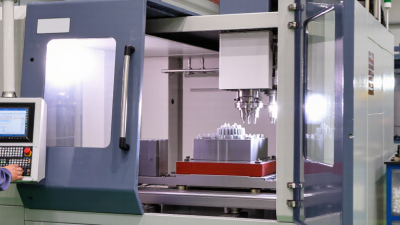
Equipment and material expertise also deserve close review. Confirm that the shop has suitable machining, polishing, and measurement tools for the mold’s size and expected production volume. Ask how it selects tool steel, manages cooling channels, and records maintenance or repairs. Past work in a similar application is helpful, but it is not proof by itself. Not always obvious. Compare realistic lead times, revision procedures, and support after delivery; vague answers can become costly delays. Price matters, yet an unusually low quote may omit sampling, validation, or spare components. Request a clear scope, defined acceptance criteria, and regular progress updates.

Top 10 Plastic Injection Mold Making Companies - Criteria for Evaluating Leading Mold Making Companies

Evaluation framework, not a verified ranking of specific companies. The weights below are suggested evaluation weights; assess each supplier using comparable, documented evidence.

No. Evaluation criterion Suggested weight Evidence to request or verify Why it matters
1 Relevant mold-making experience 15% Comparable completed projects, part complexity, mold type, and customer references where disclosure is permitted. Experience with similar parts and production requirements can reduce design and manufacturing risk.
2 Engineering and DFM capability 12% Documented design-for-manufacturing reviews, mold-flow analysis when appropriate, and documented design revisions. Early review can identify filling, cooling, warpage, and ejection concerns before tooling is built.
3 Manufacturing equipment and capacity 10% Equipment list, machining envelope, inspection resources, current capacity, and any qualified subcontracted processes. Capacity and process suitability affect achievable mold size, precision, and delivery planning.
4 Tool steel and component traceability 8% Steel and component specifications, material certificates where applicable, and mold-component records. Traceable materials support maintenance, repair, and verification of specified mold construction.
5 Quality management and inspection 12% Quality procedures, calibration records, dimensional inspection reports, nonconformance handling, and relevant certificates verified with the issuing body. Consistent inspection and corrective-action processes help ensure requirements are checked and documented.
6 Sampling and validation process 10% Mold trial plan, sample inspection reports, issue logs, and a defined process for approval and revisions. Structured trials provide evidence that the mold can produce parts against agreed requirements.
7 Delivery planning and schedule control 10% Milestone schedule, progress-report frequency, risk escalation process, and documented performance on comparable projects. Clear milestones and communication make delays easier to identify and manage.
8 Cost transparency and total cost 8% Itemized quotation, stated assumptions, exclusions, change-order terms, maintenance costs, and ownership terms. A transparent quotation helps compare the full cost of tooling and support, not just the initial price.
9 Communication and project management 7% Named project contacts, response expectations, meeting cadence, and records of decisions and actions. Reliable information flow supports timely technical decisions and change control.
10 After-sales support and mold maintenance 8% Warranty terms, maintenance documentation, spare-parts availability, repair response process, and support coverage. Accessible support and maintenance information help manage tool condition throughout its service life.
Total suggested weight 100% Score suppliers against the same requirements and evidence standard.

Profiles of Ten Plastic Injection Mold Making Companies

The ten profiles below compare common mold-making business models, not audited rankings of named firms. Company One focuses on high-cavitation household parts, balancing cycle time against cooling consistency. Company Two builds precision tools for medical housings and documents resin lots, dimensions, and inspection steps. Company Three serves automotive programs, where tool trials must check sink marks and fit across large panels. Company Four handles prototype and bridge tooling, helping teams test geometry before committing to hardened steel. Trade-offs remain.

Company Five specializes in two-shot molding, coordinating material compatibility with gate placement. Company Six makes insert molds for threaded brass components; operator loading can affect repeatability. Company Seven targets thin-wall packaging and tunes venting to reduce short shots. Company Eight offers mold maintenance, polishing worn shutoffs and replacing damaged pins. Small defects matter.

Company Nine supports engineering plastics, where moisture control and shrink-rate data shape tool design. Company Ten works on large molds, requiring careful crane access, alignment, and cooling-channel checks. A useful profile should state machine range, mold-size limits, sampling capacity, and ownership of design changes. Ask for recent trial records and a sample inspection report. A polished portfolio helps, but it cannot replace clear process evidence.

Comparison of Company Capabilities, Industries, and Services

Comparing the top ten plastic injection mold makers means looking beyond quoted tool prices. Check whether each supplier designs, machines, samples, and maintains molds in-house. These capabilities affect lead times and troubleshooting. Ask for details: cavity count, tool steel, expected shot life, and sample inspection records. A polished capability sheet is not proof. Request evidence from a comparable project.

Grand View Research estimated the global injection molded plastics market at USD 284.7 billion in 2023, with projected annual growth of 4.8% through 2030. That broad demand spans automotive, medical, packaging, and consumer products; it does not guarantee equal expertise across sectors. Compare services such as resin selection, mold-flow analysis, insert molding, and production validation against your actual part. A supplier serving medical applications may offer tighter traceability, while an automotive specialist may be more practiced with large, complex tools. Ask how they control warpage and flash on your geometry. Small details matter. Price tables rarely capture them. And honestly, supplier comparisons can stay imperfect when process data is confidential. Request measurable acceptance criteria before choosing.

Factors to Consider When Selecting a Mold Making Partner

A mold is not just a cavity cut into steel. Grand View Research’s 2024 market report valued the global injection-molded plastics market at about US$330 billion in 2023. That scale makes supplier selection a technical decision, not just a price comparison. Ask how the team turns drawings into cooling channels, vents, and ejector layouts. Small details matter.

Request a documented design review, mold-flow findings, tolerance plan, steel specification, and trial schedule. Ask who handles corrective actions when early parts show sink, flash, or short fills. ISO’s 2022 Survey counted about 1.26 million ISO 9001 certificates across 189 countries. A certificate supports process discipline; it does not prove mold-specific skill. Check its scope, then review sample inspection reports and maintenance records.

Compare total cost, including tool life, cycle time, spare inserts, and repair response. Request references for similar resins, part sizes, and production volumes, not just attractive samples. Ask to see a trial part made under measured conditions. This check can feel tedious. It is still worth doing. One polished sample can hide unstable processing, so a single successful shot should not settle the decision.

Top 10 Plastic Injection Mold Making Companies: Factors to Consider When Selecting a Mold Making Partner

SPI mold classifications and stated shot-life thresholds

SPI classifications describe a mold’s intended production life: Class 101 is rated for at least 1 million cycles, while Classes 102–105 have progressively lower stated limits. These figures are classification thresholds, not guaranteed service life. When evaluating a mold-making partner, confirm the required class, expected production volume, maintenance plan, and warranty terms.

Reference: SPI mold classification guidelines. Values shown are shot counts.

NEW JERSEY

Location

Union Tool & Mold is a mold making, repair and plastic injection molding company located in central New Jersey.
(973) 763-6611

220 Rutgers St, Maplewood, NJ 07040
ACCREDITED

Certified Company


SOCIAL PROFILE

Let’s Connect

We invite you to engage with us on LinkedIn, where you can stay updated on our latest news, insights, and professional opportunities.