10 Essential Tips for Mastering the Plastic Injection Moulding Process?
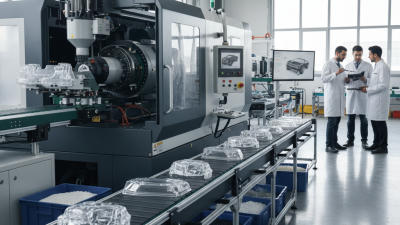
The plastic injection moulding process is a vital manufacturing technique used worldwide. According to expert Dr. Linda Hartman, "Mastering the plastic injection moulding process can significantly enhance product quality and efficiency." Her insights highlight the dedication needed to excel in this industry.
Understanding the nuances of this process is crucial. Each step, from material selection to cooling, impacts the final product. It's easy to overlook small details that lead to defects, such as improper temperature settings or insufficient cycle times. Many struggle with achieving the perfect balance, which can result in delays or defects.
Learning from industry leaders is beneficial. Their experiences reveal the common pitfalls in the plastic injection moulding process. Analyzing these challenges encourages reflection and growth. A focus on continuous improvement can transform results, fostering a culture of excellence in manufacturing.
Understanding the Basics of Plastic Injection Moulding and Its Advantages
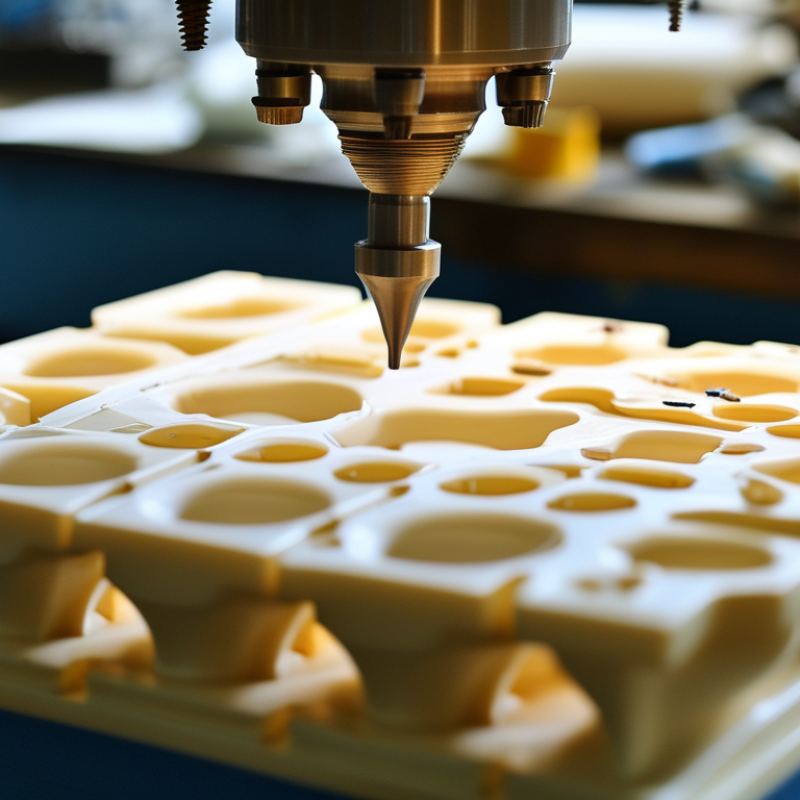
Plastic injection moulding is a highly efficient process used to manufacture components across various industries. Understanding its basics is crucial for anyone involved in production. This method involves injecting molten plastic into a mould. Once cooled, it forms the desired shape. According to industry reports, this process accounts for over 30% of all plastic products made globally.
The advantages of plastic injection moulding are substantial. It allows for rapid production and high precision. Manufacturers can produce complex shapes that would be difficult using other methods. Additionally, it minimizes waste, as excess material can be reused. A report by the Plastic Industry Association states that injection moulding has a lower production cost per unit, especially when large volumes are involved.
To master this technique, consider these tips: Always ensure proper ventilation during production. This enhances safety and complies with health regulations. Additionally, regularly check equipment and temperature settings. Control over these details can greatly influence the quality of the final product. Lastly, don’t underestimate the importance of choosing the right type of plastic. Each material has unique properties that can affect strength and flexibility. Neglecting this can lead to unsatisfactory outcomes.
10 Essential Tips for Mastering the Plastic Injection Moulding Process
| Tip Number |
Tip |
Description |
Advantages |
| 1 |
Understand Material Properties |
Know the characteristics of the plastic materials you are working with. |
Improves product quality and reduces waste. |
| 2 |
Optimize Mould Design |
Create efficient moulds that facilitate easy flow of material. |
Enhances cycle time and overall efficiency. |
| 3 |
Control Temperature |
Maintain the right temperature levels during processing. |
Prevents defects and improves product strength. |
| 4 |
Monitor Pressure Levels |
Ensure adequate pressure for injection without overloading. |
Reduces the risk of flash and improves surface finish. |
| 5 |
Manage Cooling Time |
Optimize the cooling phase to prevent warping. |
Enhances cycle time and product stability. |
| 6 |
Choose the Right Injection Speed |
Adjust the speed of the injection to suit the material and mould. |
Improves finish and reduces defects. |
| 7 |
Perform Regular Maintenance |
Keep machinery and moulds in optimal condition. |
Reduces downtime and extends equipment life. |
| 8 |
Train Your Operators |
Ensure all operators are well-versed in processes and safety. |
Minimizes errors and increases productivity. |
| 9 |
Testing and Prototyping |
Undertake sample testing before mass production. |
Identifies issues early and allows for adjustments. |
| 10 |
Utilize Software Tools |
Employ CAD and simulation software to optimize designs. |
Facilitates accurate and efficient design processes. |
Key Variables in the Plastic Injection Moulding Process: Temperature and Pressure
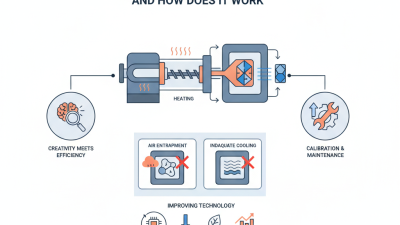
Temperature and pressure are critical variables in the plastic injection moulding process. Maintaining optimal conditions is pivotal for achieving high-quality results. According to industry reports, processing temperatures typically range between 180°C to 250°C. Deviating from this range can lead to poor material flow or degradation, affecting the final product quality.
Pressure also plays a significant role. Injection pressures commonly vary from 500 to 1500 bar, depending on the material and design complexity. Incorrect pressure settings can result in defects like short shots, sink marks, or warpage. Effective monitoring of both parameters can improve consistency. However, many manufacturers overlook the effects of ambient conditions. For instance, humidity can impact materials, making precise control even more essential.
Operators often face challenges with equipment calibration and material variability. Ensuring accurate temperature and pressure readings requires ongoing maintenance and testing. Additionally, some processes may demand special attention to cooling rates, as these influence cycle times and dimensional stability. Adopting best practices in monitoring these variables can drive efficiency, but it requires a commitment to ongoing training and process evaluations.
Material Selection: Choosing the Right Plastics for Injection Moulding
Selecting the right plastics for injection moulding is crucial. A study by the Plastics Industry Association found that material choice affects about 60% of production efficiency.
Polypropylene, for example, is favored for its low cost and good mechanical properties. However, it may not be ideal for high-temperature applications. Companies must weigh benefits against drawbacks.
Thermoplastics, like ABS and Nylon, are commonly used. ABS combines strength and flexibility, while Nylon offers excellent abrasion resistance. However, both can present challenges in processing. Improper temperature control can lead to warping or inadequate filling. It's essential to evaluate the specific needs of the product.
While selecting materials, consideration of environmental impact is growing. Bioplastics are gaining attention, accounting for an estimated 2% of global plastic production. They offer sustainable alternatives, but processing properties may not match traditional plastics. Manufacturers must adapt their techniques, emphasizing the need for ongoing research and development in material science.
Optimizing Cycle Time: Best Practices for Efficiency in Production
Optimizing cycle time is critical in the plastic injection moulding process. The right adjustments can increase efficiency significantly. Studies show that reducing cycle time by just 10% can enhance productivity by up to 20%. This statistic underscores the importance of precise control over each step.
Understanding temperature management is vital. Maintaining optimal melt temperature can prevent defects and improve cycle times. A recent report from industry experts indicates that improper temperature control delays production and increases costs by 15%. Simple adjustments to heater bands can yield quicker cycles.
Machine setup remains a common area for improvement. Operators often overlook the significance of tooling precision. Inaccuracies can extend cycle times and result in waste. Regular maintenance of moulds is essential, as dirty or worn tools can negatively impact production rates. Reflecting on these areas reveals opportunities for greater efficiency and reliability in the injection moulding workflow.
Cycle Time Optimization in Plastic Injection Moulding
Quality Control Measures: Ensuring Precision and Reducing Defects in Moulding
In the realm of plastic injection moulding, quality control is crucial. Research indicates that nearly 22% of moulding defects arise from inadequate quality measures. To combat this, implementing a robust quality control system can significantly enhance precision. Continuous monitoring during the moulding process can catch discrepancies early, reducing the production of defective parts.
One effective strategy is to conduct regular inspections at various stages. The Society of Plastics Engineers recommends a scale for evaluating tolerances in moulds. Utilizing this scale can help identify deviations. Moreover, employing real-time data analytics for monitoring key parameters like temperature and pressure can foster immediate corrective actions. Companies report up to a 30% reduction in defects with these measures.
Despite these advances, challenges remain. For instance, environmental factors such as humidity can affect material properties. Mould designs may also contribute to inconsistencies. Addressing these issues requires a dynamic approach and constant re-evaluation of processes. By focusing on quality control, manufacturers can enhance their output while minimizing waste.