China Top Molding Tool Manufacturers for Global Buyers
Choosing a molding tool manufacturer in China is not simply a search for the lowest quotation. Global buyers must match a supplier’s engineering depth, tooling capacity, quality controls, and communication habits to the part and production volume. A precise fit matters. A mold for a small, thin-walled component may need different cooling channels and maintenance planning than a large automotive housing. This overview introduces practical checks buyers can make before requesting samples or approving a tool build.
It covers design-for-manufacturing reviews, CAD data handling, CNC and EDM capability, steel selection, mold trials, and inspection records. Ask how the team tracks dimensional changes, manages revisions, and responds when a first-shot sample misses a critical tolerance. Request evidence that fits the project, such as measured reports, trial notes, and clear acceptance criteria. Certificates can be useful, but buyers should verify their scope, validity, and relevance instead of relying on a logo alone. When available, a video walkthrough or independent audit can add context to a supplier’s claims.
Price still matters, but it tells only part of the story. Compare tooling cost with expected cycle time, tool life, spare inserts, repair response, and shipping requirements. Discuss export packaging, delivery milestones, and ownership terms before work begins. These details are easy to overlook. Shop-floor conditions change. No checklist is perfect, and this guide cannot replace a factory audit. Use it as a starting point, then confirm critical claims directly with each manufacturer and document agreed specifications.
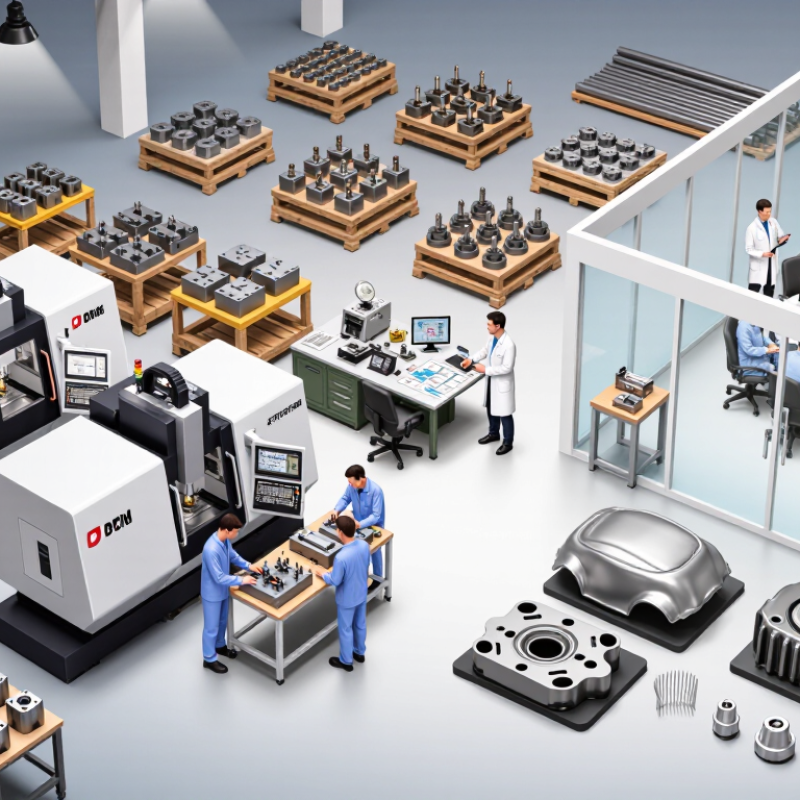
Understanding China’s Molding Tool Manufacturing Industry
China’s molding tool industry serves sectors such as automotive, home appliances, medical devices, and consumer electronics. Its strength comes from dense supply chains, experienced toolmakers, and access to machining, heat treatment, and surface finishing. Factories often work with steel blocks, CNC milling machines, and electrical discharge machining to create precise cavities. Many suppliers handle both mold design and production, which can shorten communication loops. Some workshops, however, rely heavily on a few key technicians. Fast turnaround is possible. But capacity varies. A polished website tells little.
For global buyers, evaluating a supplier means looking beyond the quotation. Share part drawings, material requirements, expected production volume, and acceptable tolerances before comparing prices. Review machining plans, inspection records, and how the team manages design changes. A mold-flow analysis can reveal filling or cooling risks before steel is cut. Ask to see sample measurements, not just attractive product photos. In practice, a first sample may look excellent yet expose flash or uneven cooling after repeated cycles. No checklist catches everything. Build time for trials and adjustments into the schedule; rushing this stage can create expensive delays later.
China Top Molding Tool Manufacturers for Global Buyers - Understanding China’s Molding Tool Manufacturing Industry
| Tooling Segment | Common Applications | Typical Tool Materials | Main Manufacturing Processes | Indicative Lead Time | Key Checks for Global Buyers |
|---|---|---|---|---|---|
| Plastic injection molds | Automotive components, appliance housings, packaging, and consumer products | P20 or 718H pre-hardened steel; H13 or S136 stainless tool steel for selected requirements | CNC milling, EDM, grinding, polishing, mold assembly, and trial molding | Approximately 4–12 weeks | Confirm resin, expected shot count, cavity layout, shrinkage assumptions, surface finish, and mold-trial acceptance criteria. |
| Die-casting dies | Aluminum, magnesium, and zinc alloy parts for vehicles, machinery, and electronics | H13 or comparable hot-work tool steel, selected for high-temperature service | Heat treatment, CNC machining, EDM, fitting, and die trials | Approximately 8–16 weeks | Review alloy, casting pressure, cooling design, venting, projected die life, and the supplier’s heat-treatment and inspection records. |
| Stamping dies | Sheet-metal brackets, panels, terminals, and formed components | Tool steels such as D2 or equivalent grades; carbide may be used for selected wear-critical features | Wire EDM, CNC machining, grinding, die spotting, and press tryout | Approximately 6–14 weeks | Specify sheet material and thickness, part tolerance, press capacity, production rate, and whether progressive or transfer tooling is required. |
| Blow molds | Hollow containers, bottles, ducts, and industrial plastic parts | Aluminum alloys for some mold designs; steel for applications requiring greater wear resistance or service life | CNC machining, cavity finishing, cooling-channel fabrication, and machine trials | Approximately 3–8 weeks | Confirm process type, polymer, container volume, parison or preform design, cooling requirements, and compatibility with the production machine. |
| Compression molds | Rubber, thermoset, and composite components such as seals, electrical parts, and formed panels | Pre-hardened or heat-treated tool steel; corrosion-resistant grades for specific compounds or environments | CNC machining, grinding, polishing, venting, and molding trials | Approximately 4–10 weeks | Define compound or material, cure conditions, parting-line requirements, flash limits, and cleaning or maintenance needs. |
Lead times are indicative project-planning ranges, not guaranteed industry averages. Actual schedules depend on tool complexity, material availability, design approval, testing requirements, and production capacity.
Related Posts
-
How to Optimize Injection Mold Design for Better Production Efficiency
-
What Are the Top 10 Plastic Injection Mold Making Companies?
-
2026 Top Mold Manufacturing Companies for Global Buyers?
-
Revolutionizing Injection Mold Design: Exploring Advanced Techniques and Their Impact on Production Efficiency
-

How Injection Mold Manufacturing is Revolutionizing Product Development in 2023
-
What Is a Molding Tool and How Does It Work?