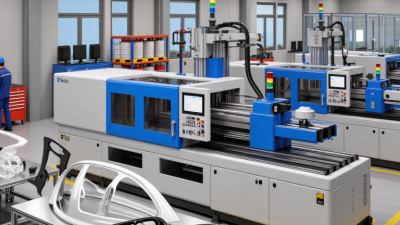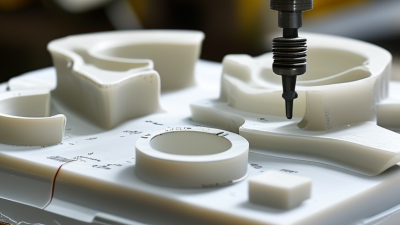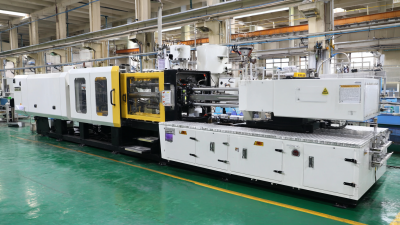
Automotive injection molding shapes many of the plastic components found inside modern vehicles. Dashboards, door panels, air vents, clips, brackets, and electrical housings often begin as heated polymer pellets. The process looks simple from a distance. It is not. Pressure, temperature, cooling time, and mold design must work together within tight limits.
In automotive injection molding, a machine melts plastic and injects it into a steel mold. The material fills every cavity, then cools until it becomes stable. The mold opens, and ejector pins release the finished part. Small details matter. A blocked vent can trap air. Uneven cooling can create warpage. An incorrect packing pressure can leave sink marks near thick sections. These defects may appear minor, but they can affect assembly, appearance, and long-term performance.
John P. Beaumont, a respected injection-molding author and industry educator, is often quoted as saying, “The mold is the heart of the injection molding process.” That observation remains highly practical. A well-designed mold supports repeatable production, efficient cooling, and consistent dimensions. Yet no process is perfect. Material batches vary, tools wear, and factory conditions change. Engineers must review real production data instead of trusting simulations alone. That practical discipline separates a promising prototype from a dependable automotive component.
This article explains what automotive injection molding is, how each processing stage works, and why manufacturers choose it for high-volume vehicle production. It also examines materials, tooling, quality control, common defects, and sustainability concerns. The goal is clear understanding, not exaggerated simplicity.
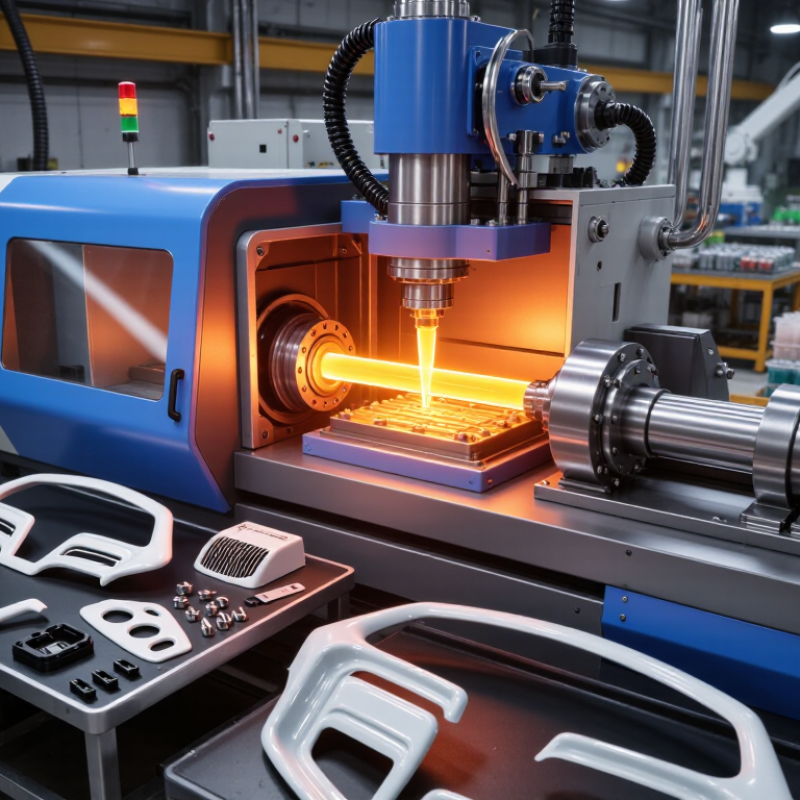
Automotive injection molding converts plastic pellets into precise vehicle components. Pellets enter a heated barrel and melt uniformly. A screw then injects the material into a metal mold under controlled pressure. Cooling channels remove heat, while ejector pins release the finished part. The cycle repeats quickly. Small details matter.
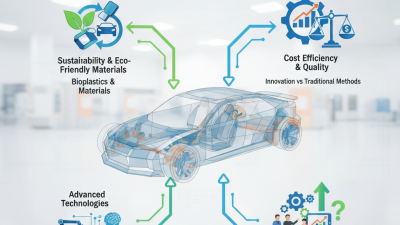
This process matters because it combines low weight, repeatability, and complex shapes. The International Energy Agency’s Global EV Outlook 2024 reported nearly 14 million electric car sales in 2023. That growth increases demand for lightweight housings, connectors, ducts, and interior structures. The U.S. Department of Energy estimates that reducing vehicle weight by 10% can improve fuel economy by 6–8%. Lighter parts can also reduce battery and energy demands, although results depend on the entire vehicle design.
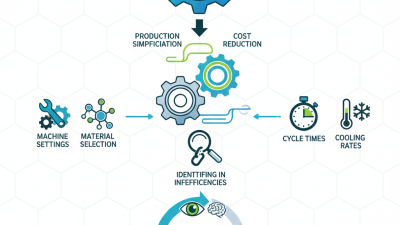
Practical quality control remains essential. Engineers adjust melt temperature, injection speed, holding pressure, and cooling time for each polymer and mold. They also inspect gate marks, weld lines, shrinkage, and warpage. One overlooked temperature change can distort a thin panel. The process is not flawless. Recycled content may vary, and overly aggressive cycle speeds can create hidden stress. Dimensional checks, material testing, and documented process records support reliable production, as recommended in automotive quality practices such as IATF 16949. A useful improvement may still require slower molding. That trade-off deserves honest review.
Automotive injection molding turns heated polymer pellets into repeatable, detailed components. The material enters a steel mold under pressure, cools against shaped channels, and leaves through ejector pins. The cycle often lasts seconds, although thick parts require longer cooling. Small errors matter.
Polypropylene is widely used for door panels, bumpers, consoles, and battery covers because it is light and chemically resistant. ABS and PC/ABS support rigid interior housings and trim with better impact performance. Polyamide, PBT, and POM serve under-hood parts, connectors, and gears where heat or dimensional stability matters. TPE adds soft-touch sealing and grip surfaces. Glass fibers, mineral fillers, UV stabilizers, pigments, and flame retardants adjust stiffness, color, weathering, and safety performance. PlasticsEurope reported 57.2 million tonnes of plastics demand in Europe in 2022, showing the scale of polymer processing, though that figure covers every sector.
The molded assembly also includes the mold itself, runners, gates, cooling circuits, and ejector systems. Engineers tune melt temperature, injection speed, holding pressure, and cooling time for each resin. OICA recorded 93.5 million motor vehicles produced worldwide in 2023. That volume demands stable tooling and strict inspection. Operators check warpage, sink marks, weld lines, flash, and part weight. Lightweighting helps, but it can create thinner walls and weaker impact margins. This trade-off is easy to underestimate. Recycled content may reduce material impact, yet inconsistent feedstock can affect color, flow, and strength. Designing for production still requires testing, not assumptions.
Automotive injection molding begins with part design, material selection, and mold engineering. Engineers check wall thickness, shrinkage, ribs, and draft angles before production. This stage prevents weak corners and difficult ejection. Yet small design errors can become expensive mold changes.
The machine heats plastic pellets until they become a controlled melt. A screw then injects the material into a closed steel mold under high pressure. The mold shapes dashboards, panels, clips, housings, and other components. Cooling channels remove heat while the plastic solidifies. Ejector pins release the finished part, and sensors record pressure, temperature, and cycle time. Operators inspect dimensions, surface texture, flash, and short shots.
The U.S. Department of Energy reports that a 10% vehicle weight reduction can improve fuel economy by 6–8%. This explains the industry’s strong interest in precise, lightweight molded parts.
However, lighter plastic is not automatically better. A thin section may warp or fail under vibration.
Tips:
Keep wall thickness as uniform as possible. Place gates near thicker areas. Validate cooling early. A practical trial often reveals issues that simulations miss. That is not failure; it is useful evidence.
Recycled content also requires careful drying and process adjustment. Material moisture can cause bubbles, brittleness, or inconsistent dimensions.
According to technical guidance from the Society of Plastics Engineers, process stability depends on controlling material, machine, mold, and measurement variables together. Teams sometimes focus too heavily on injection speed. Cooling time may deserve equal attention.
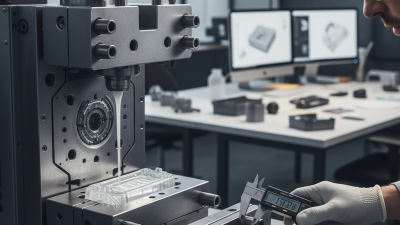
Automotive injection molding begins with a carefully engineered mold. Molten polymer enters the cavity through a gate, filling the space around the core. The cavity creates the outer geometry. The core forms the inner structure. Together, they define walls, ribs, clips, and mounting points in seconds.
Cooling channels control how the part solidifies. Uneven cooling can create sink marks, warpage, or visible flow lines. Mold designers adjust channel layouts, pressure, and cycle time to protect dimensional accuracy.
Surface texture also starts inside the mold. Fine etching can reduce glare on an instrument panel, while polished steel can produce a deep, smooth finish. Small details matter.
Material selection remains closely linked to weight reduction. The U.S. Department of Energy reports that a 10% vehicle weight reduction may improve fuel economy by approximately 6–8%. PlasticsEurope’s Plastics—The Facts 2023 report places transport at roughly 9% of European plastics demand. These figures help explain the growing use of molded polymer components.
However, lighter parts are not automatically better. Thin walls may cool quickly but can weaken around fasteners. A perfect finish may also hide poor fit.
Experienced teams inspect first-shot parts, measure shrinkage, and revise the mold when results disagree with the drawing. That imperfect stage is often where reliability improves.
Automotive injection molding produces precise plastic parts by forcing heated resin into a cooled steel mold. The mold defines shape, texture, mounting points, and airflow channels. After cooling, the part is ejected and checked for defects. This process supports dashboards, door panels, sensor housings, clips, bezels, and under-hood components. Each application demands a different balance of strength, heat resistance, weight, and surface quality.
Quality standards define more than appearance. Many automotive suppliers work within IATF 16949 and ISO 9001 quality systems. APQP, process control plans, PPAP documentation, and traceable material records are also common requirements. Inspectors may measure warpage, wall thickness, color consistency, weld lines, and impact performance. A small sink mark near a fastener can cause assembly problems later. Dimensional checks should reflect real production conditions, not only ideal laboratory samples. That detail is often underestimated.
Tips: Review the mold-flow analysis before cutting steel. Confirm resin grade, drying conditions, and shrinkage data. Use sampling plans that match production risk. Keep lot records for resin, machine settings, and inspection results. No process is perfect. A checklist can still miss a design weakness, especially when parts face vibration, heat, or repeated loading. Experienced teams therefore combine measurements with practical assembly trials and field feedback.