Why Are Crusher Wear Parts Important?

Why Are Crusher Wear Parts Important?

Crusher Wear Parts do more than protect a machine. They shape the crushing chamber, influence product size, and help keep material moving through the plant. When a mantle, jaw plate, or blow bar wears unevenly, the crusher may consume more energy and produce inconsistent material. The clues can be tangible: a changed vibration, rising power draw, or a coarse pile where the screen feed used to look uniform. Small changes matter.

Cone-crusher researcher Erik Hulthén has studied crusher performance and wear. A concise paraphrase of the practical lesson from his research is: “Wear changes the crusher’s geometry, so performance must be monitored as parts wear.” This is a paraphrase, not a verbatim quotation. It points to why operators inspect liners and track wear patterns instead of relying only on scheduled replacement. Fit, feed size, rock abrasiveness, and operating settings all affect service life. No liner lasts forever.

Choosing a wear part is therefore an operational decision, not just a purchasing task. A suitable alloy or profile can support stable output, but the best option depends on the ore and the crusher. Plant records help: compare tonnes processed, downtime, and product gradation across replacement cycles. Check the manufacturer’s guidance, too. There is no universal wear life. Even experienced teams can misread a wear pattern, especially when feed conditions change. Regular inspection and careful measurement make the decision more dependable, while protecting both equipment and production consistency.
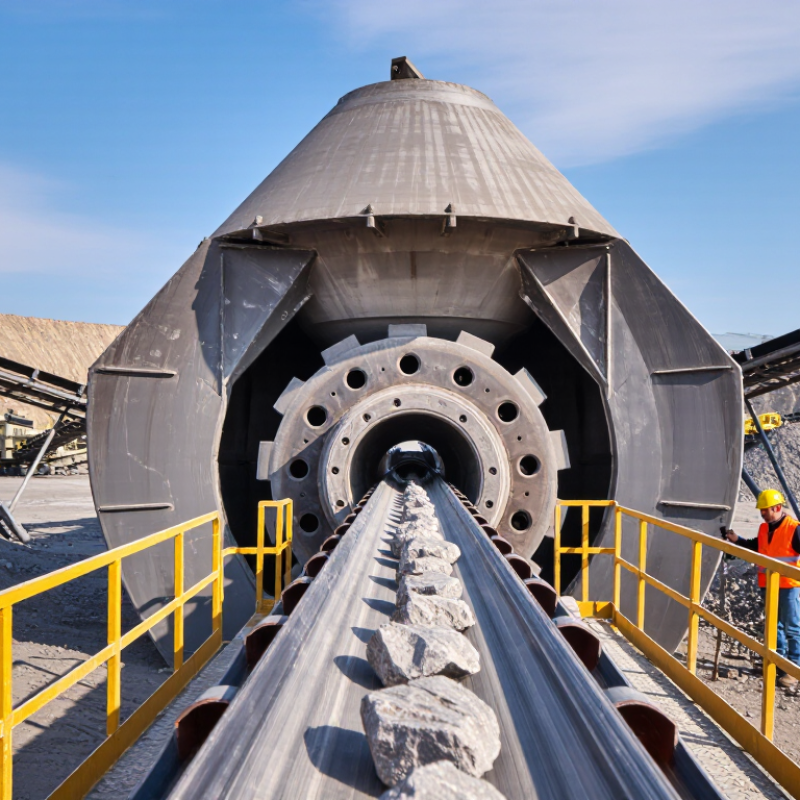
Why Are Crusher Wear Parts Important?

What Crusher Wear Parts Are and How They Function

Crusher wear parts are replaceable surfaces that contact rock during crushing. They include jaw plates, cone crusher mantles and concaves, impactor blow bars, and protective chamber liners. In a jaw crusher, opposing plates compress material until it fractures. In a cone crusher, a moving mantle presses rock against a fixed concave. Impact crushers use fast-moving blow bars to strike and break material.

These parts shape the crushing chamber as well as resist abrasion and impact. Their profiles guide rock through the machine and influence product size, capacity, and power demand. Small changes matter. A worn jaw plate may leave a different product shape or allow material to slip. Uneven wear can also create gaps that reduce crushing efficiency. That matters.

Wear depends on feed size, rock hardness, moisture, and operating settings. A part suited to abrasive stone may wear differently in tough, impact-prone rock. During inspection, look for thinning, cracks, loose fasteners, and uneven wear patterns. Measure against the equipment maker’s limits, since visual judgment alone can be misleading. Part names and shapes vary between crusher designs, so fit and chamber geometry matter. It is tempting to blame the material, but poor feed distribution or incorrect settings can contribute too. The evidence is not always obvious.

How Wear Develops During Crushing Operations

In a crusher, wear develops a little at a time. Rock strikes the liners and repeatedly rubs across their surfaces. Hard, angular material can scrape away metal faster than softer, rounded feed. Fine particles may also pack into gaps, adding friction where movement should be limited. The pattern depends on the rock, feed size, crusher settings, and operating conditions.

Impact is only part of the story. Abrasion gradually thins working surfaces, while repeated loading can contribute to fatigue and cracking. Uneven feed may wear one side more quickly; a change in moisture or rock hardness can alter the pattern too. A liner that looks worn is not always the only issue. Feed distribution and closed-side setting deserve a look as well. It is easy to blame the part alone.

Tips: Inspect wear surfaces at regular intervals and record measurements in the same locations. Compare changes over time, and check for cracks, loose components, or uneven wear. Follow the equipment manual when deciding whether parts need replacement. Small checks help, though they cannot prevent every sudden failure.

How Wear Parts Affect Crusher Performance and Product Quality

Crusher wear parts shape the material as it passes through the crushing chamber. When liners, jaws, or blow bars wear unevenly, the gap and impact pattern can shift. The result may be a changing mix of particle sizes, more flaky pieces, or excess fines. Small changes matter. They can affect screening, stockpile consistency, and the next stage of processing.

Wear also influences output and operating stability. A worn crushing surface may need more passes to achieve the target size, while loose settings can let oversized rock through. Operators can track closed-side settings, throughput, power draw, and sieve results together. A single measurement can mislead, though: feed hardness and moisture also affect performance. Wear is not always even.

The scale of production makes these details practical, not cosmetic. The U.S. Geological Survey’s Mineral Commodity Summaries 2024 estimated U.S. crushed-stone production at about 1.5 billion short tons in 2023. At that volume, inconsistent gradation can create costly rehandling and variable product lots. Inspect contact surfaces at repeatable intervals, and compare samples from the same points in the process. Replace parts based on measured wear and product trends, not appearance alone. That judgment still takes practice.

Why Wear Parts Matter for Equipment Safety and Operating Costs

Why Are Crusher Wear Parts Important?

Why Wear Parts Matter for Equipment Safety and Operating Costs

Crusher wear parts are sacrificial, but they protect much more expensive equipment. Jaw plates, mantles, and blow bars shape the crushing chamber and keep material moving predictably. As surfaces wear unevenly, feed can become erratic, vibration may rise, and metal may contact metal. Loose or damaged components also create hazards during inspection and replacement. Small clues matter.

Wear affects operating costs, too. A worn profile can reduce throughput and increase energy use per tonne. The U.S. Department of Energy’s 2010 Operations & Maintenance Best Practices guide reports that effective maintenance programs can reduce facility energy use by 5–20%. This is a broad industry estimate, not a crusher-specific guarantee. Still, it shows why wear condition belongs in cost planning. The awkward part: replacement intervals rarely match a calendar perfectly.

Tip: Check wear thickness at consistent points, compare readings with the equipment’s limits, and record changes over time. Inspect fasteners, cracks, and uneven wear during planned shutdowns. Replace parts before damage reaches the supporting structure, but avoid changing them based on guesswork alone. Follow safe isolation procedures and use suitable lifting equipment.

How Material Choice and Maintenance Extend Service Life

Why Are Crusher Wear Parts Important?

Material choice and maintenance determine how long crusher wear parts perform reliably. The right alloy depends on the feed, not just the machine. Hard, abrasive rock can wear surfaces quickly, while large, forceful impacts demand toughness. Manganese steel can work-harden under repeated impact. High-chrome iron may resist abrasion, but can be less suitable where impact is severe. There is no universal winner. A mismatch can mean premature wear, cracking, or costly downtime. Small details matter. Record the feed’s hardness, size, and moisture, then compare wear patterns over time.

Maintenance turns that choice into longer service life. Inspect liners at consistent points and record thickness, rather than judging wear by appearance alone. Check for cracks, loose fasteners, uneven wear, and material packed behind liners. Uneven patterns may point to poor feed distribution or incorrect settings. Correcting the cause can protect replacement parts. Don’t wait until the liner is nearly gone; exposed supporting surfaces can suffer damage. Replace parts according to measured wear and the equipment maker’s limits, with the crusher safely isolated before inspection. Even careful checks cannot prevent every failure, but they make wear easier to predict.

Why Are Crusher Wear Parts Important? — How Material Choice and Maintenance Extend Service Life
Factor Typical Options or Practice Why It Matters Service-Life Action
Wear-part function Jaw plates, cone liners, mantle and concave segments, and impactor blow bars These parts contact and break feed material. Their wear profile affects crushing performance, product shape, and operating efficiency. Inspect for uneven wear, cracks, and changes in product size; replace parts when they reach the equipment manufacturer’s limits.
Abrasive, hard feed High-manganese steel is commonly used for compression-crushing applications where impact can help the material work-harden. Hard, abrasive rock can accelerate metal loss. The best alloy depends on the crusher, feed properties, and operating conditions. Confirm the alloy is suitable for the application and monitor wear regularly rather than relying on a fixed life estimate.
High-impact crushing Wear-resistant alloy steels are used for parts such as impactor blow bars; alloy composition and heat treatment affect performance. Impact loading can cause both wear and fracture. A material chosen only for hardness may not provide enough toughness. Use parts specified for the crusher and feed conditions; check for chipping, cracking, and secure seating.
Corrosive or wet feed Material selection should account for moisture, chemical exposure, and the crusher’s operating environment. Corrosion and abrasion can act together, so a wear-resistant material alone may not prevent premature damage. Keep equipment clean where practical, investigate unusual corrosion, and review material choice with a qualified supplier.
Feed size and consistency Operate within the crusher’s specified feed-size range and avoid unnecessary fluctuations in feed distribution. Oversized, poorly distributed, or unsuitable feed can create uneven loading and localized wear. Control feed size and distribution; inspect liners for uneven wear that may indicate a feed or setup issue.
Crusher settings and operation Use settings and operating procedures recommended for the crusher and the intended product. Incorrect settings or operation can increase stress, reduce effective crushing, and contribute to irregular wear. Check settings after maintenance and monitor operating indicators such as power draw, product size, and vibration.
Routine inspection Visual checks and wear measurements during planned maintenance Early detection can identify uneven wear, loose components, or developing damage before they lead to unplanned downtime. Record measurements consistently and compare them with equipment limits and previous inspection records.
Correct installation Follow the equipment maker’s installation, fastening, and clearance procedures. Incorrect fit or fastening can cause movement, concentrated stress, or damage to the wear part and surrounding components. Verify seating and fasteners during installation and recheck them as directed by the maintenance procedure.
Replacement planning Base replacement timing on measured wear, equipment limits, production needs, and inspection findings. Replacing too early wastes usable material; replacing too late can risk damage, reduced performance, or an unplanned shutdown. Track wear and changeouts over time to improve maintenance planning for the specific operating site.

Wear life varies with crusher design, feed properties, operating conditions, material grade, and maintenance. Follow the equipment manufacturer’s instructions and site safety procedures.

NEW JERSEY

Location

Union Tool & Mold is a mold making, repair and plastic injection molding company located in central New Jersey.
(973) 763-6611

220 Rutgers St, Maplewood, NJ 07040
ACCREDITED

Certified Company


SOCIAL PROFILE

Let’s Connect

We invite you to engage with us on LinkedIn, where you can stay updated on our latest news, insights, and professional opportunities.