
Choosing the right roof involves more than comparing color samples and installation prices. Metal Shingles offer durability, fire resistance, and distinctive architectural character. They can resemble slate, wood, or traditional asphalt while providing stronger long-term performance.
The International Association of Certified Home Inspectors reports that properly installed metal roofs may last 40–70 years. Asphalt shingles commonly last 15–30 years. The Metal Roofing Alliance also reports that many metal roofing products contain recycled material and remain fully recyclable after removal. These figures are encouraging, but they are not guarantees. Coastal salt, poor ventilation, incorrect fastening, and weak underlayment can reduce service life.
Energy performance deserves attention, too. The U.S. Department of Energy explains that reflective roofing can lower roof temperatures and reduce cooling demand. Results vary by climate, insulation, roof color, and ventilation. Small details matter.
Todd Miller, a recognized metal-roofing specialist and president of Isaiah Industries, has stated, “A metal roof is a long-term investment in the protection and value of your home.” That perspective supports a practical evaluation. Metal Shingles should be judged as a complete roofing system, not as attractive panels alone.
A careful project review includes local weather exposure, substrate condition, snow loads, installation standards, and warranty language. The cheapest bid may not be the most economical choice. Nor is metal automatically superior for every building. When matched with qualified installation and suitable detailing, Metal Shingles can provide a resilient, visually refined, and potentially lower-maintenance roofing solution.
Sources: International Association of Certified Home Inspectors, “Roofing Materials”; U.S. Department of Energy, “Cool Roofs”; Metal Roofing Alliance, residential roofing sustainability information.
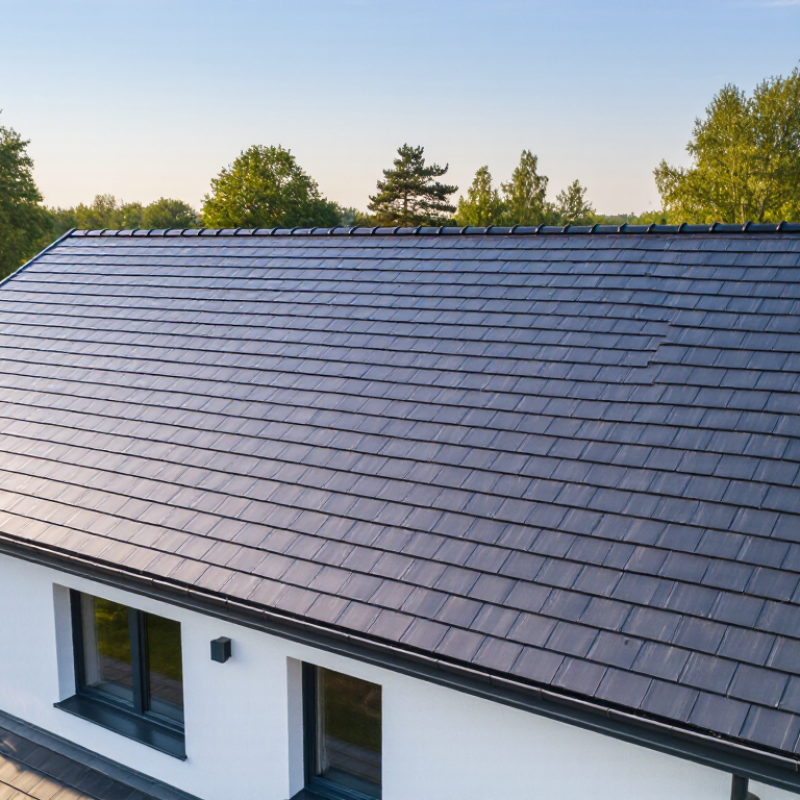
Metal shingles are small, factory-formed panels made from steel, aluminum, or copper. They interlock across the roof, creating a layered surface that sheds rain and resists wind-driven moisture. Textured finishes can resemble wood shakes, slate, or traditional asphalt shingles. Unlike loose roofing tiles, these panels attach to a continuous roof system with clips, fasteners, and underlayment.
Metal shingles are not simply “metal pieces.” Their performance depends on the alloy, coating, ventilation, and installation details. The U.S. Department of Energy reports that reflective roofing can reduce roof temperatures by up to 50°F in sunny conditions. Cooler surfaces may reduce heat entering the attic, but results vary with insulation and climate. The Metal Construction Association also notes that metal roofing products can include recycled content and remain recyclable after removal. That environmental advantage is useful, though it should not replace a full life-cycle review.
Tips: Ask for the product’s tested wind rating, fire classification, coating warranty, and corrosion resistance. Check how installers handle valleys, vents, and roof edges. Small mistakes become visible during heavy rain. I have seen attractive panels fail because flashing details were rushed. Metal shingles can last for decades, often around 40 to 70 years according to industry guidance, but poor ventilation may shorten that service life. A beautiful profile is not enough.
Why Choose Metal Shingles for Your Roofing Project?
Metal shingles begin as coated steel, aluminum, or copper sheets. The material is cleaned, treated, and coated before forming. Roll-forming machines shape flat sheets into consistent shingle profiles. Presses then create the visible texture, edges, and interlocking channels. Granules or paint may improve appearance and weather resistance. The U.S. Department of Energy reports that quality metal roofs can last 40 to 70 years, depending on material, climate, and installation.
Installation starts with a careful deck inspection. Damaged plywood must be replaced before the underlayment goes down. Installers usually add water-resistant underlayment, eave protection, starter pieces, and properly spaced fasteners. Each shingle must align with the previous course. Small errors matter. The National Roofing Contractors Association stresses accurate flashing around valleys, walls, chimneys, and roof penetrations. These areas often determine whether a roof remains dry. Metal also expands and contracts, so installers must follow the manufacturer’s approved fastening pattern and allow movement where required.
A finished roof should look orderly, but appearance alone proves little. I have seen clean lines hide loose flashings and poorly sealed penetrations. That is an uncomfortable lesson. A qualified contractor should document deck repairs, fastener placement, ventilation, and final inspections. The Federal Emergency Management Agency recognizes properly installed metal roofing as a durable option in severe-weather guidance. Still, no material is maintenance-free. Inspecting coatings, flashings, and debris after major storms remains sensible.
Metal shingles are typically produced from sheet metal that is cut, stamped or roll-formed into the desired profile, finished with a protective coating, and prepared with interlocking edges or fastening points. During installation, the shingles are aligned from the eaves upward and secured to the roof deck or battens according to the system design.
This chart compares the approximate density of common roofing metals. Density is a material property, not the finished weight of a shingle, which also depends on thickness, profile, and coating.
Metal shingles offer durability, energy efficiency, and a lighter structural load than many traditional roofing materials. The International Association of Certified Home Inspectors reports that properly maintained metal roofs can last 40 to 70 years. That lifespan can reduce replacement waste and long-term labor costs. Metal panels also resist rot, insects, and moisture better than wood-based products.
Their energy performance deserves closer attention. The U.S. Department of Energy states that reflective roofing can reduce roof surface temperatures by up to 50°F. ENERGY STAR reports that cool roofs may lower peak cooling demand by 10–15% in suitable climates. However, color, insulation, ventilation, and local weather still matter. Metal shingles are not automatically energy-saving. That assumption needs correction. A poorly ventilated attic can remain hot, even beneath reflective roofing. Installation quality is equally important. The National Roofing Contractors Association emphasizes correct fastening, flashing, and ventilation details for long-term performance.
Tips: Request written specifications for coating reflectance, corrosion resistance, wind ratings, and fastener spacing. Ask the installer to inspect the roof deck before installation. Include attic ventilation in the plan.
Small gaps can cause large problems. Metal shingles may also transmit rain noise, especially over uninsulated spaces. Underlayment and insulation can reduce that effect, but they add cost. The trade-off is real. Select the system according to climate, roof pitch, budget, and maintenance expectations.
Metal shingles come in several practical materials, each suited to different weather and design goals. Galvanized steel offers strong impact resistance and usually costs less than premium metals. Aluminum resists coastal corrosion and weighs less, but it can dent more easily. Copper and zinc develop natural patinas, creating distinctive roofs that may last for decades. The Metal Construction Association’s technical guidance also notes that metal roofing products commonly contain recycled content and remain recyclable after removal.
Styles change the roof’s character. Stamped panels can imitate slate, wood shake, or clay tile without the same structural weight. Some profiles use stone-coated granules for a textured, traditional appearance. Smooth painted finishes look cleaner, while textured finishes can hide small scratches and surface dust. The U.S. Department of Energy reports that cool roofs may remain up to 50°F cooler than conventional roofs under sunny conditions. Reflective coatings can therefore reduce heat entering an attic, although insulation and ventilation still matter.
Installation details deserve more attention than glossy samples. A contractor should check fastener placement, underlayment, flashing, and expansion movement. Coastal air, hail, snow, and roof slope can change the best material choice. I would not treat any lifespan estimate as a promise. Poor detailing can shorten even a premium roof’s service life. Color choice still matters. Dark finishes may absorb more solar heat, while lighter finishes can show dirt sooner. EPA recycling guidance supports selecting durable materials, but durability depends heavily on maintenance and workmanship.
Why Choose Metal Shingles for Your Roofing Project?
A roofing decision should begin with your property, not a product photograph. Climate matters. In coastal areas, salty air can accelerate corrosion, so protective coatings and suitable fasteners deserve close attention. In regions with heavy snow, the roof pitch and snow-shedding design become important. Wind exposure also changes the installation requirements. Ask whether the system has been tested for local weather conditions and installed according to regional building codes.
The existing roof structure needs inspection. Metal shingles are relatively light, but every building has limits. A contractor should check decking, flashing, ventilation, and signs of hidden moisture before covering anything. Small defects can become expensive repairs. I once underestimated the importance of attic ventilation during a renovation. The roof looked sound outside, yet trapped heat shortened its service life. That mistake changed my inspection routine.
Budget should include more than material and labor. Consider underlayment, edge details, maintenance access, sound control, and future repairs. Metal may reduce replacement frequency, but poor installation can cancel that advantage. Request written estimates, clear warranty terms, proof of insurance, and references for similar roofs. Listen during rain, too. Some homeowners enjoy the sound; others find it distracting without proper insulation. The right choice depends on durability, appearance, structure, climate, and your tolerance for maintenance. There is no perfect roof.
A practical comparison of common roofing materials and the factors that can guide a residential roofing decision.
| Decision Factor | Metal Shingles | Asphalt Shingles | Clay or Concrete Tile | Wood Shingles or Shakes |
|---|---|---|---|---|
| Typical service life | Approximately 40–70 years when properly installed and maintained | Approximately 15–30 years, depending on product grade, climate, and maintenance | Approximately 50–100 years when the structure and installation are suitable | Approximately 20–40 years in favorable conditions with regular maintenance |
| Relative installed cost | Usually medium to high; the initial cost may be offset by longer service life | Usually low to medium; often selected for its lower upfront cost | Usually high; structural reinforcement may increase project costs | Usually medium to high; labor and maintenance can be significant |
| Approximate roof weight | Lightweight; commonly about 1–3 pounds per square foot, depending on the system | Moderate; commonly about 2–5 pounds per square foot | Heavy; commonly about 8–15 pounds per square foot | Light to moderate; weight varies by wood species and thickness |
| Wind performance | Can provide strong wind resistance when fasteners, seams, and edge details are correctly installed | Good performance is possible, but wind resistance depends heavily on fastening and product design | Generally durable in wind, although individual tiles can break or loosen | Can perform well, but pieces may split, lift, or loosen over time |
| Hail and impact considerations | Metal can resist many impacts, but severe hail may dent the surface; product testing and thickness matter | Granule loss, cracking, and bruising can occur during severe hail events | Hard and durable, but tiles may crack under concentrated impact | More vulnerable to splitting or surface damage from severe impact |
| Fire resistance | Generally noncombustible; the complete roof assembly still determines the final fire rating | Many products achieve strong fire ratings, but ratings vary by assembly and underlayment | Noncombustible and commonly well suited to wildfire-prone areas when properly installed | Combustible unless specially treated and approved for the local fire requirements |
| Maintenance needs | Low to moderate; inspect fasteners, seams, coatings, flashings, and debris accumulation | Moderate; inspect for missing, cracked, curled, or granule-losing shingles | Moderate; inspect cracked tiles, underlayment, flashings, and drainage paths | High; regular cleaning, treatment, ventilation checks, and prompt replacement are important |
| Energy and weather response | Reflective finishes can reduce solar heat gain; insulation and ventilation remain essential | Performance depends mainly on color, ventilation, insulation, and roof assembly | Thermal mass can moderate temperature changes, but the material may increase structural load | Provides some natural insulation, but moisture management and ventilation are critical |
| Recyclability and waste | Steel and aluminum roofing are widely recyclable; recycled content varies by product | Recycling options exist in some regions, but disposal infrastructure is less consistent | Mineral-based material is durable, but reuse and recycling options vary locally | Renewable material, although preservatives, coatings, and local disposal rules affect end-of-life handling |
| Best fit for | Homeowners seeking longevity, low weight, fire resistance, and reduced replacement frequency | Projects prioritizing lower upfront cost and widely available installation labor | Homes designed for heavier roofing and owners prioritizing long-term durability and appearance | Designs where natural appearance is important and ongoing maintenance is acceptable |
