Top 10 Digital Air Compressor Suppliers for Global Buyers

Choosing a Digital Air Compressor supplier involves more than comparing motor ratings or advertised efficiency. Global buyers must examine operating pressure, airflow demand, control options, service access, and the conditions of each installation. A compressor serving a quiet laboratory faces different demands from one running beside a dusty production line. Details matter.

Professor Peter Radgen’s research focuses on industrial energy efficiency. A practical paraphrase of that emphasis is: “Measure performance where the air is used, not only at the compressor.” This is not a verbatim quotation. It is a useful reminder to check system-level energy use, pressure stability, and maintenance requirements alongside product specifications. Sensors and remote monitoring can help, but only when the data supports clear decisions. Connectivity alone does not guarantee savings.

This guide reviews ten suppliers for international buyers, with attention to product range, technical documentation, support networks, and suitability for different applications. It also considers integration and lifecycle service, which can be harder to compare than purchase price. Supplier claims deserve careful checking against real operating needs. There is no universal best choice; even a well-known brand may not fit every site. The comparisons offer a starting point, not a substitute for an engineering assessment.
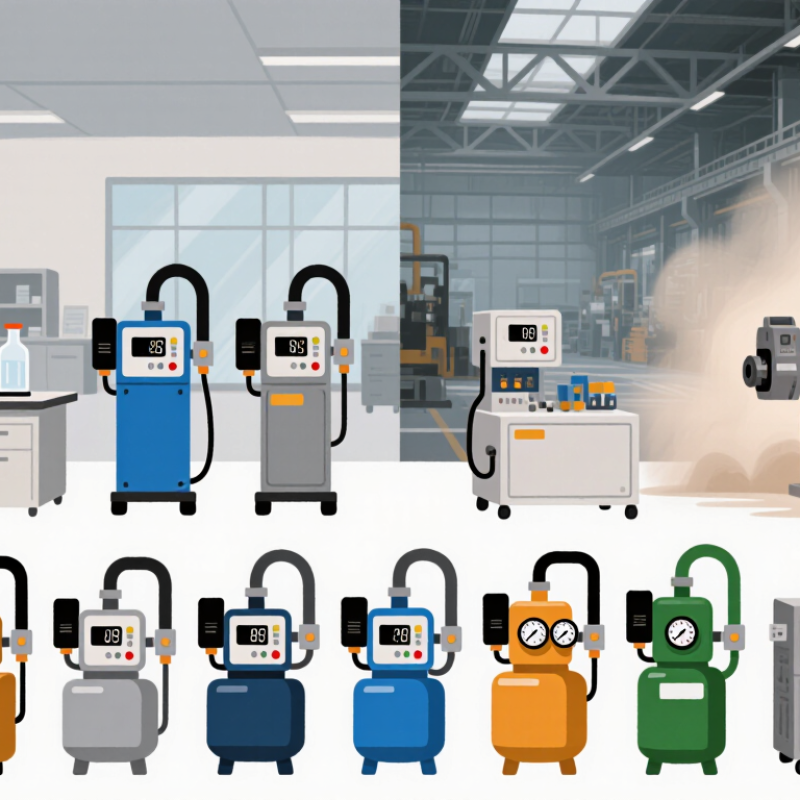
Top 10 Digital Air Compressor Suppliers for Global Buyers

Digital Air Compressors: Technology, Features, and Applications

Digital air compressors combine compression hardware with sensors and electronic controls.

Some also use variable-speed drives. Pressure and temperature readings help controllers adjust motor output as demand changes. A display may show operating hours, alarms, and energy use. These details are useful in workshops where tools start and stop throughout the day. Digital control can reduce unnecessary idling, but savings depend on correct sizing and regular maintenance. The screen is useful; it cannot fix a leaking hose.

Applications range from small production lines using pneumatic tools to larger facilities with central compressor systems.

Buyers should compare airflow at the required pressure, duty cycle, noise level, service access, and electrical supply. A quoted efficiency figure alone can mislead because demand changes by shift. For instrument air, specify filtration and drying separately; compressor controls alone do not ensure air quality. This part is sometimes overlooked.

Tips:

Log pressure and run hours for a week before choosing a unit. Check filters and drain condensate on schedule. Ask how alarms are interpreted, not just whether they appear.

A digital reading can be wrong or misunderstood, so verify unusual values with a qualified technician. Teams skip this more often than they should.

Key Criteria for Evaluating Global Suppliers

Global buyers should compare suppliers at the same operating point, not by headline motor power. Request measured free-air delivery, working pressure, input power, and noise data. Check whether performance figures follow ISO 1217 test methods. Numbers need context. The U.S. Department of Energy’s Improving Compressed Air System Performance sourcebook notes that compressed-air systems use about 10% of industrial electricity, with higher shares in some facilities. That makes efficiency claims worth verifying against your own load profile.

Service matters just as much. Ask for documented commissioning steps, local technician coverage, spare-parts lead times, warranty terms, and references from similar climates or industries. A low purchase price can look attractive, yet delayed parts or poor controls may raise lifetime costs. Review lifecycle estimates and confirm their assumptions, including electricity price, annual operating hours, and maintenance intervals. Some estimates remain uncertain; challenge them.

Tips: Request a test report and a written service-response target. Compare specific power at your actual pressure. Keep the assumptions. A supplier’s clear explanation of limits can be more useful than a perfect-looking brochure.

Profiles of Ten Digital Air Compressor Suppliers

Digital air compressor suppliers differ less by brochure claims than by the work their equipment must perform. A rotary-screw specialist may suit a factory running long shifts, while a compact-equipment supplier may serve repair shops with limited floor space. An oil-free air supplier focuses on clean output for sensitive production. Check stated air purity against your process requirements. A variable-speed supplier emphasizes output adjustment as demand changes; actual savings depend on operating patterns. They vary.

Other profiles include a supplier pairing compressors with dryers and filters, and a custom-engineering supplier adapting controls or pipe connections to an existing plant. A service-led supplier may offer nearby technicians and stocked parts. Ask about response times, not just service coverage. An export-focused supplier handles shipping and documentation, while a rental specialist provides temporary capacity during maintenance or peak demand. A digital-monitoring supplier offers operating data, but buyers should confirm what sensors measure and how alerts are handled.

These ten profiles describe different supplier strengths, not guaranteed performance. Compare quoted airflow at the required pressure, noise levels, warranty terms, and maintenance intervals. Request a duty-cycle estimate using your real production schedule. A minor omission matters: installation space and ventilation can change the practical fit. Check those details before choosing.

Comparing Supplier Products, Performance, and Support

Digital air compressor suppliers differ in more than model range. Compare compressor type, rated flow, working pressure, and control options against your actual demand. A workshop running several tools may need different capacity from a continuous production line. Check whether the digital controls show pressure, temperature, operating hours, and alarms clearly. Useful data should help operators spot problems, not just fill a screen.

Performance figures need context. Ask for airflow at the pressure your site uses, not only a headline capacity. Compare energy consumption, noise levels, and performance under changing demand. A unit may look efficient on paper but behave differently during frequent start-stop cycles. Test conditions matter. Some supplier comparisons are not perfectly apples to apples, so request the measurement basis and, where possible, verified operating data.

Support can shape the real cost of ownership. Ask who handles commissioning, how quickly common spare parts can be supplied, and whether technicians can assist remotely. Check that manuals explain routine maintenance in plain language. A polished dashboard can impress, yet it cannot replace timely service when pressure drops on a busy shift. I would also compare warranty terms carefully; they can be harder to interpret than product specifications. That detail is easy to miss.

Global Purchasing, Compliance, and After-Sales Considerations

Global buyers should compare more than purchase price. Check rated flow, pressure, specific power, and performance at your actual duty cycle. The U.S. Department of Energy’s Improving Compressed Air System Performance: A Sourcebook for Industry estimates that compressed air uses about 10% of industrial electricity. That matters. Request test conditions, calibration records, and an explanation of how digital readings are verified. An attractive dashboard proves little by itself.

Before ordering, map destination requirements. Confirm applicable pressure-equipment, electrical-safety, and energy-efficiency rules with a qualified local assessor; requirements vary by market. Specify an ISO 8573-1 air-quality class when product quality requires it. Document voltage, frequency, enclosure rating, and interface protocols. Do not assume a digital connection will integrate cleanly. Ask who controls alarm data and software updates.

After-sales terms deserve equal scrutiny. The DOE sourcebook notes that leaks may waste 20–30% of compressed-air output. Local leak checks and rapid parts access matter. Get service-response targets, spare-part lead times, warranty exclusions, and technician training in writing. Test a real escalation path before shipment. One uncomfortable question remains: can the supplier support the unit five years from now, in your region?

NEW JERSEY

Location

Union Tool & Mold is a mold making, repair and plastic injection molding company located in central New Jersey.
(973) 763-6611

220 Rutgers St, Maplewood, NJ 07040
ACCREDITED

Certified Company


SOCIAL PROFILE

Let’s Connect

We invite you to engage with us on LinkedIn, where you can stay updated on our latest news, insights, and professional opportunities.