China’s metal construction sector is expanding with stronger demand for faster, cleaner, and more consistent production. The World Steel Association reported approximately 1.89 billion tonnes of crude steel production worldwide in 2023. A small share becomes roofing products, wall panels, and structural components. This scale explains the growing interest in a reliable Roof Sheet Roll Forming Machine.
The machines discussed in China’s top manufacturer market are not identical. Their differences appear in forming speed, shaft diameter, roller design, electrical controls, and after-sales support. Some lines produce 12 to 20 meters per minute, while higher-speed systems may exceed 30 meters per minute. However, speed alone proves little. A poorly aligned roller set can leave visible waves on a sheet within minutes. Details matter.
This introduction evaluates manufacturers through practical and technical evidence. The criteria include factory experience, material compatibility, profile accuracy, automation, safety design, commissioning support, and spare-parts availability. Reports from MarketsandMarkets and Grand View Research describe continued investment in construction machinery, supported by infrastructure development and industrial modernization. Their findings support the market direction, but they cannot verify every supplier’s claims.
That requires closer inspection.
Buyers should compare sample profiles, tolerance records, electrical brands, warranty terms, and documented installations. CE-related compliance claims also require verification against the applicable market and product requirements. Not every impressive showroom reflects dependable engineering. This review therefore combines industry data with realistic purchasing concerns, helping readers identify manufacturers that offer measurable value rather than attractive promises. Some rankings may still change as technology, service quality, and export performance develop.
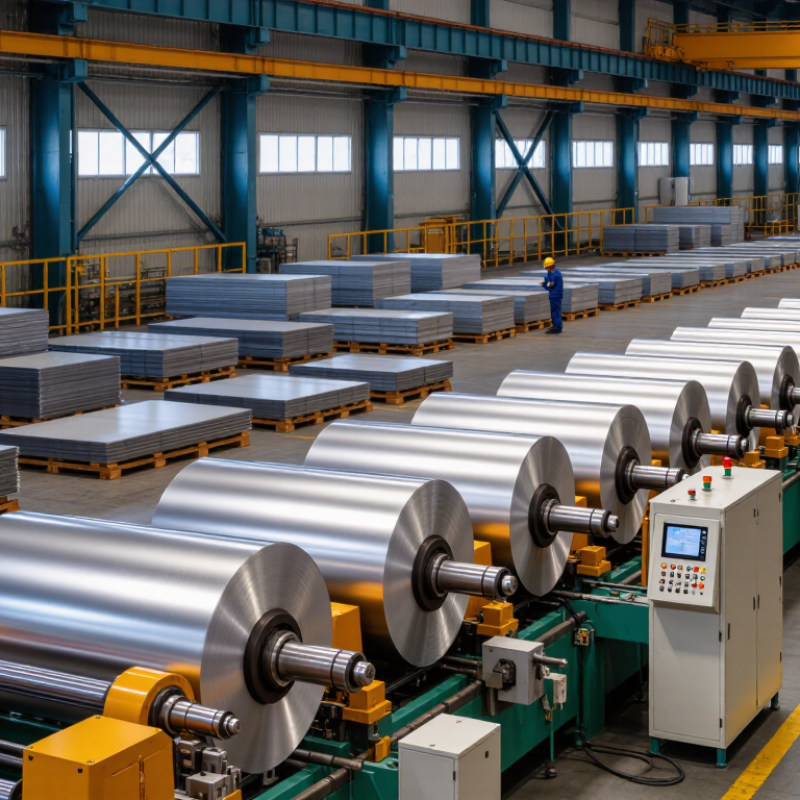
A roof sheet roll forming machine is a continuous production system that converts coiled steel into profiled roofing panels. The coil passes through matched rollers, which gradually shape ribs, valleys, overlaps, and edges. Cutting units then produce panels at programmed lengths.
It is not merely a press.
Its role is practical. It delivers repeatable dimensions, faster output, and fewer manual forming steps than individual sheet bending. World Steel Association data recorded about 1.89 billion tonnes of global crude steel production in 2023. Even a small roofing segment therefore depends on reliable shaping equipment and material control. A 2024 Grand View Research report also identified construction demand as a major driver of the global roofing materials market.
That matters.
In a factory, operators monitor coil alignment, roller wear, forming pressure, and cut accuracy. A panel may look correct while hiding uneven stress along its edge. This is where experience matters. Speed alone can mislead, especially when thin steel shows scratches or waviness. Machine selection should consider thickness range, profile design, production volume, changeover time, and local maintenance skills. The ideal configuration is not always the fastest one. A careful specification can still be imperfect, because roofing projects vary in climate, substrate, coating, and installation practice.

When comparing Chinese roof sheet roll forming machine manufacturers, examine the machine’s working range before its advertised speed. Confirm compatible coil width, thickness, material strength, and profile dimensions. A machine rated for 0.3–0.8 mm steel may perform differently at both limits. Ask for measured samples, not only catalog figures. Small details matter.
Inspect the forming rollers, shafts, frame, and cutting system closely. Hardened rollers can reduce surface marks, while a rigid frame helps maintain profile accuracy. Check whether the cutting unit operates before or after forming, and request its tolerance data. A powerful motor is useful, but stable feeding often matters more. Watch a complete factory test if possible. Look for vibration, uneven edges, oil leakage, and sudden stops.
Control systems also deserve practical attention. The PLC interface should be clear, with adjustable length, speed, and emergency functions. Ask about electrical components, spare parts, remote support, installation, and operator training. Reliable manufacturers provide wiring diagrams, manuals, inspection records, and a realistic warranty. Be careful with unusually low prices. They may indicate thinner steel, simpler rollers, or limited after-sales service. I would not trust speed claims without production evidence. My own comparison would include three trial profiles and several hours of continuous running. Even then, some judgment remains imperfect, especially when long-term maintenance history is unavailable.
Procurement priority index based on common buyer requirements for Chinese roll forming equipment
The 100-point comparison framework emphasizes forming performance, material compatibility, automation, product flexibility, dimensional accuracy, and supplier support. These values are evaluation weights for comparing manufacturers, not company-specific rankings or sales data.
China-based roof sheet roll forming machine manufacturers serve projects ranging from small workshops to high-volume roofing plants. The top 10 are usually judged by more than machine price. Experienced buyers examine forming speed, roller precision, frame strength, and electrical quality. A stable machine should produce consistent sheets with clean edges and accurate overlap profiles.
Factory experience matters. Ask for sample sheets made from your planned steel thickness and coating. Inspect the surface for scratches, waviness, and uneven ribs. Request production videos, component specifications, and clear maintenance instructions. Reliable manufacturers explain tolerances instead of promising perfect results. That honesty is valuable. Some quotations look attractive, but hidden tooling, packaging, or commissioning costs may change the final budget.
Tips: Compare at least three technical proposals. Confirm working width, coil weight, cutting method, and control-system language. Check whether remote support and spare parts are available. Visit a production facility when possible, and speak with recent users about delivery accuracy and after-sales response. Do not select only by speed. A faster line may create more waste if alignment is poor. Also, verify local electrical requirements before ordering. Small details matter. My own caution is simple: supplier rankings can be useful, but they should support inspection, not replace it.
| Rank | Anonymous Manufacturer Profile | Typical Machine Focus | Compatible Material | Common Thickness Range | Typical Forming Speed | Typical Working Width | Control and Automation | Customization Capability | Suitable Buyer Type | Overall Assessment |
|---|---|---|---|---|---|---|---|---|---|---|
| 1 | China-Based Manufacturer 01 | Trapezoidal roof panel roll forming lines | Pre-painted steel, galvanized steel, galvalume steel | 0.30–0.80 mm | 10–18 m/min | Up to 1,250 mm | PLC control, touchscreen HMI, automatic length measurement | Profile design, decoiler capacity, cutting length, stacking system | Building-material distributors and roofing contractors | ★★★★★ |
| 2 | China-Based Manufacturer 02 | Corrugated roof sheet forming machines | Galvanized and pre-painted steel coils | 0.25–0.75 mm | 12–20 m/min | Up to 1,200 mm | PLC, encoder-based positioning, emergency-stop protection | Corrugation pitch, sheet length, coil width, automatic stacker | Industrial shed and agricultural building suppliers | ★★★★★ |
| 3 | China-Based Manufacturer 03 | Tile-profile roof sheet roll forming systems | Color-coated steel and aluminum-coated steel | 0.30–0.70 mm | 8–15 m/min | Up to 1,250 mm | PLC control, digital length setting, hydraulic post-cutting | Tile height, effective width, embossing and stacking options | Residential roofing and architectural panel producers | ★★★★☆ |
| 4 | China-Based Manufacturer 04 | Double-layer roof panel roll forming machines | Pre-painted steel, galvanized steel | 0.30–0.80 mm | 8–16 m/min | Up to 1,250 mm per profile | PLC, shared control cabinet, automatic length control | Two interchangeable profiles, custom roller tooling, line layout | Manufacturers requiring two roofing profiles in one line | ★★★★☆ |
| 5 | China-Based Manufacturer 05 | Roof and wall panel combination lines | Galvanized, galvalume and pre-painted steel | 0.30–1.00 mm | 8–15 m/min | Up to 1,250 mm | PLC, touchscreen interface, automatic hydraulic cutting | Roof profiles, wall profiles, punching and customized feeding | Steel-building system manufacturers | ★★★★☆ |
| 6 | China-Based Manufacturer 06 | High-strength roof panel roll forming equipment | High-strength galvanized and coated steel | 0.40–1.20 mm | 6–12 m/min | Up to 1,000 mm | PLC, variable-frequency drive, overload protection | Roller thickness, shaft diameter, drive configuration and tooling | Industrial and commercial roofing fabricators | ★★★★☆ |
| 7 | China-Based Manufacturer 07 | Light-gauge roofing panel production lines | Pre-painted steel and galvanized steel | 0.25–0.60 mm | 12–25 m/min | Up to 1,250 mm | PLC, servo-assisted cutting, automatic length counter | Compact layout, profile geometry, decoiler and recoiler options | Small and medium-sized roofing workshops | ★★★★☆ |
| 8 | China-Based Manufacturer 08 | Roof panel lines with punching and notching units | Galvanized and pre-painted steel coils | 0.30–0.80 mm | 8–15 m/min | Up to 1,200 mm | PLC, encoder positioning, programmable punching control | Hole patterns, end notches, panel length and automatic stacking | Projects requiring pre-punched roofing components | ★★★★☆ |
| 9 | China-Based Manufacturer 09 | Long-span roof sheet roll forming lines | Pre-painted steel, galvanized steel and galvalume steel | 0.40–1.00 mm | 6–12 m/min | Up to 1,250 mm | PLC, hydraulic cutting, automatic length and quantity setting | Extended conveyor, heavy-duty frame, custom panel profiles | Warehouse, factory and logistics-building projects | ★★★★☆ |
| 10 | China-Based Manufacturer 10 | Entry-level and export-oriented roof sheet machines | Galvanized and pre-painted steel | 0.25–0.75 mm | 10–18 m/min | Up to 1,250 mm | PLC, touchscreen control, automatic stop and cutting | Basic profile tooling, voltage configuration and line length | Start-up manufacturers and regional distributors | ★★★☆☆ |
Selecting among China’s top 10 roof sheet roll forming machine manufacturers requires more than comparing prices. Machine structure affects output, changeover time, and profile accuracy. Corrugated lines suit warehouses and agricultural buildings. Tile-profile machines create deeper ribs for residential and commercial roofs. Standing seam equipment produces long panels with concealed fastening. Double-layer machines save floor space by forming two profiles, but shared components may slow adjustments. That trade-off deserves careful inspection. Measure the real workflow.
Material choice also changes machine performance. Galvanized steel resists moisture and remains common for industrial roofing. Galvalume steel offers strong corrosion resistance in demanding environments. Pre-painted steel improves appearance, but its coating can scratch during feeding or forming. Aluminum requires gentler pressure and accurate roller alignment because it deforms more easily. Typical thickness ranges from about 0.3 to 0.8 millimeters, depending on the profile and load requirements. Thicker coils need stronger frames and larger drive capacity.
Production applications should guide every specification. High-speed lines support large factories with steady coil supply. Compact machines fit workshops producing custom lengths for local projects. Automatic cutting reduces waste, yet poor sensor calibration can leave rough edges. Experienced operators check roller wear, shaft alignment, and finished panel dimensions every shift. Sample production is valuable. It reveals problems that brochures often hide. No machine is perfect. A practical review should include noise, maintenance access, setup time, and performance after repeated profile changes.
China Top 10 Roof Sheet Roll Forming Machine Manufacturers: How to Select a Reliable Manufacturer for Your Project
Choosing among China’s leading roof sheet roll forming machine manufacturers requires more than comparing prices. A reliable supplier should understand your sheet thickness, profile design, production speed, and local power conditions. Ask for drawings, technical specifications, and a complete quotation before making decisions. Clear documents reveal professional working habits.
Request a live factory video or inspection. Watch the machine forming actual steel, not only polished promotional footage. Check the frame strength, roller alignment, cutting accuracy, electrical components, and control system. Ask for test results using material similar to yours. A machine may look excellent but perform poorly with thinner or harder steel. That detail is easy to miss.
Tips: Confirm the warranty, spare-part list, installation method, and response time. Ask for references from comparable projects. Insist on a documented factory acceptance test before shipment. Compare service quality, not just the lowest offer. No supplier is perfect. A dependable manufacturer admits limitations and explains possible production risks. I would also check whether manuals are practical and whether technicians can communicate clearly. A delayed answer today may become a serious production problem later. Select a partner that provides evidence, realistic promises, and support after delivery.
