China Best Plastic Components Suppliers for Global Buyers?
China has become a major sourcing base for plastic components used in automotive, electronics, medical, packaging, and industrial equipment. Its supplier network combines large-scale production with flexible molding capabilities. However, low prices alone do not identify the best manufacturing partner. Buyers need evidence of process control, material consistency, and dependable communication.
This guide examines how global buyers can evaluate Chinese suppliers with practical confidence. It considers injection molding expertise, tooling design, resin selection, dimensional accuracy, and production capacity. A capable supplier should explain tolerances clearly and provide inspection records, material certificates, and representative samples. Details matter. Samples reveal gaps. Factory audits can confirm equipment, staffing, quality procedures, and traceability beyond a polished website. Buyers should also review ISO 9001 certification where relevant, while verifying that certificates match the actual production site. Experience shows that small issues, such as flash around a parting line or inconsistent color between batches, can create expensive delays. Still, no sourcing checklist is perfect. Requirements change, suppliers improve, and unexpected defects may appear during scale-up. A reliable process therefore includes pilot production, measurable acceptance criteria, and regular communication. This article presents a balanced approach for identifying reputable China-based plastic components suppliers and building long-term cooperation. It does not promise a single “best” supplier, because the right choice depends on application risk, order volume, design complexity, and regional compliance requirements. Evidence should guide the decision. Confidence must be earned.
What Defines a Reliable Plastic Components Supplier in China
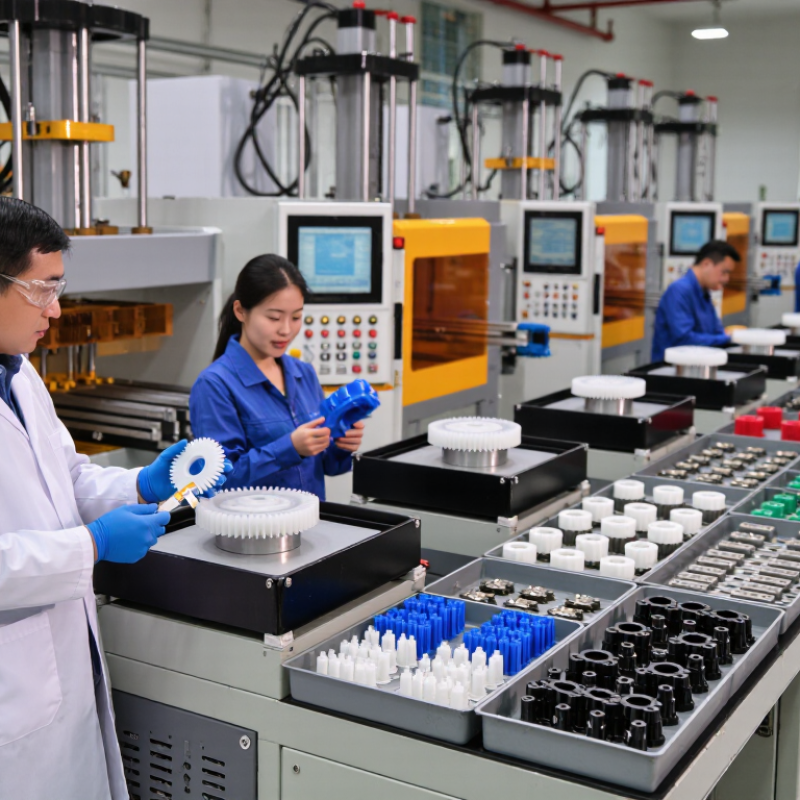
A reliable plastic components supplier in China proves consistency, not just capacity. Buyers should request controlled drawings, resin specifications, mold records, and recent inspection data. A factory should explain how it controls warpage, flash, color variation, and dimensional drift. These details matter when a part must fit after thousands of production cycles.
Certification helps, but it is not enough. The ISO Survey 2022 recorded more than 426,000 ISO 9001 certificates in China. That scale shows broad adoption, not automatic quality. Buyers should verify certificate scope, audit dates, calibration records, and corrective-action reports. A capable supplier can trace each batch from resin lot to packed cartons. It should also provide first-article samples and measurable acceptance limits. Vague promises are warning signs.
Environmental evidence deserves equal attention. The OECD Global Plastics Outlook reported 353 million tonnes of plastic waste worldwide in 2019, while only 9% was recycled. A responsible supplier should identify material grades, regrind percentages, and disposal controls clearly. The World Bank’s Logistics Performance Index 2023 placed China 19th globally, supporting strong export infrastructure, but logistics strength cannot repair weak production control. No audit is perfect. A supplier may present clean records during one visit and still struggle during peak demand. Regular inspections, sealed samples, and independent testing reduce that risk. Trust should be earned in small, repeatable steps.
China Best Plastic Components Suppliers for Global Buyers?
What Defines a Reliable Plastic Components Supplier in China
Reliable plastic component sourcing depends not only on molding capability but also on customs efficiency, transport infrastructure, shipment reliability, logistics competence, tracking visibility, and delivery timeliness. This chart uses China’s 2023 World Bank Logistics Performance Index scores, rated from 1 to 5, as an objective logistics benchmark for global buyers evaluating potential suppliers.
Source: World Bank, Logistics Performance Index 2023. Scores represent national logistics performance and do not evaluate individual companies.
Key Types of Plastic Components and Manufacturing Processes
Plastic components range from small cable clips to structural housings, gears, seals, and fluid-handling tubes. PlasticsEurope’s Plastics—The Fast Facts 2024 reports 413.8 million tonnes of global plastics production in 2023. That scale explains the wide process mix used by Chinese manufacturers. Injection molding suits repeatable parts with ribs, clips, and threaded bosses. Extrusion creates continuous profiles, tubing, and seals. Blow molding forms hollow containers, while compression molding handles some thermoset and composite parts.
Process selection affects cost, tolerance, and surface quality. Injection molding can produce thousands of parts efficiently, but designers must allow for shrinkage, draft angles, and visible gate marks. Extruded profiles may need secondary cutting or drilling. CNC machining offers tight control for low-volume components, yet it generates more material waste. Additive manufacturing supports prototypes and complex internal channels, although its layer texture may not match production parts.
A capable supplier should document resin grades, drying conditions, mold maintenance, and inspection methods. The ISO 20457 standard provides useful guidance for tolerances in injection-molded plastic parts. Sample checks should include dimensions, fit, color consistency, and performance after heat or chemical exposure. A clean sample can still hide weak weld lines. No process is perfect. Engineers sometimes over-specify tolerances, raising costs without improving function. Reviewing real production data, rather than relying only on photographs, leads to more reliable sourcing decisions.
How Global Buyers Can Evaluate Chinese Suppliers
China Best Plastic Components Suppliers for Global Buyers?
How Global Buyers Can Evaluate Chinese Suppliers
Choosing a Chinese plastic components supplier requires more than comparing unit prices. Global buyers should examine process control, engineering support, and delivery evidence. Request material certificates, mold specifications, inspection standards, and recent production records. A capable supplier should explain resin selection, shrinkage control, tolerance limits, and packaging methods clearly. Vague answers deserve attention.
Ask for samples made with production-intent tooling. Measure critical dimensions with documented equipment, not visual inspection alone. Review the supplier’s quality system, calibration records, and corrective-action reports. A factory visit can reveal practical details, such as clean storage areas, labeled materials, and organized mold maintenance. Video meetings help, but they cannot replace physical verification.
Communication matters too. Test how quickly the team handles a drawing change or defect report. Clear English is useful, but disciplined documentation matters more. Confirm lead times, tooling ownership, payment stages, inspection rights, and replacement procedures in writing. No supplier is flawless. A polished audit may still miss a seasonal capacity problem. Pilot orders reduce that risk, although they add time and cost. Buyers should keep questioning their own assumptions, especially when a quotation appears unusually attractive.
The Step-by-Step Process of Sourcing Plastic Components
Sourcing plastic components from China starts with a precise specification. Define resin type, dimensions, tolerances, surface finish, annual volume, and testing needs. A vague drawing creates expensive revisions. PlasticsEurope’s Plastics—The Fast Facts 2024 reports global plastic production reached 413.8 million tonnes in 2023. That scale means supplier capacity varies widely. Screen manufacturers by molding equipment, material traceability, export experience, and documented quality procedures. Request factory photos, process records, and recent inspection samples.
Send the same RFQ to several qualified suppliers. Compare tooling fees, piece prices, minimum order quantities, lead times, and payment terms. Do not choose the lowest quotation automatically. Ask for a resin certificate and a dimensional inspection report. Then review a prototype or first-off sample under real assembly conditions. Check warpage beside a metal fixture. Test snap fits repeatedly. Small details matter. An independent pre-shipment inspection can follow ISO 2859-1 sampling principles, while tensile requirements may reference ASTM D638. These standards improve consistency, but they cannot replace practical judgment.
Tips: Keep one approved “golden sample” and record every revision. Use a tolerance table, not casual phrases like “close fit.” Confirm whether the quoted price includes tooling maintenance and packaging. Data from the International Trade Centre’s Trade Map can help compare China’s export flows by product code, although classification errors remain common. Recheck the code. I have seen promising projects fail because the drawing ignored shrinkage, gate marks, or humid storage. Build a pilot order into the sourcing plan before committing to full production.
Quality, Compliance, Pricing, and International Shipping Factors
Choosing the best plastic components supplier in China requires evidence, not attractive catalog photos. Quality starts with resin control, mold precision, and stable production records. Ask for material certificates, dimensional reports, and samples from current production. A polished sample can hide weak process control.
Compliance needs equal attention. Confirm whether the components meet applicable market requirements, such as restricted-substance rules or food-contact standards. Request recent test reports, batch traceability, and documented corrective actions. Supplier audits should examine calibration records, incoming inspection, and worker training. Small gaps matter. I would also verify certificate authenticity independently, because paperwork alone does not prove factory performance.
Pricing should include tooling, inspection, packaging, payment fees, and possible rework. The lowest quotation may become expensive after rejected shipments. Compare identical specifications and clarify tolerances before negotiating. A useful supplier should explain cost changes when resin prices or order volumes shift. That transparency builds trust, although it is not always present.
International shipping requires careful planning. Confirm the shipping term, export documents, carton strength, pallet dimensions, and product classification before production begins. Humidity can damage packaging, while oversized cartons raise freight costs quickly. Agree on inspection timing and a response process for defects. Delays still happen, even with good planning. Build realistic buffer time instead of promising customers an ideal schedule. Reliability grows from measurable controls, honest communication, and records that can be checked.