7 Best 200x1800mm Graphite Electrode Suppliers

Choosing a 200*1800mm Graphite Electrode supplier involves more than checking dimensions and price. Electrode performance depends on grade, raw materials, machining accuracy, and how well the product suits a furnace’s operating conditions. Small differences matter. A poorly matched electrode can mean more frequent changes, unstable consumption, or avoidable production delays.

The market context is substantial. World Steel Association’s World Steel in Figures 2024 reports global crude steel production of 1,892.2 million tonnes in 2023. The International Energy Agency has described electric arc furnaces as producing roughly 30% of global steel, a route that relies on graphite electrodes to conduct current and generate heat. These figures explain why dependable supply and consistent product quality matter. They do not, by themselves, prove that any one supplier is reliable.

This guide compares seven suppliers through practical questions: Can they document electrode specifications and inspection procedures? Do they provide clear information on density, resistivity, strength, tolerances, and packaging? Can they explain lead times and respond when a shipment or quality issue arises? Ask for current test records and confirm that the stated dimensions match your equipment. A polished catalog is useful, but it is not evidence of consistent performance. Supplier comparisons also have limits: published claims may not reveal how a product behaves in a particular furnace. Use them as a starting point, then verify the details with your technical team.
7 Best 200x1800mm Graphite Electrode Suppliers

Understanding 200 × 1800 mm Graphite Electrodes

Understanding 200 × 1800 mm Graphite Electrodes

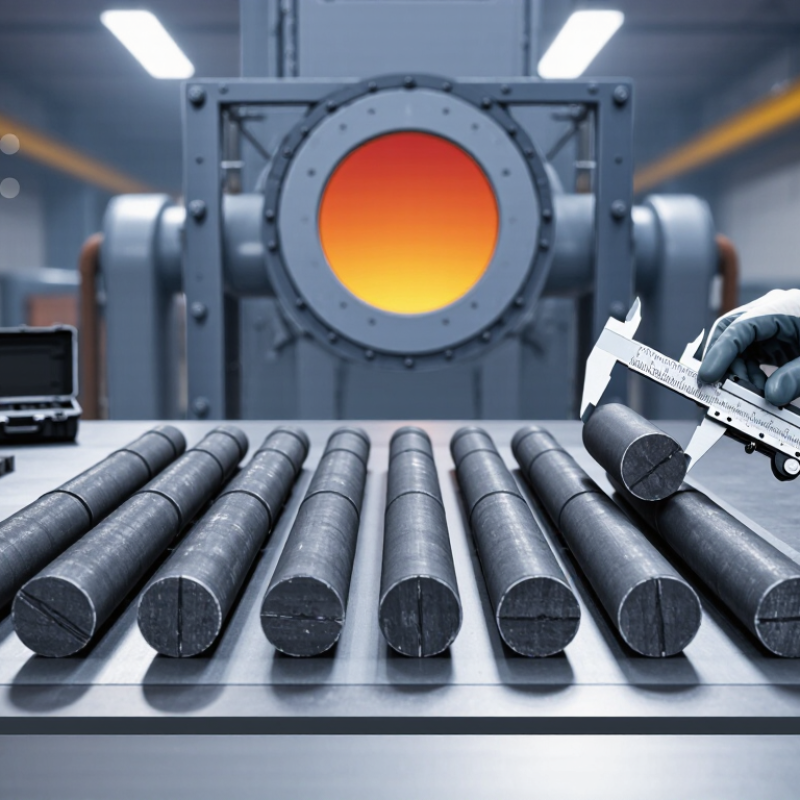
A 200 × 1800 mm graphite electrode has a nominal diameter of 200 mm and length of 1,800 mm. These dimensions can suit compact electric arc furnaces and other applications where electrode space is limited. The size alone does not define performance. Buyers should also check bulk density, electrical resistivity, flexural strength, machining tolerances, and nipple compatibility. A mismatch can cause poor connections, uneven wear, or avoidable downtime.

Electrode selection should match furnace current, operating conditions, and the material being melted. The International Energy Agency’s Iron and Steel Technology Roadmap (2020) reports that electric arc furnaces produced about 29% of global steel in 2019. That figure provides useful context, but it does not predict demand for any one electrode size. Ask suppliers for test certificates and documented values, then compare them against the furnace maker’s specifications. Small details matter.

Tips: Confirm whether 1,800 mm means the electrode body length or an overall length including the nipple. Inspect end faces and threads on delivery; a quick visual check can catch damage, though it cannot replace measured inspection.

Key Criteria for Evaluating Graphite Electrode Suppliers

For a 200 x 1800 mm graphite electrode, confirm whether the stated size is nominal or measured. Ask for diameter and length tolerances, plus details on straightness and end-face condition. Small variations can complicate handling and connection, even when the product looks sound. Check that the electrode grade suits your furnace conditions and operating current.

Request a technical data sheet with bulk density, electrical resistivity, flexural strength, and ash content. These figures help compare offers, but only when test methods and units are clear. Ask for recent inspection records and traceability for the production batch. A certificate matters more when its measurements match the goods received.

Inspect the connection system, including nipple dimensions, thread finish, and fit. Poor machining may cause loose joints or damage during use. Also review packaging, moisture protection, production capacity, and typical lead times. Request a sample if practical. Look closely for chipped edges, uneven machining, or inconsistent dimensions. I would still hesitate to judge a supplier from one sample alone; it cannot prove stable quality across repeated orders. Ask how rejected pieces are handled, and whether the supplier can explain a delayed shipment with clear production records.

7 Best 200x1800mm Graphite Electrode Suppliers - Key Criteria for Evaluating Graphite Electrode Suppliers

Use the seven criteria below to compare suppliers consistently. They are evaluation benchmarks, not claims about specific suppliers; confirm product values, tolerances, and commercial terms in the supplier’s current technical documents and quotation.

No. Evaluation criterion What to check for a 200 × 1,800 mm electrode Evidence to request Priority
1 Dimensional accuracy Confirm nominal diameter of 200 mm and length of 1,800 mm, together with agreed diameter, length, straightness, and end-face tolerances. Product drawing, inspection method, and batch measurement report. Critical
2 Grade and intended application Check that the offered grade and electrode design suit the furnace process, operating conditions, and connection system; do not assume grade equivalence from size alone. Grade specification, application guidance, and written confirmation of the proposed grade. Critical
3 Physical and electrical properties Compare the quoted limits for properties such as bulk density, electrical resistivity, flexural strength, and coefficient of thermal expansion. Values depend on grade and manufacturing specification. Current technical data sheet and representative test results, with units and test methods stated. Critical
4 Threading and nipple compatibility Verify the connection type, thread dimensions, machining quality, and compatibility with the intended nipple or electrode system. Connection drawing, thread inspection details, and confirmation of matching components. Critical
5 Quality control and traceability Check how the supplier controls incoming materials, production, machining, final inspection, and identification of each shipment lot. Quality-system documentation, inspection plan, sample certificate, and batch-traceability example. High
6 Packaging and transport protection Assess protection against impact, moisture, and handling damage; confirm packing suits the transport route and unloading method. Packaging specification, loading photographs or plan, and written damage-claim procedure. High
7 Delivery, commercial terms, and support Compare confirmed production and transit lead times, minimum order quantity, quotation validity, payment terms, delivery terms, and response to quality claims. Itemized quotation, delivery schedule, applicable Incoterms, and written warranty or claims terms. High

Comparison tip: Request the same grade, dimensional tolerances, test methods, quantity, and delivery basis from every bidder before comparing prices.

Profiles of Seven Potential 200 × 1800 mm Suppliers

For a 200 × 1800 mm graphite electrode, confirm whether 200 mm means the finished body diameter. Check the usable length, machining tolerance, and connection dimensions before comparing quotations. These seven profiles describe potential supplier types, not verified company rankings.

An integrated producer may offer control over raw materials and baking. A machining-led factory may provide tighter dimensional checks. An export specialist may handle protective packing and shipping documents. An electric-arc-furnace-focused producer may understand demanding operating conditions. A high-density-grade maker may supply detailed test data. A connection specialist may customize nipple fit. A regional stockist may shorten delivery times. This is not a ranking. World Steel Association’s World Steel in Figures 2024 reports 1,892.2 million tonnes of crude steel production in 2023. That figure gives market context, but it does not identify electrode suppliers or prove product quality.

Ask each candidate for recent test certificates covering resistivity, bulk density, flexural strength, and dimensional tolerances. Request photos of the electrode ends and threads, plus packaging details that prevent impact damage. Compare lead times against actual stock, not just estimated production capacity. A tidy datasheet can still mislead. Sample inspection matters, especially when tolerances and connection fit affect installation. Some suppliers may not disclose every process detail; record that uncertainty rather than treating missing information as proof of poor quality.

Comparing Product Quality, Pricing, and Delivery

For a 200 x 1,800 mm graphite electrode, compare the seven suppliers against the same written specification. Check diameter tolerance, length, bulk density, electrical resistivity, and ash content. Ask for a recent inspection report tied to the production batch, not just a general product sheet. Small differences can affect machining and performance. They are easy to overlook.

Pricing should include more than the quoted unit cost. Request a breakdown for packaging, inland transport, export handling, and any sampling or inspection fees. Compare quotes for the same grade and order quantity; otherwise, a low price may simply reflect a different specification. A supplier that answers technical questions clearly is easier to assess, though polished replies do not prove consistent quality. Verify details.

Delivery estimates deserve the same scrutiny. Ask whether the electrodes are in stock or made to order, and confirm the expected dispatch date in writing. For a long shipment, check how the pieces are supported and protected against moisture, impact, and edge damage. One practical step is to request loading photos and shipment tracking. Still, plans can slip. Leave a buffer, and treat unusually precise promises with caution; even a careful comparison cannot remove every supply risk.

How to Verify and Select a Suitable Supplier

7 Best 200x1800mm Graphite Electrode Suppliers
How to Verify and Select a Suitable Supplier

A supplier’s product page is only a starting point. For a 200 × 1800 mm graphite electrode, request a current specification sheet showing diameter, length, tolerances, grade, and relevant performance data. Confirm how measurements are taken; a small dimensional mismatch may affect fitting or handling. Ask for a recent inspection report tied to the actual production lot, not an unrelated sample. Clear answers matter.

Check whether the supplier can explain its manufacturing process, quality controls, packaging, and delivery schedule. Request traceability documents and, where practical, inspect a sample or arrange an independent test. Compare quotations on the same grade and delivery terms. A low price means little if the product details are vague. I would still hesitate when a seller promises perfect results but cannot explain its test methods. That concern is worth checking, not ignoring.

Tips: Ask for photos of the electrode and packaging before shipment. Verify the contact person and written specifications. Keep all agreed details in the purchase record.

NEW JERSEY

Location

Union Tool & Mold is a mold making, repair and plastic injection molding company located in central New Jersey.
(973) 763-6611

220 Rutgers St, Maplewood, NJ 07040
ACCREDITED

Certified Company


SOCIAL PROFILE

Let’s Connect

We invite you to engage with us on LinkedIn, where you can stay updated on our latest news, insights, and professional opportunities.