What is Plastic Injection Mold and How Does It Work?
The demand for plastic injection molds has surged in recent years. According to a report by Allied Market Research, the global plastic injection molding market is projected to reach $420 billion by 2027. This growth is driven by industries such as automotive, electronics, and consumer goods. Plastic injection mold processes enable manufacturers to create complex parts with high precision and efficiency.
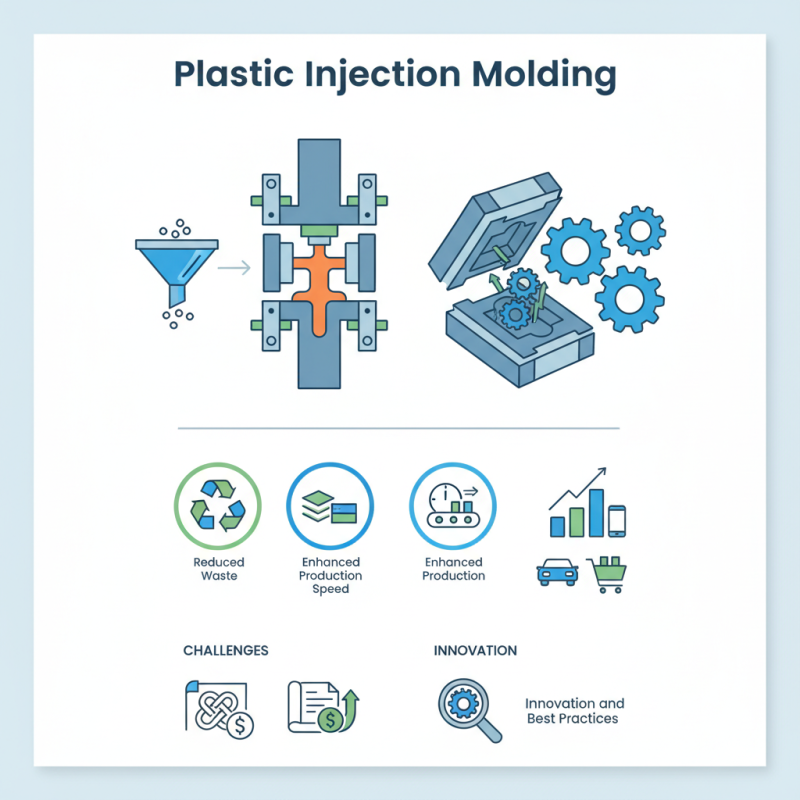
The technology behind plastic injection molds involves melting plastic granules and injecting them into a mold cavity. The mold shapes the liquid plastic, allowing it to solidify into the desired form. This method not only reduces waste but also enhances production speed. However, the initial setup cost and design complexities can be challenges, especially for small businesses.
High-quality molds are essential for optimal performance. Poorly designed molds can lead to defects, increasing costs and prolonging manufacturing time. Continuous innovation in materials and techniques is crucial for addressing these challenges. As the industry evolves, staying informed on best practices becomes imperative for maintaining competitive advantage in plastic injection molding.
What is Plastic Injection Mold?
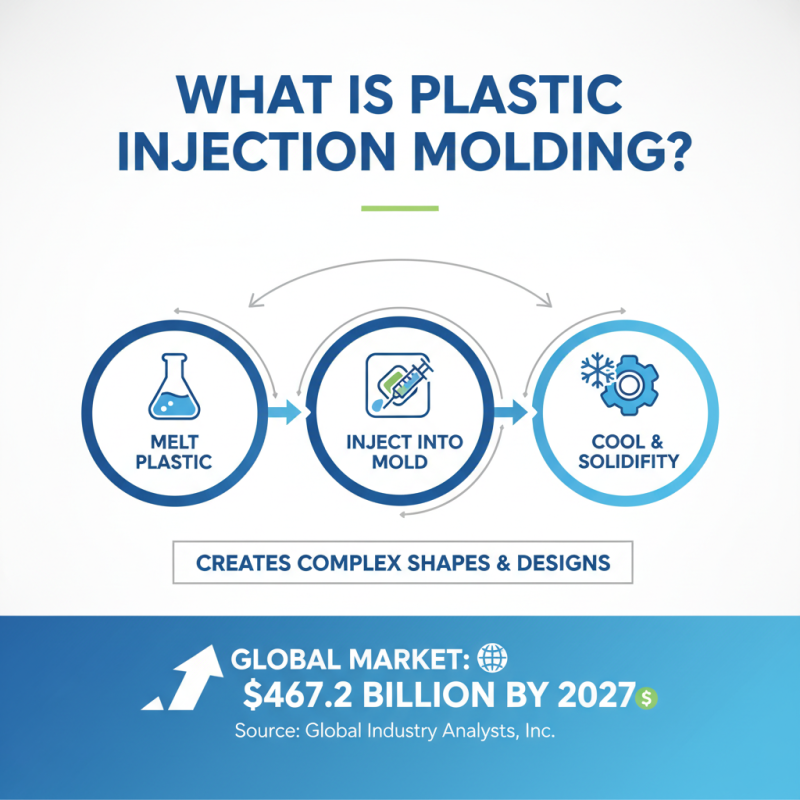
Plastic injection molding is a widely used manufacturing process in various industries. It enables the production of complex shapes and intricate designs. This method consists of melting plastic material. The liquid plastic is then injected into a mold, where it cools and solidifies. According to a report released by Global Industry Analysts, Inc., the global market for plastic injection molding is projected to reach $467.2 billion by 2027.
Molds typically consist of two halves: the core and the cavity. Each part plays a crucial role in shaping the final product. For example, the material used can impact both durability and cost-efficiency. However, the accuracy of the mold is paramount. Even minor defects can lead to production delays or increased waste. The industry aims to minimize these issues through advanced techniques like 3D printing for mold design.
While this process boasts many advantages, it is not without its challenges. The initial cost of mold creation can be high. Larger production runs are often needed to recoup costs. A study from the Society of Plastics Engineers highlights that over 25% of manufacturing faults arise from mold imperfections. Continuous improvement in design and production processes remains a primary focus in the industry.
Key Components of Plastic Injection Molding
Plastic injection molding is a highly efficient process widely used in manufacturing. Understanding its key components can provide insights into its operational efficiency and effectiveness. The primary elements include the injection unit, mold, clamping unit, and cooling system.
The injection unit melts plastic pellets and injects them into the mold under high pressure. This step is crucial, as it influences the quality of the final product. Data from industry reports indicate that effective melting and injection can reduce cycle times by up to 25%. The mold is often composed of two halves, forming the cavity where the liquid plastic takes shape. Precision in mold design is vital; even a minor flaw can cause defects in the finished product.
The clamping unit is responsible for holding the mold together during the injection process. Any failure in this unit can lead to material leakage and increased costs. Cooling is another vital component, as it solidifies the plastic. Reports suggest that efficient cooling systems can enhance production speed by 50%, making it imperative to invest in quality cooling solutions. Despite the advancements, issues with temperature control and cycle-time variability still pose challenges for many manufacturers. Understanding these components helps address shortcomings in the injection molding process, ensuring better quality control and consistent production.
What is Plastic Injection Mold and How Does It Work? - Key Components of Plastic Injection Molding
| Component |
Description |
Material Used |
Function |
| Mold Base |
The core structure that supports the mold. |
Steel, Aluminum |
Provides support and stability during the injection process. |
| Mold Cavity |
The hollow space in the mold where plastic is formed. |
Steel, Aluminum |
Shapes the final product during injection. |
| Injection Unit |
The mechanism that melts and injects plastic into the mold. |
Various alloys for durability |
Melts and injects plastic at high pressure. |
| Clamping Unit |
Holds the mold together during the injection process. |
Steel |
Maintains the mold's position to ensure proper filling. |
| Ejection System |
Removes the finished product from the mold. |
Steel, Plastic |
Ejects the formed product without damage. |
The Plastic Injection Molding Process Explained
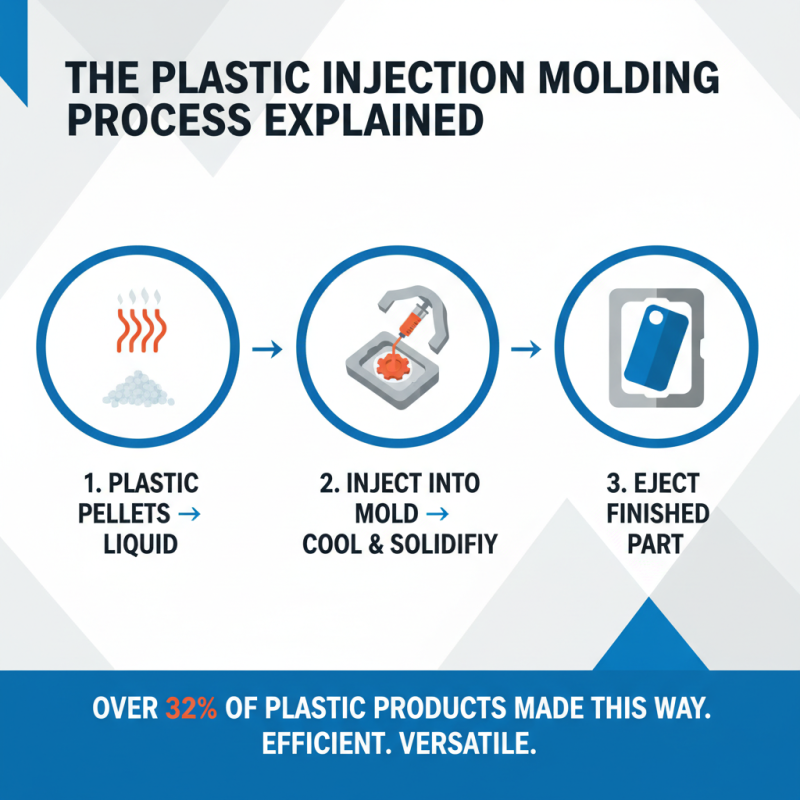
The plastic injection molding process is a cornerstone of modern manufacturing. It begins with heating plastic pellets until they liquefy. Next, this molten plastic is injected into a mold, where it cools and solidifies into the desired shape. According to industry reports, over 32% of all plastic products are created using this efficient method.
A key benefit of injection molding is its ability to produce highly complex geometries. The precision involved can lead to significant material savings, making it an eco-friendly option, especially in high-volume production runs. However, the initial setup costs can be high. Proper planning and design optimization are crucial to avoid waste and ensure the molds can withstand repeated use—typically around 500,000 cycles, as noted in various engineering studies.
Tips: Always communicate with your design team early. Even minor adjustments can prevent costly mistakes later. Consider testing prototypes before full production. This helps refine the mold design and process, ensuring quality results. Remember, the goal is efficiency, but flexibility in the process is equally important. Embrace iterative design; it’s essential for continuous improvement in plastic injection molding.
Factors Influencing Injection Mold Design
When designing plastic injection molds, several factors play a crucial role. One major factor is the complexity of the part being produced. Intricate designs require molds that can accommodate undercuts and tight tolerances. This complexity often leads to higher production costs and longer lead times. Engineers must carefully analyze the design to ensure it aligns with feasible manufacturing processes.
Material selection is another key consideration. Different plastics behave differently during the injection process. Some materials contract more than others when cooled, which can affect the precision of the final part. Choosing the right plastic can influence not only the part's strength but also its appearance and finish. Testing various materials is often necessary to gauge their practical implications in the mold design.
Cooling systems within the mold also impact production efficiency. Proper cooling ensures that the material sets correctly and reduces cycle times. However, designing an efficient cooling system presents challenges. It requires a balance between access to the mold and the effectiveness of the cooling channels. Engineers sometimes face trial and error in creating an optimal design that minimizes production time while maintaining quality.
Applications and Advantages of Plastic Injection Molding
Plastic injection molding is widely used across various industries. This method allows manufacturers to create complex shapes with great precision. It is common in sectors like automotive, consumer electronics, and medical devices. Many products, from bottle caps to intricate components, originate from this process. Its versatility makes it a favorite for large-scale production.
One significant advantage of plastic injection molding is efficiency. The process can produce large quantities in a short time. Additionally, it reduces material waste compared to other methods. This is crucial in today’s environmentally conscious landscape. However, the initial costs for molds can be high. Smaller businesses may find it challenging to justify this investment.
Another benefit is design flexibility. Designers can experiment with intricate details and textures. This flexibility opens doors for innovation. However, it also requires careful planning. Changes in design after the mold is made can be costly and time-consuming. Companies must weigh the risks and benefits throughout the process.