
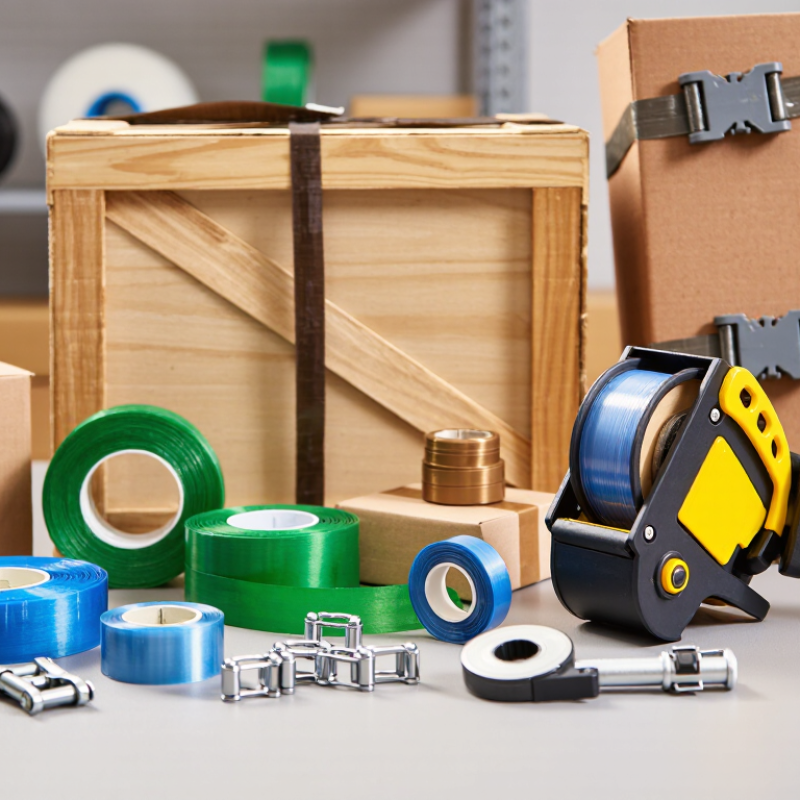
How to Choose the Best Parcel Strapping Kit?

Choosing the best Parcel Strapping Kit is not only about finding the lowest price. It is about matching the kit with your parcels, workflow, and packing environment. A small carton of books needs different support from a heavy machine part or a tall, unstable box.

In practical packing work, small details matter. The strap should sit firmly without cutting into cardboard edges. The tensioner should feel controlled, not awkward, after repeated use. A reliable kit may include polypropylene or polyester strap, buckles, seals, a tensioning tool, and a cutter. Check the strap width, breaking strength, roll length, and compatibility before purchasing. These specifications are more useful than attractive product photos.

Test it carefully. Use a typical parcel and apply steady tension. Watch for slipping seals, loose corners, crushed packaging, or strap damage. No kit is perfect. I have seen suitable straps perform poorly when the buckle size was overlooked. That mistake is easy to repeat. Manufacturer instructions, clear specifications, and consistent quality checks offer stronger evidence than vague claims. Workplace feedback also helps, especially when several people use the same tools daily. The right Parcel Strapping Kit should improve security without slowing packing or causing unnecessary hand strain. Consider future parcel sizes, storage space, replacement parts, and operator training. A cheaper kit may become expensive when tools fail or straps waste material. Good selection requires practical judgment, not guesswork.

How to Choose the Best Parcel Strapping Kit?

Define Your Parcel Strapping Requirements

Define your parcel strapping requirements before comparing any kit. Parcel volume matters.

The Pitney Bowes Parcel Shipping Index recorded 161.1 billion parcels worldwide in 2022. That scale exposes weak packaging decisions quickly.

Record each parcel’s length, width, height, weight, and surface texture. Then note its handling route, stacking time, and temperature exposure.

A small carton may need 5–9 mm polypropylene strap.

Heavier cartons often require stronger polyester strap and higher tension.

Do not choose by breaking strength alone. Excessive tension can crush soft corrugated corners. Use edge protectors when the strap cuts into cardboard.

Measure your daily workload, too. Manual kits suit occasional packing and changing parcel sizes. Battery or pneumatic tools can reduce fatigue during repeated cycles.

The International Safe Transit Association recommends testing packaged products under realistic distribution hazards, not only in a quiet warehouse.

Try vibration, drops, and compression. A ten-minute trial can reveal loose seals or damaged corners. It is easy to underestimate this step.

Material selection also affects waste planning. The U.S. Environmental Protection Agency reported 82.2 million tons of containers and packaging waste in 2018.

That figure is dated, but still useful for perspective. Select recyclable strap material where local recovery systems accept it.

Verify seal quality after temperature changes.

Keep a few failed samples. They often explain more than a polished specification sheet.

Compare Strap Materials, Widths, and Strengths

Choosing a parcel strapping kit starts with the strap material, not the dispenser. Polypropylene is light, flexible, and suitable for small cartons. It handles ordinary warehouse movement well. Polyester offers higher tension retention and better resistance to stretching. It suits heavier boxes or stacked loads. Steel strap provides exceptional strength, but it adds weight and needs careful handling. I once selected polypropylene for a dense carton because it was easier to use. That assumption was wrong; the strap loosened after repeated handling.

Width affects both holding power and package fit. Narrow straps, such as 9 or 12 millimeters, work neatly around small parcels. They leave fewer marks on soft cardboard. Wider straps, often 16 millimeters or more, distribute pressure across bulky cartons. Measure the box edges before choosing. A strap that is too wide may sit awkwardly near corners. A strap that is too narrow may cut into the carton.

Strength ratings deserve close attention. Compare tensile strength, elongation, and the expected parcel weight. Do not judge strength by thickness alone. A thicker strap can still perform poorly if it stretches too much. Match the tensioner and seals to the selected material. Test one packed carton before preparing a full shipment. Check the strap after lifting, turning, and storing the box overnight. Small trials reveal weaknesses that product descriptions sometimes hide.

Evaluate Tools, Buckles, Seals, and Accessories

How to Choose the Best Parcel Strapping Kit?

A dependable parcel strapping kit should match your carton size, strap material, and daily workload. Pitney Bowes’ Parcel Shipping Index reported 161.8 billion parcels worldwide in 2022. That volume makes consistent closure important, especially when parcels face repeated handling. A practical kit usually includes a tensioning tool, cutter, buckles or seals, and spare accessories. Choose polypropylene strapping for lighter cartons. Use polyester strapping when higher tension and better recovery are needed. Steel strapping can handle demanding loads, but it requires stricter handling controls.

Tool design deserves equal attention. The handle should remain stable during repeated pulls. A smooth cutter reduces loose strap ends and hand injuries. Buckles must fit the strap width precisely. Oversized buckles can slip. Undersized seals may crush the strap.

PMMI’s 2024 Packaging Compass report highlights labor efficiency and operator safety as continuing packaging priorities. Therefore, compare cycle time, grip comfort, adjustment speed, and maintenance needs. A cheaper tool may become expensive after weeks of awkward use.

Tips: Test the complete kit on real cartons, not empty samples. Apply tension gradually and inspect crushed corners, shifting loads, and broken seals. Keep replacement cutters and buckles nearby. Do not assume one kit suits every parcel. That assumption often fails. Record failed closures for one week, then revise the specification. My own evaluation would include a short operator trial, because technical figures cannot reveal every uncomfortable grip or stubborn buckle.

Check Kit Compatibility, Durability, and Ease of Use

How to Choose the Best Parcel Strapping Kit?

Compatibility should be checked before comparing prices. Measure your strap width, thickness, material, and core diameter. Then match them with the tensioner, sealer, dispenser, and seals. A kit designed for polypropylene strap may perform poorly with polyester strap. Check the supplier’s rated tension range, too. The World Bank’s 2023 Logistics Performance Index assessed 139 economies and included shipment quality, tracking, and timeliness. These factors make secure unitizing increasingly important across long delivery routes. A loose strap can shift when cartons face vibration, compression, or sudden handling.

Durability requires more than a high tensile-strength number. Look for resistance to splitting, moisture, temperature changes, and sharp carton edges. ASTM D3950 provides recognized requirements for plastic strapping, while ISTA 3A testing evaluates parcel vibration, shock, and compression. Ask for test conditions, not vague claims. I once chose a heavier strap because it looked stronger. It slowed packing and still needed edge protectors. That choice was not ideal. Ease of use matters daily: the tool should balance comfortably, release smoothly, and adjust without excessive force. A clear tension indicator helps different workers produce consistent bundles. Battery tools may improve speed, but charging time and replacement costs deserve attention. Test the complete kit with real cartons, awkward shapes, and a full shift of packing. Small annoyances become expensive habits.

How to Choose the Best Parcel Strapping Kit? - Check Kit Compatibility, Durability, and Ease of Use

Kit Type Typical Strap Material Compatible Strap Width Typical Tensioning Method Recommended Package Weight Durability Ease of Use Key Compatibility Check Best Application
Manual PET Strap Kit Polyester (PET) strap 12–19 mm Hand tensioner with metal seals or buckles Up to approximately 500 kg, depending on strap specification ★★★★☆ ★★★★☆ Seal or buckle size must match the strap width and thickness
Manual PP Strap Kit Polypropylene (PP) strap 9–16 mm Hand tensioner with serrated buckles or heat-weld-compatible tools Up to approximately 250 kg, depending on strap grade ★★★☆☆ ★★★★☆ Use buckles and tools designed for PP strap; avoid excessive tension
Corded Polyester Strap Kit Woven or composite polyester cord strap 13–19 mm Ratchet tensioner with wire buckles Up to approximately 700 kg, depending on strap breaking strength ★★★★★ ★★★★☆ Buckle dimensions and strap construction must be compatible with the tensioner
Steel Strap Manual Kit Painted, galvanized, or stainless steel strap 12–19 mm Heavy-duty tensioner with seals or notch joints More than 500 kg when correctly selected and applied ★★★★★ ★★☆☆☆ Strap thickness, seal type, and joint style must match the tool
Battery-Powered PET Kit Embossed polyester (PET) strap 16–19 mm Powered tensioning and friction welding Up to approximately 800 kg, depending on strap and joint strength ★★★★☆ ★★★★★ Check strap thickness range, battery capacity, weld requirements, and tool weight
Battery-Powered PP Kit Embossed polypropylene (PP) strap 12–16 mm Powered tensioning and heat welding Up to approximately 250 kg, depending on strap grade ★★★☆☆ ★★★★★ Confirm that the heating system supports the selected PP strap thickness
Woven Strap Kit with Buckles High-tenacity woven polyester 16–32 mm Ratchet tensioner and reusable or disposable buckles Up to approximately 1,000 kg, depending on strap strength ★★★★★ ★★★☆☆ Check buckle load rating, strap width, and the available clearance around the load
Compact Parcel Strap Kit PP or light-duty PET strap 9–13 mm Hand tensioner with buckles or plastic clips Up to approximately 100 kg ★★★☆☆ ★★★★★ Ensure the kit supports the parcel size and does not over-tension lightweight cartons

Select the Best Kit for Your Budget and Shipping Needs

Choosing a parcel strapping kit starts with your shipping routine, not a colorful product list. I have found that the cheapest kit can become expensive when seals split or tools slow packing. Measure your typical parcel size, weight, and weekly volume. Small cartons may need lighter straps, while dense boxes need stronger tension and dependable seals. Start there.

For a tight budget, compare the complete setup: strap roll, tensioning tool, cutter, seals, and replacement parts. A low purchase price means little if compatible supplies are difficult to find. Manual tools suit occasional shipments and limited workspaces. Battery-powered tools may save time in busy packing areas, but their upfront cost and charging needs deserve attention. Check grip comfort, adjustment range, and instructions before buying. These details affect consistency. I once underestimated operator fatigue; the tool worked, but packing quality became uneven by afternoon.

Match the kit to the journey as well. Short local deliveries may require less reinforcement than parcels facing long handling chains, vibration, or changing temperatures. Select strap width and material according to carton strength and load stability, then test one packed parcel. Pull the strap firmly, inspect the seal, and shake the carton gently. If the box bulges or the strap cuts into cardboard, revise the setup. Do not rely only on a supplier’s load rating; real cartons behave differently. Keep a small reserve of straps and seals, but avoid overstocking supplies that may age or collect dust. Your best kit is the one your team can use correctly, repeatedly, and within the actual shipping budget.

NEW JERSEY

Location

Union Tool & Mold is a mold making, repair and plastic injection molding company located in central New Jersey.
(973) 763-6611

220 Rutgers St, Maplewood, NJ 07040
ACCREDITED

Certified Company


SOCIAL PROFILE

Let’s Connect

We invite you to engage with us on LinkedIn, where you can stay updated on our latest news, insights, and professional opportunities.