2026 How to Choose the Best MCB Lock Off Kit for Buyers

Choosing a Mcb Lock Off Kit is not just a matter of picking the lowest price. The right kit should fit the breaker you need to isolate and remain secure during maintenance. In 2026, buyers can compare compact devices, adjustable clamps, and kits with tags or storage cases. The details matter. A lock that slips on a breaker handle, or blocks access to neighboring controls, can create confusion at the panel.

Start with compatibility. Check the breaker type, handle dimensions, and available clearance against the manufacturer’s specifications. Product photos can help, but measurements and clear fit guidance are more dependable. Look for durable materials, a fastening method that is easy to inspect, and clear identification tags. A neat case helps keep small parts together. It is a modest detail, but missing components can delay a job.

Price still matters. So do product documentation and support. Ask suppliers for fit information, material details, and instructions for installation and removal. Where possible, review feedback from buyers working with similar panels. No single kit suits every setup, and compatibility claims deserve a close look. That part is easy to overlook. A careful comparison can narrow the options without treating a low price or a polished listing as proof of quality. This guide explains what buyers should check, which features offer practical value, and when to seek advice from a qualified professional. The final choice should match the equipment, the task, and the site’s established safety procedures.
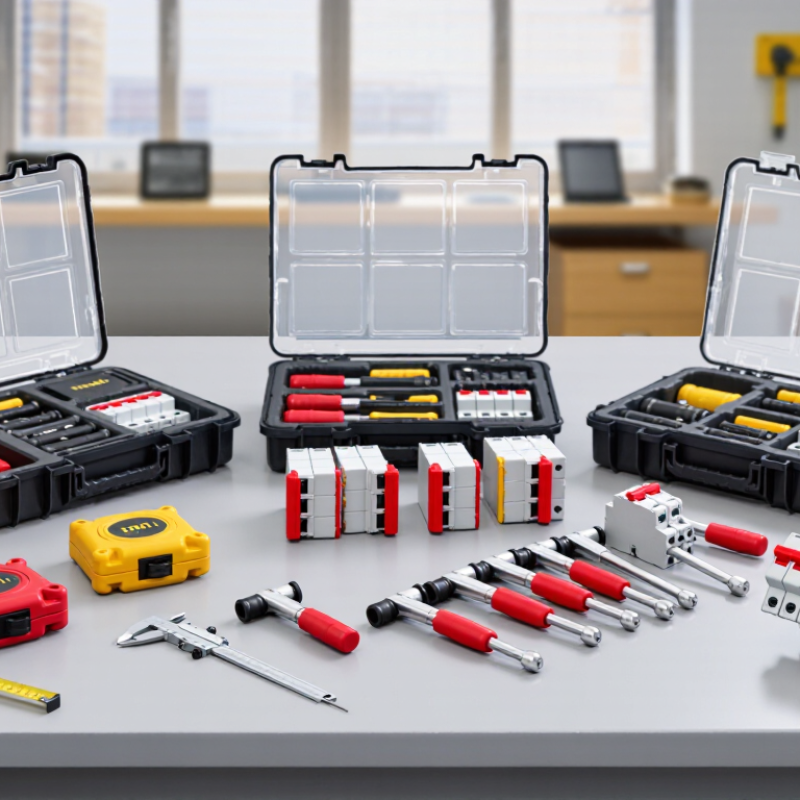
2026 How to Choose the Best MCB Lock Off Kit for Buyers

What an MCB Lock Off Kit Is and How It Works

An MCB lock-off kit is a small device that holds a miniature circuit breaker in its OFF position during maintenance. A typical kit uses a clamp or fitted block, a tightening screw, and a padlock point. Some kits also include warning labels. The exact design varies, so check the breaker’s shape and dimensions before choosing one. That matters.

To use a compatible device, an authorized worker switches the breaker off, fits the lock-off component as instructed, and secures it with a personal padlock and clear identification. The device helps prevent someone from switching the breaker back on accidentally. It does not prove that a circuit is dead, or isolate other possible power sources. A competent person must verify the absence of voltage with suitable test equipment. Small distinction. Big consequence.

For buyers, check the breaker type, toggle profile, available panel clearance, and the kit’s stated fit range. A clamp that feels loose on the switch is not dependable protection. Review the installation instructions and material specifications, especially if the kit will be used in dusty or damp areas. I would not rely on a product photo alone; dimensions and a trial fit tell you more. Even a well-made lock-off kit works only as part of a documented isolation procedure.

How to Identify the MCB Type and Size You Need

Before choosing an MCB lock-off kit, identify the breaker from its front markings and handle shape. Look for its rated current, such as 16 A, and its trip curve, often marked B, C, or D. These details describe electrical characteristics, not the handle’s physical size. Easy to confuse.

Check how many poles the MCB has and whether its toggle is narrow, wide, recessed, or joined to another handle. A single-pole breaker may need a different locking method from a linked, multi-pole unit. With the panel safely isolated, compare the handle width and thickness with the kit’s stated compatibility range. A ruler helps, but do not remove a cover or touch exposed wiring to take measurements.

Also note the breaker’s make and model, then confirm the kit’s fit against the product documentation. Small differences matter: a clamp can slip on a tapered toggle, while a bulky device may block neighboring breakers. Do not guess from the current rating alone. If markings are worn or the handle style is unclear, ask a qualified electrician to identify it. I have seen assumptions waste time; checking the exact fit is less exciting, but more dependable.

Which Safety and Compliance Features to Check

When choosing an MCB lock off kit, check that its devices fit the breaker types and handle shapes in your panels. A universal claim is not enough. Ask for a compatibility chart, then compare it with the equipment on site. Fit matters. A loose clamp may shift when someone pulls the handle or closes a panel door.

Review the kit’s safety instructions, lock points, and space for identification tags. Each device should hold a personal padlock securely and make the breaker’s locked status easy to see. Check that labels remain readable in low light and resist ordinary wear. Small details matter. Confirm the manufacturer’s stated material limits, including temperature and chemical exposure, against your workplace conditions. Requirements differ by location, so verify applicable workplace rules and internal procedures with a qualified safety professional.

A lock off device does not prove that a circuit is de-energized. Procedures should include isolation checks and verification with suitable test equipment by trained personnel. This distinction is easy to overlook. Before buying, inspect a sample on the actual breaker, with the panel door closed. Record any awkward fit, unclear instruction, or interference with adjacent controls. A kit may look complete in a catalog and still be frustrating in daily use. That is worth questioning.

2026 How to Choose the Best MCB Lock Off Kit for Buyers - Which Safety and Compliance Features to Check

Buyer Check What to Verify Suitable Buying Criterion Evidence to Request or Inspect
Breaker compatibility MCB manufacturers and models differ in toggle shape, dimensions, spacing, and available clearance. Choose devices explicitly stated to fit the exact breaker models and handle configurations at the site. Do not rely on “universal” wording alone. Compatibility list, dimensional range, and a physical fit check on a representative breaker.
Lockout method Devices may attach using a screw, clamp, pin, or another mechanism, depending on the breaker design. The installed device should prevent operation of the breaker handle and remain secure when tested according to its instructions. Manufacturer instructions and a hands-on fit and retention test on the intended breaker.
Padlock compatibility Padlocks vary in shackle diameter, clearance, and usable shackle length. Confirm the lockout opening accepts the site’s approved safety padlocks and allows the shackle to close fully. Specified opening dimensions or a physical check with the actual padlock model used at the site.
Group lockout A single lockout point may not accommodate multiple workers’ personal locks. Where multiple workers need individual control, include a compatible hasp or group lockout arrangement that provides a separate lock position for each worker. Number of usable lock positions and confirmation that all locks can be fitted without interfering with the device.
Accidental release prevention Check whether the device can be dislodged, loosened, or removed while the padlock is applied. The locked assembly should resist removal without the authorized key or the procedure specified by the device design. Product instructions and a practical installation check; do not modify the device to make it fit.
Identification and warning Lockout devices may have a tag attachment point or an area for a warning tag. Provide a clear way to identify the person responsible and communicate that the breaker must not be operated, in line with site procedures. Tag attachment feature, readable tag material, and space for the information required by the site’s lockout procedure.
Materials and environment Material suitability depends on the installation environment and the product’s stated limits. Check resistance and operating limits relevant to the site, such as moisture, dust, chemicals, temperature, or outdoor exposure. Published material and environmental specifications. Avoid assuming a device is suitable for a condition not listed by its supplier.
Electrical safety scope A mechanical lockout device is not a voltage detector and does not prove that a circuit is de-energized. Use the kit as part of a full isolation procedure, including verification of absence of voltage where required by the applicable procedure. Site electrical safety procedure and appropriate test equipment; confirm the lockout kit’s intended use in its instructions.
Compliance documentation Legal requirements depend on the country, workplace, and task. A product claim alone does not establish compliance of the entire work process. Check that the workplace lockout procedure meets applicable local regulations and that the selected device is used as instructed. Current product documentation and review by the site’s safety or electrical-responsible person. For example, U.S. workplaces should assess applicable OSHA lockout/tagout requirements.
Kit contents Kits can differ in the number and types of breaker lockouts, padlocks, hasps, tags, and storage items supplied. Match the contents to the breaker inventory, number of authorized workers, and site procedure; purchase missing items separately if needed. Itemized contents list, quantities, and confirmation that each component is compatible with the intended setup.
Instructions and training Correct application and removal depend on the product design and the site’s isolation procedure. Ensure authorized workers can identify the correct device, apply it securely, and follow the required verification and release steps. Clear instructions and documented site training appropriate to the workers’ roles and applicable requirements.

Note: MCB lockout kits help prevent operation of a breaker but do not, by themselves, isolate every energy source or verify that electrical equipment is safe to work on. Confirm breaker fit, follow the product instructions, and apply the workplace’s approved isolation procedure.

How to Compare Kit Components, Materials, and Ease of Use

A good MCB lock-off kit should match the breakers you actually need to secure. Compare its devices with the breaker’s toggle shape, width, and available clearance. A universal-looking fit is not proof of compatibility. Check the product specifications, then test the device on an isolated breaker before relying on it.

Inspect the materials as well as the component count. A tough insulating body can help reduce accidental contact, while metal parts should feel solid and resist corrosion. Look for clear labels, durable tags, and padlocks that remain easy to operate with gloves. Small details count. If a kit includes several adapters, confirm that each one has a defined use; extra pieces can create confusion rather than value.

Ease of use matters during a real maintenance task, when lighting may be poor and access restricted. Try fitting and removing the lockout without forcing the breaker handle. A kit that slips, blocks nearby breakers, or needs an awkward tool may be unsuitable. I would not judge it from a product photo alone. Most importantly, a lock-off device does not prove that a circuit is de-energized. A qualified person must follow the site’s isolation procedure and verify the absence of voltage with suitable test equipment. One limitation is easy to overlook.

2026: How to Choose the Best MCB Lock Off Kit

Compare kit components, materials, and ease of use using these illustrative buyer-priority scores. Ratings are a selection guide, not results from product testing.

Score scale: 1 = lower priority; 5 = higher priority. Check device compatibility, included lockout components, material suitability, and the manufacturer’s instructions before purchase.

How to Verify Compatibility Before Buying an MCB Lock Off Kit

Compatibility starts with the breaker, not the kit’s packaging. Record the MCB’s manufacturer, series, pole count, and handle dimensions. Check whether the lockout grips the toggle, clamps around it, or attaches through a small hole. These details matter. Two breakers with similar widths may have different handle shapes or clearances. Measure the available space beside the toggle and inside the panel cover. A bulky device may fit the breaker but prevent the cover from closing.

Compare those measurements with the kit’s stated range and installation instructions. Look for supported toggle widths, single- or multi-pole configurations, and any limits on breaker style. Check the locking point too: a padlock may need room to hang without pressing against nearby wiring or another breaker. Photos can help, but they do not replace model identification. If specifications are missing, ask the supplier for written confirmation before ordering. Guessing is tempting. It is not a compatibility check.

When the kit arrives, verify the part against the instructions before use. A fit test should follow the manufacturer’s procedure, with the circuit safely isolated by a qualified person. A lockout device prevents operation; it does not prove that a circuit is de-energized. If the clamp sits crooked, slips, or blocks adjacent controls, stop and reassess. A small mismatch can become a serious problem during maintenance.

NEW JERSEY

Location

Union Tool & Mold is a mold making, repair and plastic injection molding company located in central New Jersey.
(973) 763-6611

220 Rutgers St, Maplewood, NJ 07040
ACCREDITED

Certified Company


SOCIAL PROFILE

Let’s Connect

We invite you to engage with us on LinkedIn, where you can stay updated on our latest news, insights, and professional opportunities.