Top 10 Glass Window Types Buyers Need to Know

Choosing a Glass Window is not just a style decision. The right type can affect daylight, ventilation, privacy, comfort, and maintenance. A broad picture window may brighten a dim living room, while an awning window can admit fresh air during light rain. Small details matter, too. Frame material, glass thickness, hardware, and installation quality all influence how a window performs over time.

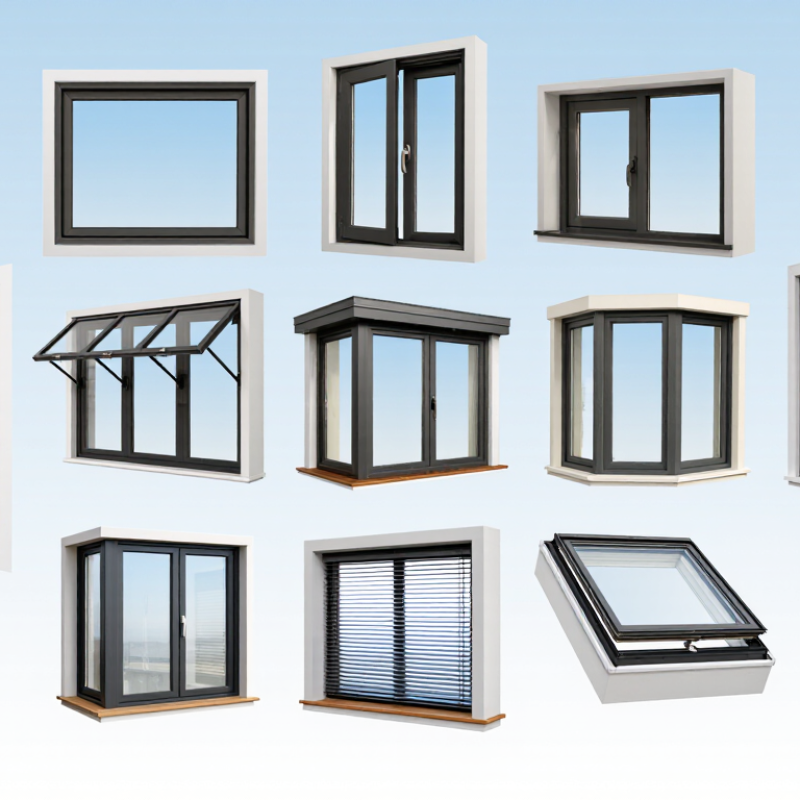
This guide introduces ten common glass window types buyers are likely to encounter. It explains how each design opens, where it may work well, and what trade-offs deserve attention. Some windows prioritize clear views; others offer stronger ventilation or better control over privacy. No type is ideal for every room. That sounds obvious, but it is easy to overlook when a showroom display looks perfect.

Think about the room’s exposure, local climate, cleaning access, and everyday use before comparing options. A large fixed unit might suit a quiet wall, but it will not provide ventilation. A sliding design can save space, though its tracks need regular cleaning. Even familiar terms can vary between manufacturers, so confirm dimensions, glazing details, and performance ratings in product documentation. Ask questions. Measure twice. The sections ahead offer a practical starting point, not a substitute for project-specific advice. With clear expectations, buyers can compare designs more confidently and choose windows that suit both the building and the people using it.
Top 10 Glass Window Types Buyers Need to Know

How Glass Window Types Differ by Structure, Safety, and Performance

Window glass is described by both its construction and its treatment, so categories can overlap. A single-pane window uses one sheet; double- and triple-pane units add sealed air spaces that can reduce heat transfer and outside noise. More panes also add weight and may require a stronger frame. The categories overlap. An insulated unit, for example, can also use Low-E glass.

Safety depends on how glass behaves when damaged. Tempered glass is heat-treated and typically breaks into smaller pieces, while laminated glass has a plastic interlayer that can hold fragments together. Neither choice makes a window indestructible. Check the intended location and applicable building requirements with a qualified professional. Wired glass is another distinct construction, but its presence alone does not establish that a window is suitable for a particular safety application.

Performance features affect light, heat, privacy, and comfort. Low-E coatings help limit heat transfer; tinted glass can reduce glare and solar gain, though it may also dim a room. Obscured glass softens views while admitting daylight. Acoustic laminated glazing can help reduce traffic noise, but results depend on the full window assembly and installation. I would not choose by appearance alone. A pale tint can look subtle in a sample and feel quite dark across a large window. Ask for performance data suited to your climate, orientation, and room use.

The 10 Main Glass Window Types Buyers Should Know

Fixed windows do not open, but their sealed edges can reduce drafts and frame a clear view. Single-hung windows open at the bottom; double-hung models let both sashes move. Casement windows crank outward, while awning windows hinge at the top and open outward. These designs can direct breezes indoors. Sliding windows move horizontally, which suits wide openings with limited clearance. Tilt-and-turn windows tilt inward for ventilation or swing open for cleaning. Their hardware needs careful adjustment.

Bay windows project outward, often combining a central picture window with two angled units. Bow windows use several panels to create a gentler curve. Picture windows stay fixed and suit bright rooms where ventilation comes from another opening. Glass matters too: double-pane units can improve insulation, while coatings and frame quality affect comfort. A good-looking style is not always the best fit; room layout and exposure matter.

Tips: Check how each sash opens before measuring furniture clearance. For a sunny west-facing room, compare heat-control glazing options. Inspect corner seals and ask how the window drains after rain. Small details count. I would not choose by appearance alone.

Top 10 Glass Window Types Buyers Need to Know

Typical glass-pane count in common window glass constructions

Pane count refers to the typical glass construction shown, not the window frame. Tempered, tinted, and reflective glass can also be used in multi-pane units. Actual specifications vary by product.

How Each Glass Type Affects Light, Privacy, and Energy Use

Glass affects more than the view. Clear glass admits abundant daylight, but offers little privacy and can allow unwanted heat gain. Low-E glass uses a thin coating to reduce heat transfer while preserving much of the visible light. Its effect depends on the coating and climate. Tinted glass can soften glare and sunlight, though it may make indoor colors look muted. Reflective glass adds daytime privacy, but that effect can reverse after dark when interior lights are on.

Frosted and patterned glass blur details while still passing light, making them useful near entryways or bathrooms. Laminated glass has a plastic interlayer that holds cracked pieces together and can reduce some outside noise. It is not soundproof. Double- and triple-glazed units use sealed air or gas spaces to slow heat flow; extra panes may also reduce light and add weight. Solar-control glass limits some solar energy, which can help in sunny rooms but may leave them less bright.

Compare visible light transmittance, U-factor, and solar heat gain coefficient when reviewing specifications. These figures help, but they cannot show exactly how a room will feel. Window direction, shade, frame, and seals matter too. A small sample may look clear in a showroom and noticeably darker at home. It is worth checking a sample beside the actual window before deciding.

Top 10 Glass Window Types Buyers Need to Know — How Each Glass Type Affects Light, Privacy, and Energy Use
Glass Type How It Affects Light Privacy Energy Use Common Uses and Considerations
Clear Float Glass Offers a clear, neutral view and allows abundant daylight. Provides little privacy; interior spaces are generally visible from outside when lighting conditions allow. By itself, it offers limited insulation and does not selectively control solar heat. Performance depends on thickness and window construction. Common in standard windows and doors. Consider an insulated glazing unit or suitable shading where comfort and energy performance matter.
Low-E Glass Usually remains visually clear, though light transmission and appearance vary with the coating. Typically offers little privacy unless combined with a tint, pattern, or other privacy treatment. A microscopically thin coating helps limit heat transfer. Depending on the coating and climate, it can help retain indoor heat or reduce unwanted solar heat gain. Often used in insulated glazing units. Compare the product’s whole-window ratings and coating specification, not the “Low-E” label alone.
Tinted Glass Reduces visible light; the amount and color depend on the tint. Can make it harder to see inside during bright daytime conditions, but is not dependable privacy glass at night when interiors are lit. Can reduce solar heat gain, but also reduces daylight. The balance depends on tint, glass construction, orientation, and climate. Used where glare or strong sunlight is a concern. Check visible light and solar-control specifications before choosing a darker tint.
Reflective Glass Reflects some light and can create a mirror-like exterior appearance in bright conditions. Privacy is lighting-dependent: the brighter side tends to appear more reflective. It does not ensure privacy after dark. Some products reduce solar heat gain, but performance varies by coating and glazing assembly. Used in some commercial façades and sun-exposed locations. Consider glare, exterior appearance, and nighttime privacy needs.
Frosted or Acid-Etched Glass Diffuses daylight and obscures a direct view while still allowing light through. Provides visual screening; the level depends on the finish and can vary with distance and lighting. Surface treatment alone does not substantially improve insulation or solar control. Suitable for bathrooms, sidelights, and interior partitions. Pair with energy-efficient glazing if thermal performance is also needed.
Patterned or Textured Glass Transmits and scatters light; patterns can soften views and create decorative effects. Obscures views to varying degrees, depending on the pattern, orientation, and viewing distance. The pattern itself generally does not provide meaningful thermal insulation; coatings and glazing construction determine energy performance. Used for decorative windows, doors, and privacy screens. Review a full-size sample because patterns can look different in daylight.
Laminated Glass Can be clear or combined with tinted, coated, or decorative glass; the interlayer may slightly affect appearance. Clear laminated glass does not provide privacy unless a translucent or opaque interlayer is specified. Lamination alone is not a substitute for insulated glazing. It can help reduce some outside noise, depending on the glass and assembly. A polymer interlayer holds fragments together if the glass breaks and can help block much of the UV transmission. Used for safety, security, and sound-control applications.
Tempered Glass Usually has a clear appearance similar to comparable untreated glass. Provides no added privacy unless it is also tinted, patterned, or otherwise treated. Tempering does not by itself improve insulation or solar control. Heat-treated for greater resistance to impact and thermal stress than comparable annealed glass; when it breaks, it generally fractures into small pieces. Required in certain hazardous locations under applicable codes.
Insulating Glass Unit (Double- or Triple-Glazed) Usually provides a clear view, though extra panes and coatings can slightly affect appearance and light transmission. Does not inherently provide privacy; privacy depends on the glass type or an added treatment. Sealed spaces between panes reduce heat transfer compared with single glazing. Low-E coatings and gas fills can further affect performance. Specify the complete unit, including pane count, spacer, coatings, and ratings. Performance depends on the whole window, frame, installation, and climate.
Electrochromic (Switchable-Tint) Glass Changes tint electronically, allowing users to adjust transmitted daylight and glare within the product’s range. Can reduce visibility when tinted, but should not be treated as guaranteed privacy glass unless the product is designed for that purpose. Adjustable tint can help manage solar heat and glare; actual energy savings depend on controls, orientation, climate, and building operation. Used in projects needing adjustable daylight control. Consider cost, controls, switching behavior, and the product’s specified optical and thermal ratings.
Buyer note: Light transmission, solar heat gain, and insulation vary by product and complete window assembly. Compare independently documented performance ratings for the specific window, and check local building and safety requirements.

Which Glass Window Types Suit Different Rooms and Climates

A window that feels comfortable in one room may be wrong for another. In cold climates, double glazing with low-emissivity coatings helps slow heat loss; triple glazing can add comfort during long winters. In hot, sunny rooms, solar-control glass can reduce glare and heat gain. Orientation matters: west-facing windows often take harsh afternoon sun.

Bathrooms and street-facing bedrooms benefit from obscure glass, which softens views while admitting daylight. For doors or low windows, tempered glass is designed to break into smaller pieces if damaged. Laminated glass holds fragments together and can also help reduce outside noise. Privacy matters. Kitchens may need easy-clean surfaces, but coatings can affect the look of daylight.

For mixed climates, insulated glass units offer a practical balance, though the right choice depends on the frame and installation. Check the window’s U-factor and solar heat gain coefficient, not just the glass label. In humid rooms, warm indoor air can still condense on cold frames or edges. Small detail, real annoyance. A common mistake is choosing the darkest tint for comfort; it may dim a room without fixing poor shading. Compare room exposure, ventilation, and local climate before deciding.

What to Check Before Choosing or Replacing Window Glass

Top 10 Glass Window Types Buyers Need to Know
What to Check Before Choosing or Replacing Window Glass

Choosing replacement glass starts with the room, not the product label. Check the existing frame, pane thickness, glass condition, and window orientation. South- and west-facing rooms often receive stronger sun, so solar heat gain matters. The U.S. Department of Energy’s Energy Saver guidance estimates that windows account for about 25–30% of home heating and cooling energy use. That makes glass performance worth checking, though the frame and installation also affect results.

Tips: Compare U-factor, solar heat gain coefficient, and visible transmittance. Lower U-factor generally means less heat transfer; the right solar heat gain depends on climate and shading. Ask a qualified glazier to confirm measurements and whether tempered or laminated safety glass is required for the location. Check for fogging between panes, too. It can signal a failed seal, but replacing only the glass may not solve a damaged frame.

Before choosing clear, low-emissivity, tinted, laminated, or double-pane glass, consider daylight, privacy, noise, and safety needs together. A darker pane may reduce glare, yet make a room feel dim. That trade-off is easy to overlook. Request product performance figures and installation details in writing, then compare options on the same rating basis. A perfect specification can still disappoint if the frame leaks air or the glass is fitted poorly.

NEW JERSEY

Location

Union Tool & Mold is a mold making, repair and plastic injection molding company located in central New Jersey.
(973) 763-6611

220 Rutgers St, Maplewood, NJ 07040
ACCREDITED

Certified Company


SOCIAL PROFILE

Let’s Connect

We invite you to engage with us on LinkedIn, where you can stay updated on our latest news, insights, and professional opportunities.