Top 10 Fass Fuel Heater Buying Questions Answered?
A cold morning can expose weaknesses in a diesel fuel setup: slow starts, restricted flow, or a filter that needs attention. Choosing a Fass Fuel Heater is not just a matter of picking a model. Fit, electrical demand, fuel type, installation, and maintenance all deserve a closer look. Small details matter.
The U.S. Department of Energy’s Alternative Fuels Data Center and NREL’s Biodiesel Handling and Use Guide explain why cold-weather performance depends partly on fuel properties and blend conditions. NREL fuel researcher Robert McCormick’s published work offers a useful takeaway: cold-flow behavior varies with fuel composition and operating conditions. This is a paraphrase, not a direct quotation. The distinction matters; technical advice should be traceable, not dressed up as a quote.
This guide answers ten practical buying questions, from compatibility and sizing to wiring, upkeep, and realistic performance expectations. It also points out what product specifications can—and cannot—tell you. Check the heater’s documentation against your engine, filter arrangement, and electrical system before buying. A heater cannot correct every fuel or maintenance problem. That caveat is easy to overlook. Use the answers as a starting point, then confirm model-specific details with the manufacturer or a qualified diesel technician.
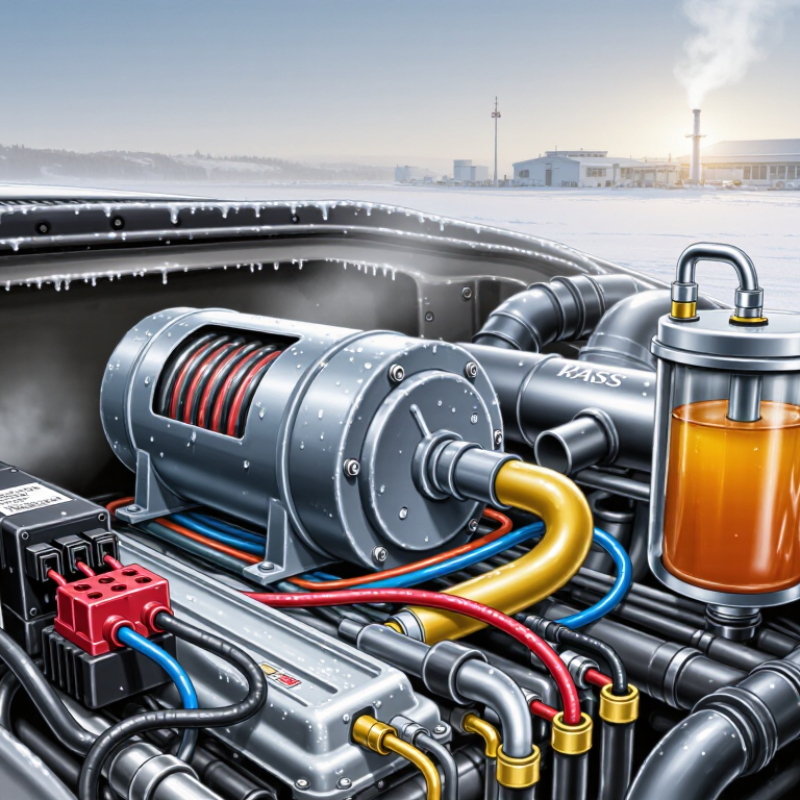
What a FASS Fuel Heater Does and When It Is Useful
A fuel heater warms diesel near the pickup, filter, or supply line, depending on its design. Its purpose is practical: help limit wax buildup and keep fuel moving during cold starts. It does not heat the engine, recharge a weak battery, or remove water. That distinction matters. NREL’s Biodiesel Handling and Use Guide reports that biodiesel cloud points can range from about -3°C to 15°C, depending on feedstock. Cold-flow behavior also varies with the blend and fuel formulation.
A heater is most useful when a vehicle sits outdoors, starts before sunrise, or repeatedly suffers restricted fuel flow in freezing weather. If fuel has already gelled, a small heater may not restore flow quickly; tank temperature and heater placement matter. Check the unit’s voltage, fuse, thermostat, and compatibility with the vehicle’s fuel system. Fuel choice still matters. A heater cannot compensate for unsuitable fuel, a clogged filter, or water contamination.
One caveat: cloud point is not a guaranteed failure temperature. Actual performance depends on exposure, fuel, and system design.
Which FASS Fuel Heater Fits Your Vehicle and Fuel System
Choosing a fuel heater starts with the vehicle, not the coldest temperature on a chart. Check the engine and fuel type, then confirm the heater’s voltage, dimensions, and connector style against the vehicle’s specifications. Small details matter. A unit that fits the available space may still conflict with a fuel line, filter, or mounting bracket.
Next, identify where the heater will sit in the fuel system. Tank-mounted and line-mounted designs can require different fittings and clearances. Measure the installation area, inspect the wiring, and note whether the vehicle already has a filter or heating element. A qualified technician can verify safe placement and electrical load, especially on modified vehicles. Do not assume that similar model years share the same setup.
Cold-weather needs matter, but they do not determine fit by themselves. Consider typical temperatures, fuel flow requirements, and how often the vehicle sits unused. It is tempting to choose the most powerful option; that may not be the best match. Even careful measurements can miss a connector or bracket, so check the vehicle’s service information before ordering. A second check is worth it.
How to Check Heater Compatibility, Capacity, and Power Needs
A fuel heater must match the fuel, mounting space, and plumbing—not just the vehicle type. Check the unit’s approved fuel, hose diameter, port size, and clearance around the tank or filter. Measure the available space, too; a heater that fits on paper may conflict with a bracket or wiring loom. Small detail. Big consequence.
Cold-flow behavior matters when choosing heater capacity. The National Renewable Energy Laboratory’s 2016 Biodiesel Handling and Use Guide lists a cloud point near 0°C for soybean-based biodiesel, while noting that feedstock changes the result. Cloud point is when wax crystals begin forming, so the fuel blend and local minimum temperature should guide your choice. A larger heater is not automatically better. Check its rated flow and intended installation point against the fuel system’s needs.
For electrical fit, compare the heater’s rated voltage and wattage with the vehicle supply and available circuit capacity. For example, a 120-watt heater on a 12-volt system draws about 10 amps, before startup variation. Check fuse, wiring, and relay ratings against the heater instructions. A neat specification sheet can still mislead if the wiring is undersized. Measure twice, then verify the figures with a qualified installer.
What Installation and Safety Requirements Should You Consider
Before fitting a fuel heater, confirm it suits the fuel type, engine, and operating conditions. Read the heater and equipment manuals together; mismatched wiring, fuel pressure, or flow can lead to unreliable operation. Mount the unit securely, away from exhaust heat, moving parts, and places where fuel could collect. Route and protect fuel lines from abrasion, sharp edges, and hot surfaces. If the installation involves unfamiliar wiring or fuel connections, use a qualified technician.
Tips: Disconnect power before wiring. Never check for leaks with an open flame. Use an approved leak-detection method, then inspect connections again after the system has run and cooled.
Safety checks matter after installation, too. Confirm that exhaust gases can vent safely and that nearby materials meet the required clearance in the manual. Keep wiring protected from water and vibration, and make sure any fuse or circuit protection matches the specified rating. A neat-looking setup is not proof of a safe one; hidden line contact can be easy to miss. Recheck clamps, fittings, and line routing during routine maintenance.
How to Compare Price, Warranty, and Maintenance Needs
When comparing fuel-heater prices, make sure each quote covers the same setup. Check the heater, wiring, fittings, control unit, and any temperature sensor. A lower price may exclude parts you need. Ask whether shipping and installation are included, and request an itemized estimate. Small costs add up.
Read the warranty before treating it as a selling point. Compare its length, covered components, and claim process. Check whether installation records or scheduled servicing are required. Ask who handles a claim and whether you pay to ship parts. The details matter. A long warranty can still be inconvenient if exclusions are broad. I would not assume that a warranty covers every failure; the wording needs a careful read.
Maintenance affects the real cost over time. Ask how often filters need inspection or replacement, what routine checks involve, and whether parts are easy to obtain. Look for clear service instructions and realistic maintenance intervals. Keep a simple log. It helps. Also consider where the heater will operate: dust, vibration, and limited access can make basic servicing harder. One imperfect part of comparing options is that future maintenance costs are difficult to predict, so ask for typical parts prices rather than relying on a vague estimate.
Top 10 Fuel Heater Buying Questions Answered
Compare the key details to check before choosing a fuel heater.
Checkpoint counts reflect the questions listed: price (unit cost, shipping, installation), warranty (term, coverage, exclusions, claim process), maintenance (service interval, filter type, replacement availability), and compatibility (fuel, engine, vehicle, installation requirements). Confirm exact specifications with the seller and vehicle documentation.