Top 10 Essential Tips for Effective Prototype Manufacturing Techniques
In the fast-paced world of product development, effective prototype manufacturing techniques are essential for turning innovative ideas into tangible realities. Industry expert Dr. Emily Carter, a leading authority in prototype manufacturing, emphasizes, "The key to successful product development lies in mastering the art of prototyping; it allows us to test our concepts, refine designs, and ultimately bring better products to market." This statement captures the essence of why understanding the nuances of prototype manufacturing is crucial for businesses aiming to remain competitive in today's market.
As companies strive to enhance their product offerings, the importance of honing prototype manufacturing skills cannot be overstated. With the right techniques and strategies, organizations can reduce costs, streamline processes, and accelerate time-to-market. By prioritizing effective prototyping, teams can make informed decisions that lead to improved end products, fostering innovation and ensuring customer satisfaction.
In this article, we will explore the top 10 essential tips for effective prototype manufacturing techniques. These insights aim to provide valuable guidance for professionals seeking to elevate their prototyping efforts, ensuring that their ideas not only come to life but also meet the high standards expected in today's rapidly evolving landscape.

Understanding Prototype Manufacturing: Key Concepts and Techniques
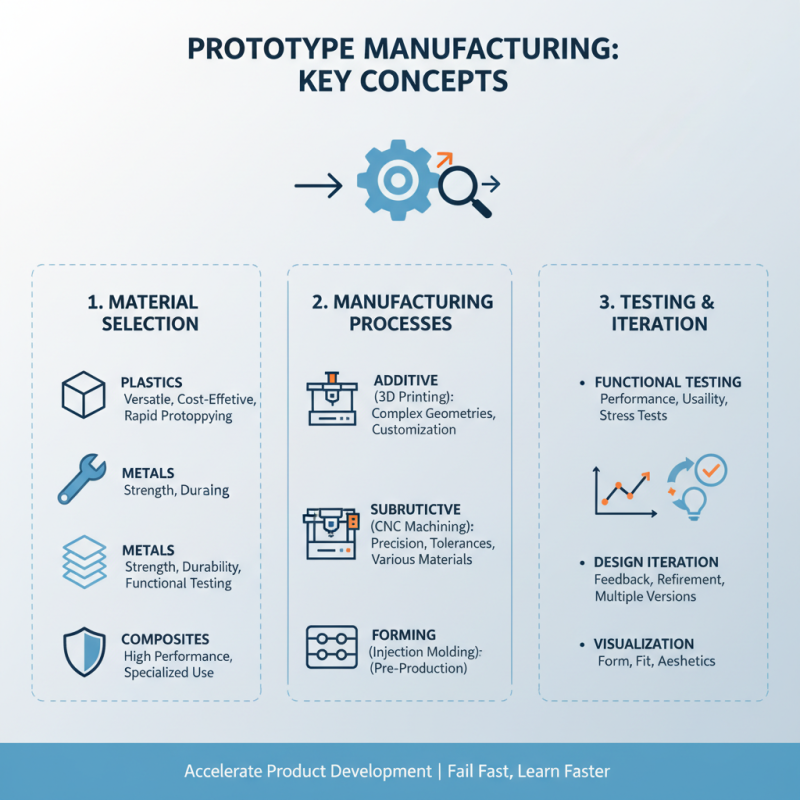
Prototype manufacturing is a crucial phase in product development, allowing designers and engineers to visualize and test their concepts before full-scale production. Understanding key concepts in prototype manufacturing can significantly enhance the efficiency and effectiveness of the design process. One important aspect is the choice of materials. Selecting suitable materials for prototypes can affect the prototype's functionality, durability, and how closely it represents the final product. Whether opting for plastics, metals, or composites, each material offers different benefits that should align with the intended use of the prototype.
Additionally, employing the right manufacturing techniques is vital for achieving high-quality prototypes. Techniques such as additive manufacturing, CNC machining, and injection molding each serve different purposes and are selected based on the prototype's design complexity and functional requirements. For instance, additive manufacturing is ideal for creating intricate designs with reduced waste, while CNC machining offers precision for functional components. Incorporating rapid prototyping methods can also accelerate the design iteration cycle, enabling teams to swiftly transition from concept to physical representation and back for further refinement. By grasping these essential concepts and techniques, teams can optimize their prototype manufacturing processes and ultimately lead to better product outcomes.
Material Selection: The Impact of 3D Printing vs. CNC Machining
When it comes to prototype manufacturing, material selection plays a pivotal role, especially when considering methods like 3D printing and CNC machining. Each technique offers unique advantages influenced by the nature of the materials used. For instance, 3D printing is renowned for its versatility in creating complex geometries using thermoplastics, resins, and metals.
 This flexibility allows designers to experiment with shapes and forms that would be challenging or impossible to achieve through traditional machining processes. Moreover, 3D printing significantly reduces lead times since it can produce components directly from digital models, making it an excellent choice for rapid prototyping.
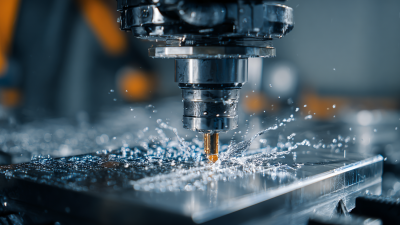
On the other hand, CNC machining tends to excel with materials like metal and certain hard plastics, delivering high precision and superior surface finishes. This method involves subtractive manufacturing, where material is precisely removed to create the desired shape.  While this can lead to longer production timelines compared to 3D printing, the end results often embody robust mechanical properties and durability that are essential for functional prototypes. Ultimately, the decision between 3D printing and CNC machining will hinge on the specific requirements of the project, including design complexity, material characteristics, and the desired functional attributes of the prototype.
Design for Manufacturability: Enhancing Prototyping Efficiency
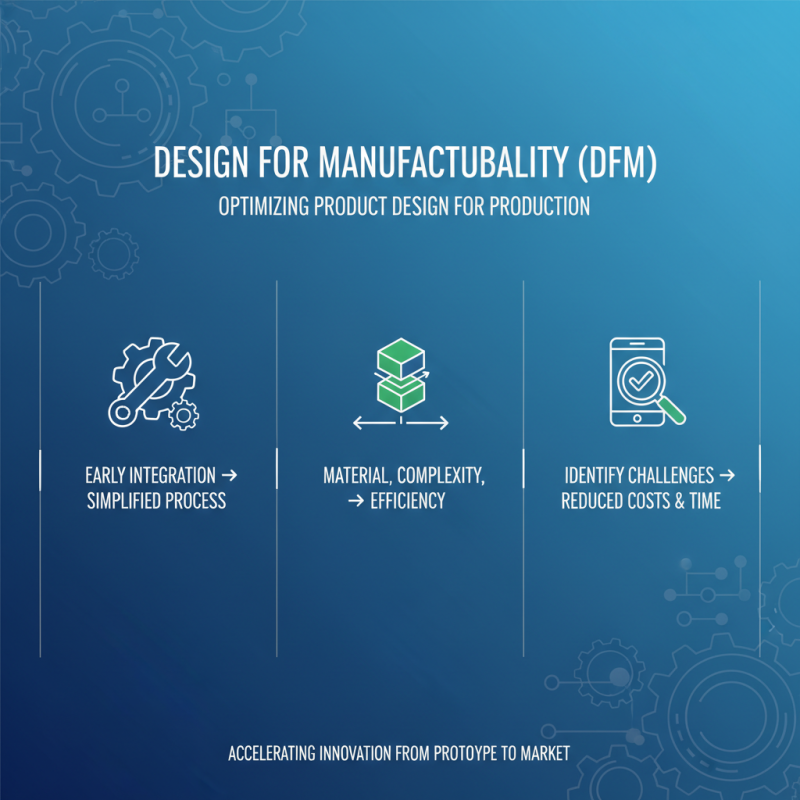
Design for manufacturability (DFM) is a crucial concept in the realm of prototype manufacturing that focuses on optimizing product design with manufacturing processes in mind. By integrating DFM principles early in the design phase, engineers and designers can simplify the production process, thus reducing costs and minimizing time to market. Consideration of material selection, component complexity, and assembly methods can significantly enhance the efficiency of prototyping efforts. A design that considers manufacturability can lead to the identification of potential production challenges, enabling teams to address these issues before they escalate.
Moreover, efficient prototyping not only shortens development cycles but also enhances product quality. By utilizing techniques such as modular design and standardization of parts, designers can create prototypes that are easier to manufacture and assemble. Employing CAD software and rapid prototyping technologies facilitates better visualization and iterative testing of designs, which streamlines modifications based on manufacturing feedback. Ultimately, prioritizing DFM principles ensures that prototypes are not only functional but also feasible and economical, paving the way for successful product launches.
Rapid Prototyping Technologies: Trends and Industry Statistics
Rapid prototyping technologies have gained significant traction in various industries, with the global market expected to reach approximately $2.6 billion by 2028, growing at a compound annual growth rate (CAGR) of around 25.5%. This surge can be attributed to advancements in 3D printing, computer-aided design (CAD), and additive manufacturing processes that enhance efficiency and reduce lead times. In sectors ranging from automotive to healthcare, companies are leveraging these technologies to create more accurate and sophisticated prototypes, allowing for better product development and faster time-to-market.
One crucial tip for effective prototype manufacturing is to select the right materials. Different prototyping methods require specific types of materials, and understanding their properties can greatly influence the final product's performance. For example, while plastic may suffice for initial models, metal or composite materials may be necessary for functional testing. Additionally, embracing iterative design processes enhances flexibility, enabling designers to refine their prototypes based on user feedback and testing results rapidly.
Furthermore, keeping abreast of the latest industry statistics and trends is essential for staying competitive. Reports indicate that over 60% of organizations now prioritize prototyping in their product development strategies. By adopting a data-driven approach and utilizing performance metrics, businesses can identify potential inefficiencies and areas for improvement in their prototyping processes, ultimately resulting in higher quality products and increased customer satisfaction.
Quality Assurance in Prototyping: Metrics and Best Practices
Quality assurance is a critical aspect of prototype manufacturing that ensures the final product meets design specifications and stakeholder expectations. According to a recent industry report by the National Institute of Standards and Technology (NIST), the cost of poor quality in prototyping can account for up to 30% of the total project expenses. Implementing robust quality metrics is essential to mitigate these costs, as it allows manufacturers to identify defects early in the process, ensuring that prototypes serve their intended purpose as effective testing models.
Best practices in quality assurance include rigorous testing protocols, such as dimensional accuracy checks and material integrity assessments. A study published in the Journal of Quality in Manufacturing highlights the importance of key performance indicators (KPIs) that can provide insight into the prototyping process. Metrics such as first-pass yield and defect rates enable manufacturers to streamline processes and improve quality outcomes. By focusing on these quantifiable metrics, teams can enhance their workflow and reduce rework, ultimately leading to more successful prototype iterations and faster time-to-market.