Best Ammonium Sulfate Nitrogen Supplier in China?
Choosing the best Ammonium Sulfate Nitrogen supplier in China takes more than comparing prices. Buyers should examine product specifications, batch consistency, packaging, delivery records, and the supplier’s ability to answer technical questions. A clear product data sheet should state nitrogen and sulfur content, moisture limits, particle form, and any relevant handling guidance. Ask for recent test results and confirm that documents match the specific product being offered. Details matter.
Reliable supply is practical, not just persuasive. A sample may look clean and uniform, yet performance across larger shipments is what counts. Check how the supplier handles quality checks, production changes, export packaging, and delivery delays. Request references where appropriate, and clarify order quantities, lead times, and communication channels before committing. These steps cannot remove every risk. They can reveal gaps.
This guide outlines how to assess Chinese suppliers of Ammonium Sulfate Nitrogen using evidence rather than broad claims. It also considers questions buyers can ask about product fit, documentation, logistics, and after-sales support. There is no single supplier that suits every farm, distributor, or industrial user. The right choice depends on specifications, destination, order size, and service needs. Even a careful review can miss something; that is a reason to verify details, not to trust polished promises.
What Is Ammonium Sulfate Nitrogen Fertilizer?
Ammonium sulfate is a nitrogen-and-sulfur fertilizer with the formula (NH₄)₂SO₄. The Sulphur Institute’s fertilizer-material data lists a typical grade of 21% nitrogen and 24% sulfur. In practical terms, 100 kilograms of product supplies about 21 kilograms of nitrogen and 24 kilograms of sulfur. Check the product label, since grades and granule sizes can vary. The crystals or granules dissolve in water, making both nutrients available in the soil.
The nitrogen is in ammonium form, while the sulfur is supplied as sulfate. Soil microbes can convert ammonium into nitrate, and that process can contribute to soil acidification over time. Not magic. A soil test helps determine whether the crop needs both nutrients; adding sulfur where it is not deficient may offer little benefit. Ammonium sulfate can be useful for crops with meaningful sulfur demand, but it is not a complete fertilizer because it supplies neither phosphorus nor potassium. Application rate, soil conditions, and crop stage matter. I would not choose it by nitrogen percentage alone.
How Is Ammonium Sulfate Produced and Quality Tested?
Ammonium sulfate can be made by neutralizing ammonia with sulfuric acid, then crystallizing, separating, and drying the resulting salt. It is also recovered from certain industrial processes, including caprolactam production and coke-oven operations. The source and purification steps can affect color, crystal size, moisture, and trace impurities. Drying matters: damp crystals may cake during storage. Small details count.
Quality checks should go beyond appearance. A common fertilizer grade contains about 21% nitrogen, which laboratories can verify using a validated nitrogen-analysis method. Moisture is measured by controlled drying, while free acidity can be checked by titration. Sieve testing shows whether particle sizes match the product specification. Where relevant, laboratories also assess contaminants against applicable requirements. A bright, even crystal looks reassuring, but appearance alone proves little. Representative sampling is easy to overlook; a perfect certificate cannot correct a poorly collected sample. Compare the test report with the stated grade, methods, and batch number, and consider independent testing when results matter.
What Criteria Define a Reliable Chinese Supplier?
A reliable Chinese ammonium sulfate supplier should be judged by evidence, not a polished website. Request a current product specification, safety data sheet, and batch-specific certificate of analysis. Check nitrogen content, moisture, free acidity, particle size, and the test methods used. Values should match the agreed grade and shipment documents. Small differences matter. Granules that cake in a damp warehouse can slow spreading, even when the assay looks sound. Ask for a recent sample and compare it with the written specification before placing a large order. Confirm production capacity, packaging options, loading port, lead time, and how complaints are investigated. Ask whether test results can be traced to each lot.
Tips: Record agreed specifications in writing. For a first shipment, consider independent inspection before loading.
Communication is another useful measure. A dependable supplier should answer technical questions clearly and explain any variation between batches. Check whether packaging suits your storage conditions, such as moisture-resistant bags for humid routes. It is tempting to treat a neat certificate as certainty, but paperwork cannot replace checking the delivered material. No checklist removes every risk; an unusually low quote deserves careful questions, not an instant judgment.
How Can Buyers Compare Supplier Products and Services?
Buyers comparing ammonium sulfate suppliers should look beyond the quoted price. Ask for a current product specification showing nitrogen content, moisture, particle size, and free acidity. Values can vary by grade and production batch, so request a certificate of analysis for the actual shipment, not only a general brochure. Check the test date and laboratory details. Small differences matter.
Physical quality affects storage and field handling. Ask whether granules are screened for size consistency and whether the product is prone to caking. Request a sample in the same packaging used for delivery; inspect it for dust and broken granules. A quick visual check is useful, but it cannot replace laboratory testing. Consider an independent test when a large order is involved.
Service deserves equal attention. Compare packaging options, loading capacity, lead times, and the supplier’s process for handling damaged bags or delayed shipments. Ask for clear answers about shipment documents and batch traceability. A useful reply should include specific dates and records, not vague promises. Check how quickly questions are answered. That matters. One detail is easy to miss: confirm that quoted specifications and delivery terms appear in the written order.
What Should Importers Verify Before Placing an Order?
Best Ammonium Sulfate Nitrogen Supplier in China?
What Should Importers Verify Before Placing an Order?
A supplier’s headline price tells only part of the story. Check the guaranteed nitrogen and sulfur content, moisture limit, particle size, and batch-to-batch tolerances. Ammonium sulfate is commonly sold at about 21% nitrogen and 24% sulfur, but confirm the actual product specification in writing. The International Fertilizer Association’s 2024 Medium-Term Fertilizer Outlook estimated global fertilizer consumption at 192.5 million tonnes of nutrients for 2023/24. That scale makes consistent documentation and traceable batches important. Ask for a recent certificate of analysis, then compare it with an independent pre-shipment test. A polished certificate can still describe a different batch; that is an awkward but real gap.
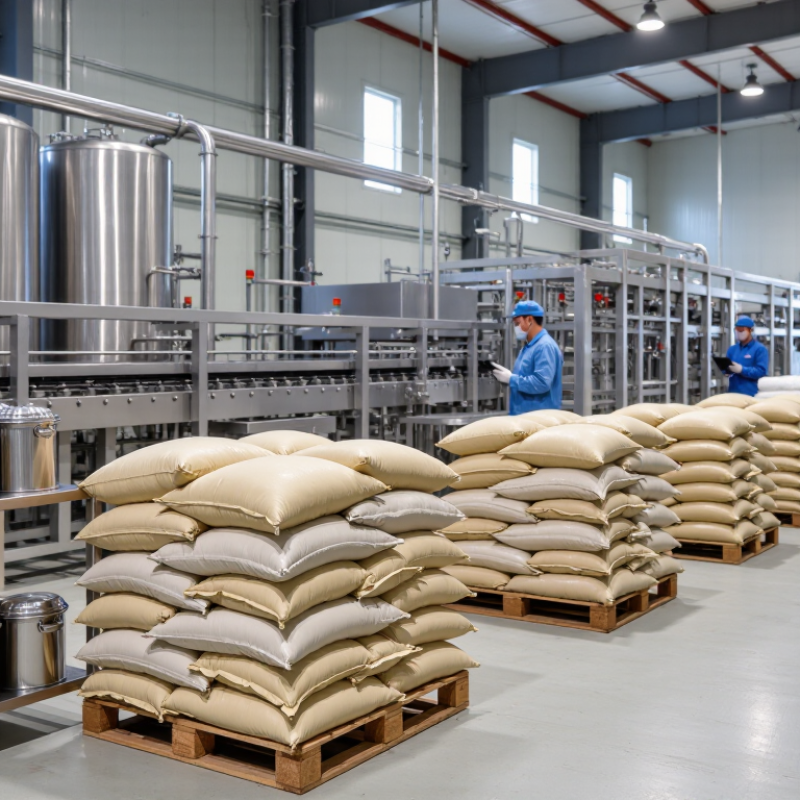
Tips: Request photos of the actual packed goods, not only a catalogue image. Confirm bag weight, packaging material, loading method, and whether the quoted price includes inspection. Ask how the supplier handles out-of-specification results. Get the answer in writing.
Check production capacity against your requested volume and delivery window. Request the manufacturing date, lot number, and storage guidance, especially if the goods may face humid conditions. Verify export documents and agree on inspection, sampling, payment, and claims procedures before placing the order. A small trial shipment can reveal packing or handling issues, though it cannot guarantee every future batch. Compare suppliers using the same specification and delivery terms, not price alone.
Best Ammonium Sulfate Nitrogen Supplier in China? What Should Importers Verify Before Placing an Order?
Theoretical nutrient composition of pure ammonium sulfate, calculated from its chemical formula, (NH₄)₂SO₄.
Importer checklist: Compare the batch certificate of analysis with the contracted nitrogen assay, and verify moisture, free acidity, particle size, and test methods. The values shown are theoretical; commercial product specifications and test results can vary, so confirm them for each shipment.