China Best NBR Seal Kit Manufacturer Where to Buy?

Finding the best NBR Seal Kit manufacturer in China requires more than comparing prices. Buyers should examine material quality, manufacturing experience, testing procedures, and after-sales support. Nitrile rubber seals are commonly used in hydraulic cylinders, pneumatic equipment, pumps, and industrial machinery. Their resistance to oils and many fuels makes them practical, but performance still depends on compound quality and operating conditions.

A reliable supplier should explain its NBR formulation, hardness range, temperature limits, and dimensional tolerances. Ask for inspection reports, production samples, and traceable quality records. Certifications can support credibility, but they should not replace direct product evaluation. A serious manufacturer may also offer custom sizes, repair kits, packaging options, and engineering assistance for unusual applications.

Where should you buy? Consider established Chinese factories with verifiable facilities, responsive technical teams, and consistent export experience. Review sample seals carefully. Check their surface finish, elasticity, edge accuracy, and resistance after exposure to the intended fluid. Small details matter.

No supplier is perfect.

Communication can still fail, especially when drawings lack tolerances or material requirements. Buyers should confirm every specification in writing before placing an order. It is also wise to compare at least three manufacturers instead of trusting the lowest quotation. A dependable NBR Seal Kit partner should provide realistic lead times, transparent payment terms, and practical solutions when problems appear. This guide will help you assess Chinese manufacturers more carefully and choose a purchasing source based on evidence, not promises.

China Best NBR Seal Kit Manufacturer Where to Buy?

What Is an NBR Seal Kit and Where Is It Commonly Used?

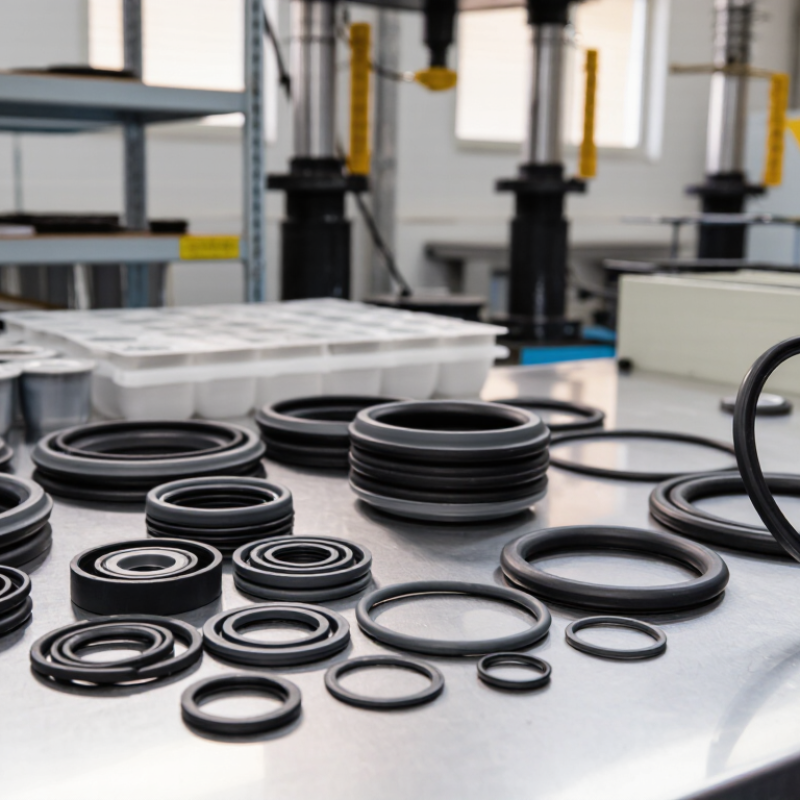
An NBR seal kit contains replacement seals made from nitrile rubber. It usually includes O-rings, rod seals, piston seals, and backup rings. NBR performs well against mineral oils, hydraulic fluids, and greases. It also offers practical abrasion resistance for demanding equipment.

These kits are common in hydraulic cylinders, pneumatic valves, pumps, compressors, and automotive service systems. Construction machinery often uses them around moving rods and pressurized chambers. Typical working temperatures range from about -30°C to 100°C, depending on the compound and application. A seal may look correct but still fail when the fluid or temperature is unsuitable. I have seen small sizing errors cause leakage within days.

Where should you buy an NBR seal kit? Choose a qualified seal manufacturer, an authorized industrial distributor, or a hydraulic repair supplier with technical support. Provide the equipment model, seal dimensions, fluid type, pressure, and operating temperature. Reliable sellers should offer material data, measurement guidance, and traceable quality information. A low price is not useful if the kit lacks the correct hardness or profile.

Tips: Measure the old seal carefully, but do not copy a damaged shape blindly. Clean the groove before installation. Check for scratches, swelling, or hardened rubber. In some cases, NBR is the wrong material, especially with aggressive chemicals or high heat. That detail is easy to overlook.

Why China Is a Leading Source of NBR Seal Kits

China is a leading source of NBR seal kits because it combines material access, tooling capacity, and large-scale production. NBR handles mineral oils, hydraulic fluids, and moderate temperatures well. It suits excavators, pumps, cylinders, and factory equipment.

Grand View Research estimated the global nitrile butadiene rubber market at about USD 2.47 billion in 2023. Its report also projects steady growth through 2030. This demand supports China’s broad supplier network and competitive production costs. Local manufacturers can often produce molded seals, backup rings, O-rings, and complete maintenance kits under one quality system. However, low pricing alone proves little. A serious supplier should provide compound data, dimensional inspection records, batch traceability, and application guidance. That part is often overlooked.

Tips:Request samples before bulk orders. Check hardness, temperature range, chemical resistance, and compression set. Ask for ISO 9001 certification and recent test reports. Compare the drawing with the delivered part, not only the package label. In my experience, a clean workshop can still hide weak inspection practices. Specify storage conditions, because heat, sunlight, and ozone can age NBR seals before installation. Also, verify whether the kit fits your exact cylinder or valve model. Small dimensional differences can cause leakage, downtime, and repeated labor.

How to Evaluate a China-Based NBR Seal Kit Manufacturer

China Best NBR Seal Kit Manufacturer Where to Buy?

Evaluating a China-based NBR seal kit manufacturer requires more than comparing prices. Grand View Research estimates that the global nitrile rubber market will grow steadily through 2030, driven by automotive, hydraulic, and industrial demand. This growth also increases supplier competition. Some factories look impressive online but provide weak batch control.

Ask for material certificates, hardness results, and batch traceability. NBR compounds commonly use Shore A hardness between 70 and 90 for hydraulic sealing applications. The correct value depends on pressure, temperature, and fluid exposure. Request test records covering tensile strength, compression set, and volume change in oil. ASTM D2000 and ISO 3601 references can help structure technical checks.

Inspect the factory process in detail. Look for clean molding areas, labeled compound storage, and calibrated measurement tools. A reliable supplier should explain mold maintenance and inspection sampling clearly. Request samples from different production lots, not one perfect kit. Check dimensions with a calibrated gauge. Check elasticity by hand, but do not rely on touch alone.

Small details matter. Packaging should protect seals from heat, ozone, sunlight, and deformation. A 2023 industry report from MarketsandMarkets identifies quality consistency as a continuing challenge in rubber component supply chains. That matches practical experience. I would not accept vague promises, even from a responsive sales team. One overlooked compound change can shorten service life significantly.

Where to Buy Reliable NBR Seal Kits from China

Where to Buy Reliable NBR Seal Kits from China

Reliable NBR seal kits are usually purchased directly from experienced Chinese manufacturers or specialized industrial distributors. Look for suppliers with documented production experience, clear material specifications, and inspection procedures. NBR compounds should match the working fluid, temperature range, pressure, and equipment design. Ask for dimensional drawings, hardness data, batch records, and sample kits before placing a larger order. A serious supplier should answer technical questions clearly, not only discuss price.

Tips: Request samples first. Check every seal size. Confirm packaging details. Ask for production lead times and replacement policies. Factory videos can help, but they do not replace an independent inspection. If possible, use a third-party quality check before shipment. Small details matter, especially when kits contain dozens of similar-looking rings.

My purchasing experience suggests comparing suppliers by total reliability, not quotation value alone. A low price may hide unstable dimensions, weak labeling, or inconsistent rubber quality. I once focused too narrowly on cost and missed the importance of traceability. That mistake was expensive in time, although not catastrophic. Choose a manufacturer that welcomes audits, provides repeatable test results, and communicates honestly about limitations. Confirm export packaging, documents, and after-sales support in writing. Supplier performance should be reviewed after delivery, because the first order can look better than the second.

This chart provides a typical operating-temperature reference when sourcing NBR seal kits from China. NBR is commonly selected for mineral oils, hydraulic fluids, diesel fuel, and compressed air. Water-based applications generally require a lower maximum temperature. Actual limits depend on the compound formulation, pressure, speed, media, and supplier quality documentation.

When choosing a supplier, confirm material certificates, dimensional inspection records, batch traceability, applicable standards, and sample testing before placing a bulk order.

What Quality, Customization, and Shipping Factors Should You Check?

China Best NBR Seal Kit Manufacturer Where to Buy?

Buying an NBR seal kit in China requires more than comparing prices. Check the rubber compound, hardness, temperature range, and resistance to oil or fuel. Ask for material certificates, batch records, and test results from recent production. A reliable manufacturer should explain these documents clearly, not hide behind technical language.

Inspect the seal surface carefully. It should be smooth, without cracks, flash, bubbles, or uneven edges. Request samples that match your shaft size, groove design, pressure, and working temperature. Customization may include dimensions, compound formulation, packaging, and labeling. Confirm whether tooling charges, sample fees, and minimum order quantities apply. Drawings must be reviewed by both sides. Small errors can cause large leaks.

Shipping details deserve equal attention. Confirm production time, inspection time, packing method, and delivery terms in writing. Moisture, sunlight, and excessive heat can damage rubber during storage or transport. Ask for sealed bags, protective cartons, and clear batch labels. Obtain photos before dispatch and keep a written inspection record. I have seen low-cost orders delayed by unclear packaging instructions. The cheapest quote is not always the lowest total cost. A perfect checklist does not exist. Leave room for testing. Check communication speed, engineering responses, and after-sales handling before placing a large order.

China Best NBR Seal Kit Manufacturer Where to Buy? - What Quality, Customization, and Shipping Factors Should You Check?
Evaluation Dimension What to Check Practical Quality or Service Benchmark Evidence to Request Before Ordering Why It Matters
NBR Material Grade Verify the acrylonitrile content and compound formulation selected for the application. Common NBR compounds use approximately 18%–50% acrylonitrile. Higher content generally improves oil resistance but can reduce low-temperature flexibility. Material data sheet, compound designation, acrylonitrile range, and intended temperature limits. Material selection affects resistance to mineral oils, fuels, abrasion, hardness, and temperature.
Operating Temperature Compare the seal kit’s rated temperature range with the real operating environment. Many standard NBR seals are used within approximately −30°C to +100°C. Some specialized compounds can extend the upper limit, subject to formulation and application conditions. Temperature rating, test method, and written confirmation for continuous and intermittent service. Exceeding the compound’s temperature range can cause hardening, cracking, compression-set failure, or leakage.
Fluid Compatibility Check compatibility with hydraulic oil, mineral oil, diesel, lubricants, water, and cleaning chemicals. NBR is generally suitable for many petroleum-based fluids but is not a universal choice for phosphate-ester fluids, many strong acids, ozone-rich environments, or some aggressive chemicals. Compatibility chart, chemical exposure data, and confirmation of the exact fluid, concentration, and temperature. Correct fluid compatibility prevents swelling, shrinkage, softening, hardening, and premature leakage.
Hardness Specify the required Shore A hardness for sealing force, extrusion resistance, and installation conditions. Common NBR seal compounds are often available around 70 Shore A, with softer and harder options depending on the design and pressure. Hardness tolerance, test standard, sample report, and approved production range. Hardness influences friction, installation force, pressure capability, and resistance to extrusion.
Dimensional Accuracy Confirm internal diameter, outside diameter, cross-section, groove dimensions, and tolerances. Dimensions should be checked against the applicable drawing, size standard, or customer specification rather than relying only on nominal size. Dimension inspection report, drawing approval, measuring equipment details, and first-article samples. Small dimensional errors can cause leakage, excessive friction, twisting, or installation damage.
Applicable Standards Identify the standard used for O-rings, hydraulic seals, pneumatic seals, or custom molded parts. Common references may include ISO 3601 for O-rings and ASTM D2000 for rubber classification. The applicable standard depends on the seal type and end use. Standard reference, inspection criteria, tolerance table, and conformity statement. Standards improve consistency and make technical comparison between suppliers easier.
Compression Set Review permanent deformation after compression at the intended temperature and exposure time. Lower compression set is generally preferred for long-term sealing. The acceptable value should be defined using the selected test temperature, duration, and method. Compression-set test report with temperature, duration, specimen type, and test standard. High compression set can reduce sealing force and lead to leakage after prolonged service.
Tensile and Elongation Properties Check tensile strength and elongation for the expected installation and operating conditions. Values vary significantly by NBR compound and test method; compare results only when the same standard and specimen conditions are used. Batch test report showing tensile strength, elongation, hardness, and test date. These properties help indicate resistance to stretching, tearing, assembly damage, and service stress.
Surface Finish and Defects Inspect for flash, burrs, cracks, voids, cuts, contamination, and uneven molding. Sealing surfaces should be smooth and free from defects that cross the functional sealing line. Visual limits should be agreed before production. Visual inspection standard, defect photographs, sample approval, and lot inspection records. Surface defects can create leakage paths or damage the seal during installation.
Customization Capability Confirm support for non-standard dimensions, special cross-sections, color coding, hardness, and compound changes. A capable supplier should provide drawing review, tolerance feedback, prototype samples, and controlled design revisions. Technical drawing, design review record, prototype approval form, and revision-control procedure. Engineering support reduces tooling mistakes and helps ensure the kit fits the actual equipment.
Seal Kit Configuration Verify the exact quantity and position of every O-ring, backup ring, wiper, guide ring, gasket, and retaining element. Each kit should have a clear bill of materials, item identification, and packing sequence. Approved bill of materials, exploded diagram, kit checklist, and package photographs. Correct configuration prevents missing parts, assembly delays, and field service errors.
Traceability Check whether each production lot can be linked to raw material, production date, inspection results, and packaging. Lot numbers should appear on the product packaging and related inspection documents. Lot-traceability example, batch certificate, production date, and retention policy for quality records. Traceability supports complaint investigation, recalls, and consistent repeat purchasing.
Sampling and Testing Clarify pre-production samples, first-article inspection, and routine batch testing. A documented inspection plan should define sampling level, test items, acceptance criteria, and handling of nonconforming parts. Quality-control plan, sample approval record, inspection report, and nonconformance procedure. Testing before shipment reduces the risk of receiving incorrect or inconsistent kits.
Packaging Protection Check protection from dust, moisture, sunlight, ozone, compression, and mixed-part confusion. Use sealed, labeled packaging with part number, quantity, material, lot number, and storage information. Packaging specification, label artwork, storage instructions, and sample package. Proper packaging helps preserve rubber performance and simplifies warehouse control.
Storage Life Confirm recommended storage conditions and shelf-life policy for unused NBR seals. Store rubber seals in a cool, dry, dark environment away from ozone-producing equipment, direct sunlight, and excessive heat. Shelf life depends on compound, packaging, and storage conditions. Storage guideline, manufacturing date, shelf-life statement, and replacement policy for aged stock. Incorrect storage can accelerate oxidation, cracking, deformation, and loss of elasticity.
Lead Time Separate sample lead time, standard-stock lead time, tooling lead time, and mass-production lead time. Require a written schedule with approval milestones rather than relying on a single estimated delivery date. Production schedule, tooling timeline, sample date, final inspection date, and dispatch date. Clear milestones improve project planning and expose delays early.
Minimum Order Quantity Check minimum quantities for standard kits, custom compounds, custom molds, and mixed-size orders. MOQ should be stated separately for development samples, pilot orders, and repeat production. Formal quotation showing MOQ, tooling fees, sample charges, and price-break quantities. Understanding MOQ prevents unexpected costs and excess inventory.
Shipping Method Compare courier, air freight, rail, and sea freight according to urgency, shipment size, and destination. Use tracked express or air service for urgent samples; consolidated sea freight is generally more suitable for larger, non-urgent shipments. Freight quotation, transit-time estimate, tracking method, cargo dimensions, and shipping terms. The lowest unit price may not produce the lowest total landed cost or fastest replenishment.
Incoterms and Landed Cost Clarify which party pays export handling, freight, insurance, import clearance, duties, taxes, and local delivery. Use a clearly stated Incoterms® rule and named place, such as EXW, FCA, FOB, CPT, CIP, DAP, or DDP where appropriate. Commercial invoice sample, packing list, freight breakdown, Incoterms® rule, and customs documentation responsibilities. Clear cost allocation prevents surprise charges and customs delays.
Export Documentation Confirm availability of commercial invoice, packing list, certificate of origin, and product or material documents when required. Documents should match the product description, quantities, weights, tariff classification, and consignee information. Document checklist, sample paperwork, customs classification support, and export process details. Accurate documents help reduce clearance delays, fines, and shipment holds.
Supplier Verification Evaluate manufacturing capability, quality systems, production equipment, and experience with the required seal type. Prioritize suppliers that can provide verifiable facility information, quality records, sample consistency, and responsive technical communication. Factory audit responses, quality-system certificates where applicable, equipment list, references without confidential data, and sample results. Verification lowers the risk of inaccurate specifications, unstable quality, and delivery failure.
Final Purchase Checklist Confirm material, dimensions, hardness, kit contents, inspection requirements, packaging, shipping terms, and warranty conditions. Approve production only after the drawing, sample, bill of materials, quality criteria, and shipment terms are documented. Signed technical specification, approved sample, purchase order, inspection plan, and agreed corrective-action process. Written acceptance criteria provide a clear basis for quality control and after-sales claims.
Important: Temperature ranges, hardness values, compatibility, tolerances, lead times, and shipping costs are application- and supplier-dependent. Confirm the final requirements using the selected compound, equipment conditions, destination country, and approved technical documents before placing an order.
NEW JERSEY

Location

Union Tool & Mold is a mold making, repair and plastic injection molding company located in central New Jersey.
(973) 763-6611

220 Rutgers St, Maplewood, NJ 07040
ACCREDITED

Certified Company


SOCIAL PROFILE

Let’s Connect

We invite you to engage with us on LinkedIn, where you can stay updated on our latest news, insights, and professional opportunities.