What Is the Best Single Cartridge Mechanical Seal in 2026?

In 2026, the best Single Cartridge Mechanical Seal is the one that fits the pump, process fluid, and operating conditions—not simply the most expensive or widely advertised model. Cartridge seals arrive as preassembled units, which can help reduce installation errors. They do not eliminate the need for careful selection or correct setup.

Small details matter. A seal exposed to hot water has different demands from one handling abrasive slurry or a volatile solvent. Pressure, temperature, shaft speed, fluid compatibility, solids, and startup conditions all influence seal performance. The flush or cooling arrangement matters, too. A seal that looks suitable on a product page may struggle when the pump runs far from its normal operating point.

There is no universal winner. Not even close.

This guide will compare the features that make a cartridge seal dependable in real service: seal-face materials, elastomer compatibility, balance design, secondary sealing, and installation requirements. It will also explain how to review manufacturer specifications against the pump’s operating envelope. Where applicable, buyers should check relevant industry standards and confirm details with the seal or pump manufacturer. Ask for documented operating limits, not vague claims about “heavy-duty” performance.

Experience from maintenance teams can add useful context. A seal that installs quickly in a clean workshop may be less forgiving in a cramped pump room, with cold hands and limited access. That practical difference is easy to overlook. The final choice should reflect failure history, maintenance capability, and the cost of downtime—not just purchase price. Some application details may remain uncertain until operating data is verified. That is worth admitting before choosing.
What Is the Best Single Cartridge Mechanical Seal in 2026?

What a Single Cartridge Mechanical Seal Is

What Is the Best Single Cartridge Mechanical Seal in 2026?

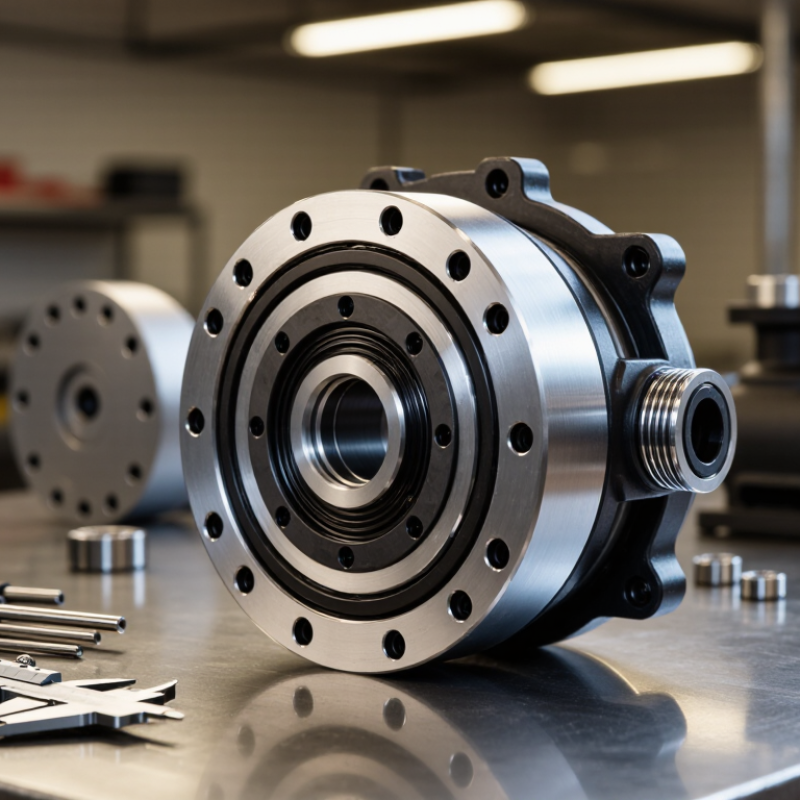
A single cartridge mechanical seal is a preassembled unit fitted around a pump shaft. It typically includes rotating and stationary seal faces, secondary seals, springs, and a gland plate. The cartridge keeps these parts aligned during installation. Setting clips often hold the correct working position until the seal is secured. One compact assembly. Compared with assembling separate seal components in the field, a cartridge design can reduce handling and setup errors. Exact features vary, so check the equipment documentation.

Tips: Confirm shaft size, operating speed, pressure, temperature, and fluid compatibility before choosing a seal. Check the installation instructions, too. A small mismatch can cause leakage or premature wear.

The seal faces form a controlled contact area that limits fluid escape while the shaft turns. Their materials must suit the process fluid and operating conditions. Elastomers and metal parts also need compatible temperature and chemical ratings. A cartridge seal can simplify installation, but it cannot correct poor alignment, vibration, or dry running. That distinction is easy to overlook. In practice, selection should begin with pump and process data, not just the cartridge dimensions. When information is uncertain, verify it with the pump or seal documentation before ordering.

How Its Main Components Work Together

A single cartridge mechanical seal works as a coordinated unit, not as a collection of isolated parts. The rotating face turns with the shaft, while the stationary face remains fixed in the gland. Their finely finished surfaces run close together, with a thin fluid film helping limit friction and leakage. The faces do the sealing. Springs maintain contact as small movements and wear occur, while secondary seals limit leakage around the shaft and gland.

The sleeve, gland, and setting clips help keep the assembly positioned during installation. Once the clips are removed, the seal operates within its designed working range. That sounds simple, but shaft runout, vibration, or incorrect piping can still affect performance. A cartridge cannot correct every equipment problem. Even experienced technicians should check the installation details rather than assume a preassembled unit guarantees a trouble-free start.

Tips: Keep the faces and elastomers clean during handling. Confirm shaft dimensions, alignment, and the specified flush arrangement before startup. Never run the seal dry unless its design explicitly permits it. If leakage appears, pause and investigate the operating conditions; replacing the seal alone may not address the cause.

What Is the Best Single Cartridge Mechanical Seal in 2026? — How Its Main Components Work Together

Face-material thermal conductivity helps dissipate heat generated at the sealing interface. The chart shows typical conductivity ranges for common mechanical-seal face materials; actual values vary by grade and temperature.

How the parts work together: The rotating and stationary faces form the primary seal. Springs maintain face contact, while secondary elastomer seals block leakage around the components. The cartridge sleeve and gland hold the assembly together and help simplify installation. No single face material or cartridge design is best for every service; selection depends on the fluid, pressure, temperature, speed, and equipment.

Which Performance Factors Define the Best Seal in 2026

What Is the Best Single Cartridge Mechanical Seal in 2026?

Which Performance Factors Define the Best Seal in 2026

No seal is universal. The best choice depends on the pump, fluid, and operating conditions. Pressure, temperature, shaft speed, fluid chemistry, and solids content define the seal’s working limits. Check startup and upset conditions, not just steady operation. A seal suited to hot, clean water may wear quickly in abrasive slurry. Face materials should resist wear and heat, while elastomers must remain compatible with the process fluid. Shaft movement and vibration also matter; small changes can affect face contact and leakage.

A cartridge design arrives preassembled and can reduce setting errors, but it cannot fix poor alignment or a damaged sleeve. Alignment still matters. Evaluate leakage control during pressure changes, heat removal, and whether the flush plan could become blocked. Installation access and replacement time deserve attention too. A technically capable seal may prove awkward when routine service is difficult. Compare maintenance records, vibration readings, and leakage trends with documented test conditions. Confirm material compatibility and operating limits, including dry-running risks. In practice, incomplete process data can make a “best” choice uncertain, so field feedback should inform the final selection.

How Seal Designs and Materials Compare Across Applications

What Is the Best Single Cartridge Mechanical Seal in 2026?

The best single cartridge mechanical seal depends on the fluid, operating conditions, and maintenance environment. A cartridge arrives assembled, which can reduce installation errors and make replacement more predictable. But it cannot compensate for poor alignment, excessive vibration, or an unsuitable material choice. Not always.

Seal faces often pair hard materials, such as silicon carbide, with carbon. This combination can suit many clean-water duties, while harder faces may resist abrasive wear in slurry service. Elastomers need equal care: EPDM may suit some water applications, while fluoroelastomers tolerate many oils and chemicals. Compatibility varies with concentration and temperature, so check current material data before specifying a seal.

Application details matter. A hot pump handling a thin solvent may need materials and cooling provisions unlike a food-process pump exposed to frequent washdowns. Abrasive solids can score faces; crystallizing fluids may leave deposits around them. That matters. Review pressure, temperature, shaft speed, flush conditions, and expected dry-running risk together. A practical selection starts with the actual process data, not a broad “universal” claim. Even then, operating records may expose assumptions that looked sound on paper.

How to Select a Single Cartridge Seal for a Specific Pump

The best single cartridge mechanical seal is the one that fits the pump’s duty, not the one with the longest feature list. Start with the process fluid: note its solids, viscosity, lubricity, and tendency to crystallize. Then confirm operating and upset pressure, temperature, speed, and shaft dimensions. Small details matter.

Check the seal chamber’s bore, depth, and available axial space against the pump drawing. Record shaft runout and vibration at operating speed; a cartridge cannot correct poor alignment or a damaged sleeve. API Standard 682 provides guidance on seal arrangements and piping plans for centrifugal and rotary pumps. Use it alongside the pump’s service history, not as a substitute for it.

The U.S. Department of Energy’s Improving Pumping System Performance: A Sourcebook for Industry reports that pumping systems account for nearly 20% of global electricity demand. Seal reliability is only one part of that picture, but leakage, maintenance, and unplanned shutdowns affect operating costs. Match the seal materials and support plan to the actual fluid and chamber conditions. A field note: drawings can be incomplete, so verify dimensions on the pump itself before ordering. That extra check can feel tedious. It is still cheaper than discovering a mismatch during installation.

What Is the Best Single Cartridge Mechanical Seal in 2026? — How to Select a Single Cartridge Seal for a Specific Pump

There is no universally best single cartridge seal. The right choice depends on the pump, process fluid, operating conditions, materials, and applicable safety requirements. Use this comparison as a selection guide, then confirm the design against the pump and seal manufacturers’ specifications.

Service or Pump Condition Single Cartridge Seal Design to Consider Why It May Suit the Application Key Checks Before Selection
Clean, cool water or other low-viscosity, non-hazardous liquid Single, balanced cartridge seal with faces and elastomers compatible with the liquid A balanced design can reduce hydraulic closing force on the seal faces. A single arrangement is commonly considered when limited leakage to the surrounding area is acceptable. Confirm suction conditions, seal-chamber pressure, face pairing, elastomer compatibility, and whether the pump provides adequate circulation or flushing.
Hot process liquid or a service with elevated seal-chamber temperature Single cartridge seal selected for the actual temperature, with an appropriate flush or cooling arrangement where required Temperature affects face lubrication, elastomer performance, and fluid behavior. Managing heat at the seal chamber can help maintain the conditions required for reliable operation. Check the maximum and normal temperatures, vapor pressure, elastomer temperature limits, face-material limits, and the required piping plan and utility availability.
Liquid containing suspended solids or abrasive particles Single cartridge seal with a face and chamber arrangement intended for solids-bearing service; consider a suitable clean flush if the process allows it Solids can interfere with the lubricating film and wear seal faces. The appropriate design depends on particle size, concentration, hardness, and whether solids can settle in the seal chamber. Identify solids concentration and particle characteristics; check chamber geometry, flush source and flow, face materials, and whether a different seal arrangement is required.
Viscous, polymerizing, crystallizing, or otherwise prone-to-deposit liquid Single cartridge seal with a seal-chamber and piping arrangement suited to the fluid; evaluate circulation, heating, or flushing needs Deposits or poor circulation can obstruct the seal area and compromise face lubrication. Cartridge construction can simplify installation, but does not by itself prevent fouling. Review viscosity across the operating temperature range, crystallization or curing behavior, cleanability, flush compatibility, and startup and shutdown procedures.
Corrosive liquid Single cartridge seal using corrosion-compatible wetted metal parts, faces, and secondary seals Material compatibility must be assessed for every wetted component, not just the seal faces. Chemical concentration and temperature can change corrosion behavior. Verify the full chemical composition, concentration, temperature, contaminants, and exposure conditions against material compatibility data.
ANSI process pump with a standard seal chamber Cartridge seal designed for the pump’s seal-chamber dimensions and shaft or sleeve interface A pump-specific fit helps ensure correct installation and alignment. “Cartridge” describes an assembled seal unit; it does not guarantee that a seal fits every pump of the same general type. Confirm pump model, chamber dimensions, shaft or sleeve size, gland bolt pattern, working length, and available axial clearance.
Between-bearings or multistage pump Cartridge seal engineered for the pump’s actual chamber pressure, shaft movement, and operating conditions Seal-chamber conditions can differ substantially from discharge pressure, especially in multistage or balance-line configurations. Obtain seal-chamber pressure, shaft runout and movement, speed, temperature, and hydraulic operating range; verify the design with the pump supplier.
Hazardous, toxic, or environmentally regulated liquid Do not assume a single seal is sufficient; assess whether a dual seal or another containment system is required A single seal has one primary sealing interface and may allow leakage. The acceptable arrangement depends on the hazard, emissions limits, regulations, and site risk assessment. Review applicable regulations and process-safety requirements, expected leakage consequences, monitoring needs, and the site’s containment strategy.

Selection note: Operating limits are design-specific and cannot be determined from seal style alone. Before ordering, provide the seal supplier with pump details, fluid composition, normal and maximum pressure and temperature, speed, seal-chamber conditions, and any flushing or cooling requirements. Confirm the final selection against current manufacturer documentation and the applicable standards for the installation.

NEW JERSEY

Location

Union Tool & Mold is a mold making, repair and plastic injection molding company located in central New Jersey.
(973) 763-6611

220 Rutgers St, Maplewood, NJ 07040
ACCREDITED

Certified Company


SOCIAL PROFILE

Let’s Connect

We invite you to engage with us on LinkedIn, where you can stay updated on our latest news, insights, and professional opportunities.