How to Choose the Best Flexible LED Work Light in 2026

A Flexible Led Work Light can turn a cramped repair into a clear, manageable job. In 2026, choosing one means looking beyond a bright lumen figure. Lighting researcher Dr. John Bullough’s work offers a useful principle, paraphrased here: “Match the light to the task, not just the headline brightness.” That distinction matters when a lamp must illuminate a dark engine bay without reflecting sharply off polished metal.

Look closely at the details. A flexible neck should hold its position above a workbench, not slowly droop toward the floor. Check whether the base uses a strong magnet, a stable hook, or both. Compare beam spread, color rendering, battery runtime, and charging options. A narrow beam can reveal a small fastener. A broader beam may suit wiring beneath a dashboard. If the light will face dust or occasional splashes, review its stated protection rating rather than guessing from its appearance. Small print matters.

There is no single best model for every workshop. A mechanic may value a compact head and a long, bendable neck; a homeowner may prefer simple controls and an easy-to-find charging cable. I would not treat maximum brightness as an automatic win. It can create glare, drain the battery, and leave nearby areas in shadow. Some product specifications are hard to compare, too. This guide explains how to weigh those trade-offs and choose a Flexible LED Work Light that fits your actual tasks, space, and budget.
How to Choose the Best Flexible LED Work Light in 2026

Understand What Defines a Flexible LED Work Light

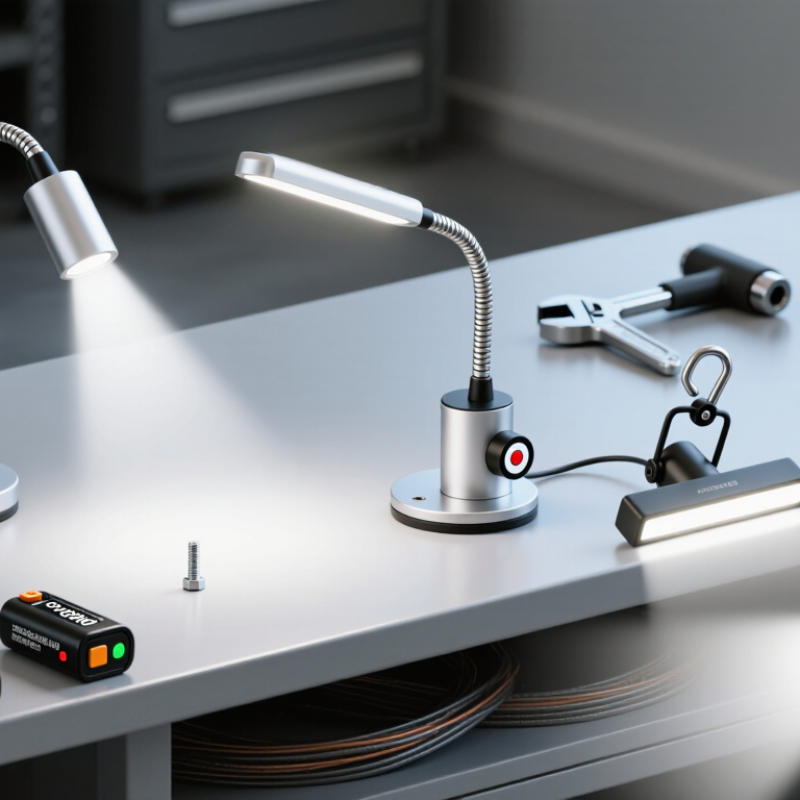
A flexible LED work light is defined by controlled movement, not merely a bendable housing. Its head or arm should hold an aimed position while illuminating a close task, such as a dark engine bay or the back corner of a cabinet. A magnetic base, hook, or stable foot adds practical flexibility. A light that bends easily but keeps drooping is less useful.

Brightness is only one part of the definition. Check the beam pattern, color rendering, battery runtime, heat management, and protection against dust or splashes.

The U.S. Department of Energy’s 2020 U.S. Lighting Market Characterization estimated that LEDs made up about 47% of installed U.S. lighting. That figure covers all lighting, not work lights, but it shows how widely LED technology is used.

Still, the percentage says nothing about how well one portable lamp renders wire colors or reaches under a machine.

For task lighting, examine the actual beam where you work, not just the lumen figure on a package. The IES recommended practice RP-7-21 addresses lighting for industrial facilities, emphasizing that visual tasks and surroundings affect lighting needs. A narrow beam may make a bolt bright while leaving the surrounding area gloomy. That matters.

My own preference is a light with a firm hinge and a diffuser; the diffuser can reduce harsh glare, though it may soften fine detail. The best definition is simple: flexible positioning with usable, steady task light.

Identify the Tasks and Conditions It Must Handle

Before comparing flexible LED work lights, define the actual task. Wiring inside a cabinet needs focused light; inspecting a vehicle needs broader coverage and fewer shadows. OSHA’s construction illumination table lists 5 foot-candles for general work areas and 30 for offices and first-aid stations (29 CFR 1926.56). These are workplace minimums, not a complete task-lighting plan. The IES Recommended Practice RP-7-21 also treats industrial lighting needs as task-dependent. Match the lamp’s output and beam to the work, rather than choosing by maximum brightness alone. Too much glare can hide detail.

Then consider the conditions around the job. Will the light sit on oily concrete, hang from a hood, or bend around a pipe? Check its base, hook, joints, cable length, and resistance to dust or splashes. Check the cord. A magnetic base is useful on steel, but useless on aluminum. For long repairs, compare claimed runtime at the brightness setting you will actually use; maximum-output figures can be misleading. Think about heat, too. A compact lamp may feel handy in a tight space, yet become awkward to reposition with gloves. I would write down the task, distance, available power, and likely mess before shopping. It is a small step, and easy to skip.

Compare Brightness, Beam Control, and Flexibility

How to Choose the Best Flexible LED Work Light in 2026
Compare Brightness, Beam Control, and Flexibility

A good flexible LED work light should illuminate the task, not just produce an impressive number on the box. Compare brightness ratings, but also consider the size and distance of your work area. A dimmer setting can help prevent glare when you are checking wiring or reading small markings. In a dark garage, a broader beam may reveal tools scattered on the floor. Check whether brightness stays consistent as the battery runs down; specifications do not always tell the whole story.

Beam control matters when space is tight. A swiveling head can direct light beneath a sink or across an engine bay, while a focused beam helps inspect one small part. Look for joints that hold their position without slipping. Flexibility is only useful when the light stays where you put it. Some designs feel sturdy at first but become awkward to position around crowded equipment, so consider how you will actually use yours.

Tips: Test the light at your usual working distance, if possible. Compare its brightest and lowest settings, then check whether the base or clip stays secure. A little glare can still surprise you.

How to Choose the Best Flexible LED Work Light in 2026 - Compare Brightness, Beam Control, and Flexibility

Light Type Typical Light Output Beam Control Flexibility and Mounting Power Options Best For Main Trade-Off
Gooseneck task light About 300–1,200 lumens Usually a focused or medium-width beam; aim the light by bending the neck. Highly adjustable near the work surface. Commonly uses a clamp, magnetic base, or weighted base. Rechargeable battery or mains power, depending on the model. Close-up repairs, inspection, and detailed work on a bench or inside a cabinet. Lower output and smaller coverage than most panel or tripod lights.
Magnetic articulating light About 500–2,000 lumens Directional beam; a pivoting head helps target a specific area. Flexible arm or jointed head with a magnetic base for compatible steel surfaces. Often rechargeable; some models use replaceable batteries. Vehicle maintenance, equipment servicing, and hands-free work on metal surfaces. Magnetic mounting is useful only on suitable surfaces, and the beam may illuminate a limited area.
Folding LED panel About 1,000–4,000 lumens Broad, even illumination; folding panels can direct light across different angles. Panels fold or pivot, and many models include a handle, hook, or mounting point. Rechargeable battery or mains power; battery runtime depends on output setting and capacity. Workbenches, indoor renovation, and lighting a wider nearby area. Less precise for small details; larger panels can be less convenient in tight spaces.
Flexible-head tripod light About 2,000–6,000 lumens Wide area coverage; adjustable heads can aim light in different directions. Tripod provides height and a stable freestanding setup; heads or arms may adjust independently. Commonly mains-powered or rechargeable, with some models supporting both. Construction, painting, and general work where a larger area needs illumination. Bulkier to transport and set up than compact clamp or magnetic lights.
Flexible inspection light strip About 200–1,000 lumens Long, relatively even light spread for illuminating narrow spaces. Thin or bendable body; may include a hook or magnetic end for positioning. Typically rechargeable or battery-powered. Looking inside machinery, engine bays, and other narrow or hard-to-reach spaces. Designed for access and inspection rather than lighting a large work area.

The lumen figures are representative ranges for these general light categories, not specifications for a particular product. Actual output, beam pattern, mounting features, and runtime vary by model. Choose based on the size of the area, how precisely the beam must be aimed, available mounting surfaces, and whether battery or mains power suits the job.

Assess Power Options, Durability, and Safety Features

Choose a power source that matches the length and location of your jobs. A rechargeable battery keeps the light portable, but check its stated runtime at the brightness you actually use. Maximum output can drain a battery much faster. For long shifts, a replaceable battery or a corded option may be more practical. Check charging time, too. A light that is still charging when the work begins is not much help.

Inspect the flexible neck and joints, since repeated bending can wear them sooner than the housing. Look for a stable base, a secure clamp, and a stated water- and dust-resistance rating that fits your work area. Ratings describe tested conditions, not permission to soak or drop the light. Keep it away from hot surfaces, and stop using it if the cable, battery, or casing is damaged. Good details matter. Check whether magnets can hold the light safely on the intended surface; thin or painted metal may not provide a reliable grip. A bright lumen figure alone tells little about glare, beam spread, or heat. I would compare those details before paying extra for maximum brightness. Flexible arms can also pinch fingers when repositioned, so adjust them slowly, especially in cramped spaces.

Match Key Specifications to Your Budget and Work Needs

A flexible LED work light should fit the job, not just look powerful on its packaging. On a cramped repair bench, a bendable neck can direct light behind a pipe or beneath a dashboard. Check whether the head holds its position without sagging. A bright lamp that slowly droops becomes frustrating. It happens.

Compare brightness with the area you need to illuminate. Around 500 to 1,000 lumens may suit close inspection, while larger spaces can need more. But extra output can cause glare on polished metal. Look for adjustable brightness, and consider color rendering if you need to distinguish wire colors or inspect finishes. Runtime matters too: a battery rated for several hours may last less at full power. Check how it was tested.

Set a budget after deciding which features you will actually use. A magnetic base is useful on steel panels, but less helpful around aluminum or plastic. A hook or clamp may matter more in those settings. For dusty or damp work areas, check the stated ingress rating and follow its limits. Not every flexible light is designed for rough handling. It is easy to focus on one impressive specification and miss the small details, like charging time or a slippery switch. Think about where the light will sit, how long the task lasts, and what you can comfortably spend.

NEW JERSEY

Location

Union Tool & Mold is a mold making, repair and plastic injection molding company located in central New Jersey.
(973) 763-6611

220 Rutgers St, Maplewood, NJ 07040
ACCREDITED

Certified Company


SOCIAL PROFILE

Let’s Connect

We invite you to engage with us on LinkedIn, where you can stay updated on our latest news, insights, and professional opportunities.