Choosing the best Electronic Vacuum Gauge in 2026 starts with the pressure range your process actually needs. A gauge used for rough pumping may not provide reliable readings at high vacuum. Sensor type matters. Pirani and thermocouple gauges infer pressure from heat transfer, so gas composition and temperature can affect their readings. Capacitance diaphragm gauges measure pressure through membrane deflection and are less sensitive to gas type, though their useful range depends on the model. For high-vacuum work, an ionization gauge may be appropriate, but it requires careful handling and suitable operating conditions.
There is no universal winner. Not even close. A good choice balances measurement range, accuracy, response time, process compatibility, and total ownership cost. Check the specified accuracy across the pressure range, not just one headline figure. Also review calibration intervals, connection size, display readability, and whether the instrument can tolerate vibration or contamination. In a lab, stable readings and traceable calibration may matter most. On a production line, rugged construction and clear alarms can save time. Small details count.
This guide compares gauge types and selection criteria, rather than treating a popular brand as automatically best. It also considers practical checks: compare the gauge with a calibrated reference, confirm that its sensor suits the process gas, and follow the manufacturer’s installation guidance. Datasheets can look reassuring; real installations are less tidy. Some compromises are unavoidable, and that deserves an honest look. The right gauge is the one that measures the pressures you need, consistently and safely, in your actual system.
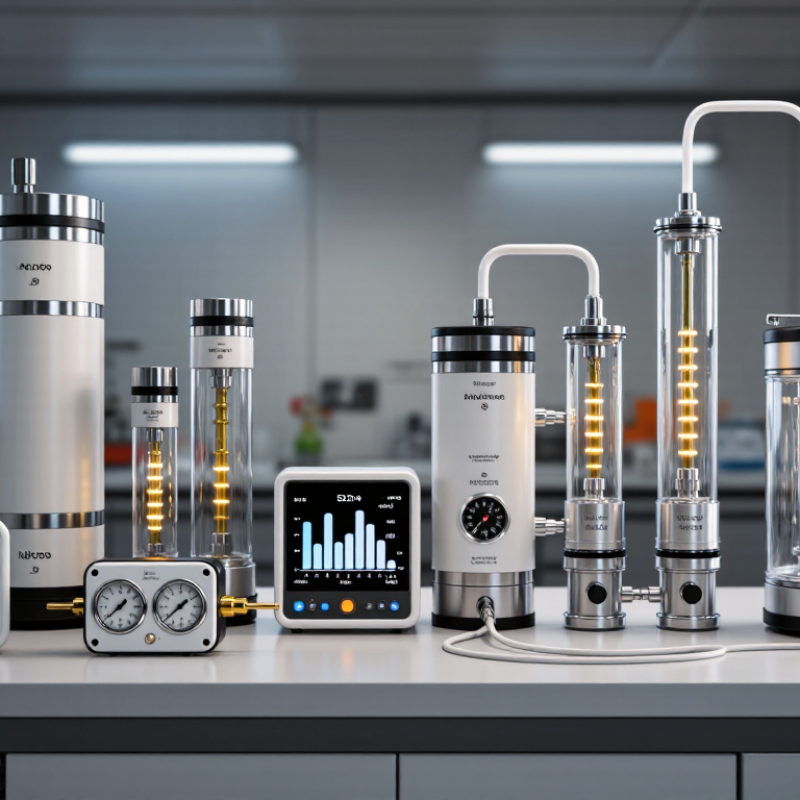
An electronic vacuum gauge measures pressure inside a chamber, not “vacuum” as a substance. It reports gas force per area, usually in pascals (Pa), helping operators check pumping performance, leaks, or process conditions. The display commonly shows absolute pressure: lower values mean fewer gas molecules exert force on the chamber walls. Small distinction, big consequences. A pressure reading alone cannot show where gas is entering or whether the sensor is contaminated.
Different gauges infer pressure in different ways. A capacitance diaphragm gauge detects membrane deflection; a thermal gauge measures heat loss; an ionization gauge measures ion current. Their readings can vary with pressure range and gas composition. ISO 3529-1:2019 defines high vacuum as 10⁻¹ to 10⁻⁵ Pa and ultrahigh vacuum as below 10⁻⁵ Pa. These bands help describe operating conditions, but they are not magic thresholds. Not quite. Thermal gauges may read differently when the gas mixture changes, while ionization readings can depend on gas species. Check the gauge’s specified range and gas correction, then inspect the sensing port for dust or an oil film. A clean display can still be wrong.

Electronic vacuum gauges measure absolute gas pressure, not vacuum directly. The best type depends on the pressure range, gas composition, accuracy requirements, and process conditions. These representative ranges vary by model; no single gauge is best for every application.
Which Electronic Vacuum Gauge Is Best in 2026?
How Electronic Vacuum Gauges Convert Pressure into Readings
An electronic vacuum gauge does not measure “vacuum” directly. It detects how gas molecules affect a sensing element, then converts that response into an electrical signal. The gauge’s electronics interpret the signal and display a pressure reading, often in pascals, millibar, or torr. The details depend on the sensor type.
A capacitance diaphragm gauge measures how pressure bends a thin membrane. Its reading is generally less dependent on gas composition, which can help when process gases change. A thermal-conductivity gauge instead tracks how efficiently gas carries heat away from a heated element. That response varies with gas type, so its calibration matters. At very low pressures, an ionization gauge estimates pressure from the electrical current produced when gas molecules are ionized. Each method has limits.
That sounds simple. It isn’t always. Readings can shift with temperature, contamination, installation position, or a mismatched gas setting. For example, a small film on a sensor may change its response before the display makes the problem obvious. Check the stated measurement range, compatible gases, and calibration method against your actual process. A wide range looks useful, but no single sensor performs equally well across every pressure regime. I would also treat a stable number with caution if the system has just been vented or cleaned; the gauge and chamber may need time to settle.
Electronic vacuum gauges use different physical principles, so their readings are not interchangeable. Thermal-conductivity gauges, including Pirani-style designs, estimate pressure from how quickly gas carries heat away from a sensor. They suit rough and medium vacuum work. Gas type matters. A reading may shift when the gas mixture changes, even if the chamber pressure does not.
Capacitance diaphragm gauges measure pressure through a flexible membrane. Their readings are largely independent of gas composition, which helps when comparing processes or monitoring changing gases. They are useful where accuracy and repeatability matter, but diaphragm materials and pressure range must fit the application. A clean-looking display is not proof of correct calibration.
Ionization gauges measure the ions created in a gas. Hot-cathode models can measure very low pressures, while cold-cathode versions avoid a heated filament. Both need suitable operating conditions; contamination or sudden exposure to higher pressure can affect performance. They are not general-purpose replacements for thermal gauges. Match the gauge to the expected pressure, gas, and chamber environment, then check it against a suitable reference. That step is easy to overlook. A stable number can still be wrong.
Which Electronic Vacuum Gauge Is Best in 2026?
Choosing a vacuum gauge starts with the process, not a feature list. Ask what pressure range you need to measure and how the reading will guide decisions. A roughing line, a coating chamber, and a freeze-drying vessel place very different demands on a sensor. One gauge rarely covers every stage equally well.
For rough and medium vacuum, a thermal-conductivity gauge can give quick, practical readings. Its response depends on the gas, so a change from air to another process gas may shift the reading. That matters. A capacitance diaphragm gauge measures pressure with less dependence on gas type and suits processes where repeatable pressure control is important. Its useful range is more limited. For high vacuum, an ionization gauge can detect very low pressures, but it needs a suitable operating range and careful protection from contamination.
Check the gauge’s stated range, gas compatibility, accuracy, response time, and connection before buying. Consider what happens when oil vapor, dust, or condensable material reaches the sensor. I have seen a technically capable gauge become a poor choice simply because it was installed in the wrong location. Mounting it near the chamber can help, but space and service access may complicate that decision. Calibration also deserves attention; it is easy to postpone until readings seem suspicious. Choose for the pressure you actually need to control, and verify performance under your real operating conditions.
Which Electronic Vacuum Gauge Is Best in 2026?
How Leading Gauge Types Compare in 2026
In 2026, the best electronic vacuum gauge depends less on its headline range than on the gas, pressure band, and process. There is no universal winner. A gauge that reads steadily in a clean test chamber may drift when exposed to vapor or deposits.
Thermal-conductivity gauges, including Pirani-style sensors, are practical for rough and medium vacuum. They respond quickly and are easy to integrate, but readings depend on gas composition and temperature. Capacitance diaphragm gauges measure force on a membrane, so readings are largely independent of gas type. They suit process control where repeatability matters, though cost and pressure range can limit their use. Small details matter.
For high vacuum, ionization gauges can measure much lower pressures. Hot-cathode designs offer sensitivity, while cold-cathode types avoid a heated filament. Either can be affected by contamination, operating conditions, and calibration choices. Don’t assume the display tells the whole story. Compare usable range, response time, sensor exposure, and maintenance needs against real conditions. A mixed setup may be more dependable: one gauge for roughing, another for high vacuum, with overlap to reveal disagreement. That overlap helps, but adds wiring and calibration work. In practice, poor placement or a dirty port can matter as much as the sensor itself.
| Gauge type | Typical useful range (approx.) | Measurement principle | Key strengths | Main limitations | Best suited to |
|---|---|---|---|---|---|
| Capacitance diaphragm gauge | About 10−5 to 103 Torr, depending on the full-scale model | Measures diaphragm deflection caused by pressure; the reading is largely independent of gas type. | High accuracy and repeatability; useful for process control and calibrations; suitable for many corrosive or condensable gases when the wetted materials are compatible. | Each sensor has a finite range; low-range versions can be costly and may require temperature control for best stability. | Applications where accurate, gas-independent pressure measurement matters. |
| Pirani gauge | Approximately 10−4 to 103 Torr, depending on design | Infers pressure from heat loss from a heated element to the surrounding gas. | Broad rough- and medium-vacuum coverage; robust and commonly used for pump-down monitoring. | Response depends on gas composition and temperature; contamination can affect the sensing element and calibration. | General-purpose vacuum systems, chamber monitoring, and foreline measurement. |
| Thermocouple gauge | Typically about 10−3 to 1 Torr | Uses the temperature of a heated filament, sensed by a thermocouple, as an indication of gas heat conduction. | Simple, relatively economical, and useful in the rough-to-medium vacuum region. | Gas-dependent and generally less accurate than a capacitance diaphragm gauge; not suitable for high-vacuum measurement. | Basic vacuum indication and pump-down checks where moderate accuracy is sufficient. |
| Cold-cathode ionization gauge | Approximately 10−2 to 10−9 Torr; the usable range depends on the design and conditions | Uses a discharge in a magnetic field to ionize gas; ion current is related to pressure. | No hot filament; can measure high vacuum and is often mechanically robust. | May not start reliably at higher pressures; readings depend on gas and surface condition; discharge can be affected by contamination. | High-vacuum systems that need a filament-free ionization gauge. |
| Hot-cathode ionization gauge | Approximately 10−2 to 10−10 Torr; the lower limit varies with instrument and setup | Electrons emitted by a heated filament ionize gas molecules; the resulting ion current indicates pressure. | Sensitive and widely used for high- and ultrahigh-vacuum measurement; offers a broad low-pressure range. | Filament can be damaged by excessive pressure or reactive gases; readings depend on gas species, and very low readings can be limited by X-ray effects. | Clean high-vacuum and ultrahigh-vacuum systems requiring sensitive pressure monitoring. |
| Spinning-rotor gauge | Typically about 10−2 to 10−7 Torr, depending on the instrument | Determines pressure from the rate at which gas molecules slow a magnetically suspended rotating sphere. | Good repeatability and useful as a transfer standard; no hot filament or ionization discharge. | Typically slower to respond and sensitive to gas species, vibration, and sphere condition; less suitable for fast-changing pressure. | Calibration work and stable vacuum measurements where repeatability is important. |
Note: Pressure ranges are indicative, not guaranteed specifications; actual limits vary by sensor design, controller, gas composition, contamination, and operating conditions. No single gauge type is best for every application.
