2026 Best Wheel Hub Assembly Brands for Global Buyers

Choosing the right Wheel Hub Assembly is not a simple brand comparison. Global buyers face different road conditions, vehicle platforms, supplier standards, and after-sales expectations. A hub that performs well on smooth European highways may struggle on rough rural roads, heavy commercial routes, or humid coastal regions.

Gary Frantz, a wheel-end engineering specialist, has emphasized, “Fitment is only the beginning; durability is the real test.” That principle guides this 2026 review. Reliable evaluation must examine bearing design, seal protection, flange accuracy, sensor compatibility, heat resistance, and corrosion control. It should also consider manufacturing consistency and technical support.

Small details matter.

A loose connector can trigger an ABS warning. Poor sealing may allow water and grit to reach the bearing. An inaccurate flange can create vibration, uneven brake wear, or difficult installation. These problems may not appear during a short inspection. They often emerge after months of loading, temperature changes, and imperfect roads.

This guide compares leading Wheel Hub Assembly brands for international buyers. It considers product coverage, material quality, testing practices, warranty policies, supply reliability, and installation support. Evidence from technical specifications, field experience, distributor feedback, and service records provides the foundation.

Still, no ranking is perfect. Regional availability can change quickly. A respected brand may also have inconsistent product lines. Buyers should verify the exact part number, vehicle application, bearing preload, sensor type, and supplier traceability before ordering. The cheapest option may save money today, but not after a roadside failure.
2026 Best Wheel Hub Assembly Brands for Global Buyers

Wheel Hub Assemblies: Definition, Purpose, and Core Components

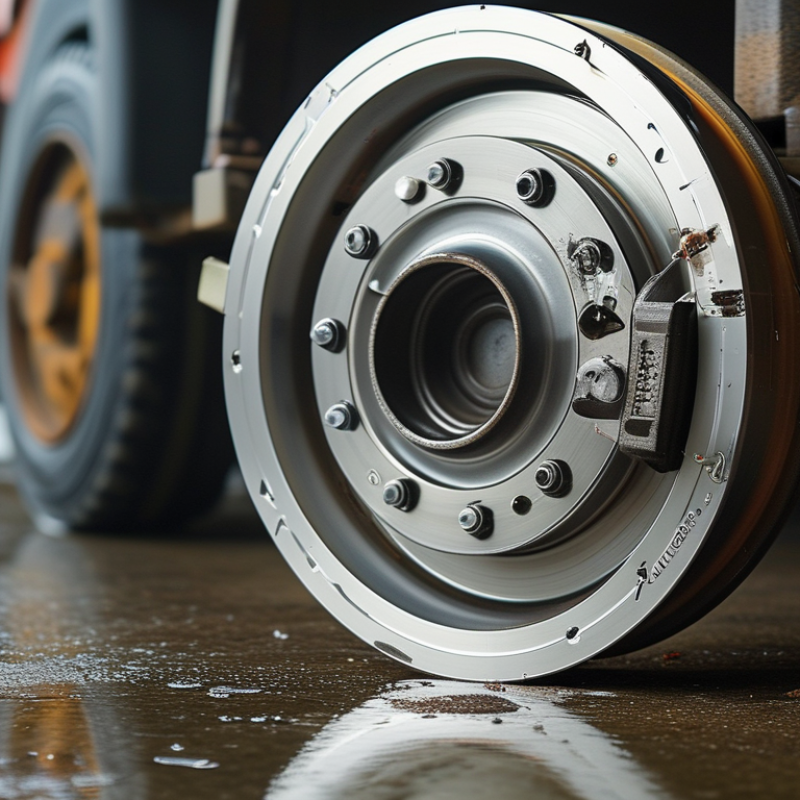
A wheel hub assembly connects the wheel to the vehicle and supports smooth rotation. It also transfers driving, braking, and cornering forces. In practical inspections, I treat it as a safety-critical unit, not a simple metal mounting part. A worn hub may produce humming, vibration, uneven tire wear, or looseness during steering.

Core components Core components usually include the hub flange, wheel studs, bearings, seals, and an ABS sensor or encoder ring. The flange holds the wheel securely. Bearings reduce friction while carrying the vehicle’s weight. Seals keep moisture and road grit away from the rolling surfaces. The sensor reports wheel speed to braking and stability systems. Small damage can matter.

Fitment requires careful attention Fitment requires careful attention. Check the vehicle application, spline design, bolt pattern, sensor connector, and bearing preload. A visually similar assembly may still be incorrect. Installation torque also deserves respect. Over-tightening can shorten bearing life, while insufficient torque may create dangerous movement. Clean mounting faces before installation.

Inspection and diagnosis I have seen new parts fail early because technicians reused damaged hardware or ignored corrosion. That mistake is easy to repeat. Noise diagnosis can also be imperfect, since tire wear and drivetrain sounds may imitate bearing damage. Confirm the source with a road test, lift inspection, and play check. Good records of mileage, symptoms, and installation conditions improve purchasing decisions for global buyers.

How to Evaluate Wheel Hub Assembly Quality and Compatibility

Global buyers should evaluate wheel hub assemblies by measured fit, not packaging claims. Compatibility begins with the vehicle’s VIN, axle position, brake package, and production date. Confirm flange diameter, bolt pattern, spline count, bearing width, and sensor connector. Even a two-millimeter error can affect rotor alignment or sensor clearance. S&P Global Mobility’s 2024 vehicle-age analysis reported an average U.S. light vehicle age of 12.6 years. Older vehicles increase replacement demand, but they also widen fitment risks. Catalog discipline matters.

Quality needs evidence beyond a polished specification sheet. Ask for dimensional inspection records, material certificates, seal-test results, and ABS signal checks. ISO 281 calculations can help assess bearing life, but they cannot predict every road condition. Salt, water, potholes, and incorrect torque remain practical failure causes. The 2024 Auto Care Association Factbook valued the U.S. aftermarket at about 593 billion dollars in 2023, showing the scale of replacement demand. Yet a large market does not guarantee consistent quality. A high load rating can still hide weak sealing. That deserves scrutiny.

Tips: Match the original part number, then verify every dimension. Request test reports traceable to a production batch. Check connector lock shape carefully. Photograph the old assembly before ordering. Do not assume a catalog match is perfect; confirm it with the service manual and the vehicle identification number.

Leading Wheel Hub Assembly Brands for Global Buyers in 2026

Leading wheel hub assembly brands for global buyers in 2026 are judged by more than price or warehouse availability. Established OE suppliers usually provide accurate fitment data, controlled bearing preload, and consistent machining. Specialist aftermarket manufacturers may offer wider coverage for older vehicles and regional models. Fit matters. Buyers should verify vehicle year, engine, axle position, ABS configuration, and flange dimensions before ordering.

In real workshop checks, a reliable assembly should rotate smoothly without grinding, looseness, or uneven resistance. The tone should stay quiet. Quality producers use sealed bearings, corrosion-resistant surfaces, and tested ABS encoder rings. They also provide traceable batch information and clear installation guidance. A missing torque value is a warning sign. Professional buyers should compare warranty terms, laboratory reports, packaging strength, and technical response times across suppliers.

Global shipping adds practical concerns. Moisture-resistant packaging helps protect machined surfaces during long sea transport. Regional inventory can reduce repair delays, but low stock does not prove quality. I have seen well-presented parts fail because the connector was slightly wrong. That detail matters. Even leading manufacturers can make occasional errors, especially when catalog data is incomplete. Buyers should inspect the part before fitting, follow the vehicle maker’s torque procedure, and record any mismatch for supplier review. Reliability grows through evidence, not attractive claims.

Brand Comparison by Performance, Coverage, Price, and Availability

2026 Best Wheel Hub Assembly Brands for Global Buyers

Brand Comparison by Performance, Coverage, Price, and Availability

Performance should begin with measurable fit, not packaging claims. Compare bearing noise, sealing quality, sensor accuracy, corrosion resistance, and tested load capacity. In my workshop experience, a precise hub runs quietly, while poor sealing quickly exposes the bearing to water and road grit. The Fortune Business Insights Automotive Wheel Hub Bearing Market report identifies durability and safety as major purchasing factors. Still, published test data is uneven. Buyers should request test standards, torque specifications, and warranty failure rates before selecting a supplier.

Coverage matters when vehicle fleets cross borders. A broad catalog should include passenger cars, commercial vehicles, left-hand-drive models, and regional braking configurations. S&P Global Mobility reported that the average U.S. vehicle age reached about 12.6 years in 2024, supporting continued demand for replacement hubs. However, catalog size can mislead. Check VIN matching, obsolete-part support, and technical drawings. More listings do not always mean better coverage.

Price comparisons must include the full operating cost. Grand View Research valued the global automotive aftermarket at roughly USD 448 billion in 2023, showing strong demand but intense price pressure. A cheaper hub may create extra labor through early replacement or incorrect fitment. Availability also deserves evidence. Compare warehouse locations, confirmed stock, shipping lead times, and return handling. Fast delivery helps. Yet local stock without quality verification remains a weak advantage. I would score each supplier by performance, coverage, landed price, and delivery reliability, then review those scores after real installation data arrives.

2026 Best Wheel Hub Assembly Brands for Global Buyers - Brand Comparison by Performance, Coverage, Price, and Availability

The table below compares common wheel hub assembly supplier profiles rather than individual companies or brands. Figures are indicative global aftermarket ranges; actual results depend on vehicle application, axle position, market, certification, order quantity, and distribution channel.

Supplier Profile Typical Performance Positioning Common Bearing Configuration ABS / Sensor Compatibility Typical Vehicle Coverage Indicative Price Index Typical Warranty Range Global Availability Best Fit for Buyers
OE-Equivalent Replacement High
Designed to match original fit, mounting dimensions, sealing, preload, and sensor requirements.
Usually double-row sealed ball bearings for passenger cars; tapered roller designs are common on selected trucks and older applications. Usually available with application-specific active or passive ABS encoder rings; connector and tooth-count verification is required. Broad coverage of current and recently discontinued passenger cars, light commercial vehicles, and SUVs. 90–130
Reference: OE replacement price = 100
Typically 12–36 months, subject to seller and market terms. High Fleet maintenance, distributors, repair networks, and buyers prioritizing fitment reliability.
Premium Aftermarket High
Emphasis on consistent metallurgy, controlled bearing preload, corrosion protection, and low noise.
Sealed double-row angular-contact or deep-groove ball bearings; heavy-duty applications may use tapered roller bearings. Broad sensor availability, but ABS performance remains dependent on encoder polarity, air gap, wiring, and vehicle software. Strong coverage for high-volume European, Asian, and North American applications. 75–115
Reference: OE replacement price = 100
Typically 24–36 months or a mileage limit. High Global importers and professional workshops seeking a balance between durability and cost.
Standard Replacement Medium
Meets basic fitment and service requirements when the part number and application are correctly matched.
Most frequently sealed ball-bearing hub units; specifications vary significantly by application and production source. Available for many common applications; sensor and connector details require careful catalog checking. Very good for high-volume vehicles, with less depth for low-production or newly launched models. 45–80
Reference: OE replacement price = 100
Typically 12–24 months. High for popular applications Cost-sensitive distributors, independent garages, and routine repair orders.
Economy Replacement Basic
Focused on low purchase price; quality consistency can vary between production batches and suppliers.
Usually sealed ball-bearing units for common passenger-car applications. Coverage is selective; incorrect encoder ring design can cause ABS warning lights or wheel-speed signal errors. Primarily older, high-volume passenger cars and light-duty vehicles. 25–50
Reference: OE replacement price = 100
Typically 6–12 months. Medium Short-term repairs and markets where acquisition price is the primary consideration.
Heavy-Duty / Commercial High Load Capacity
Optimized for higher axle loads, extended operating hours, braking heat, and demanding road conditions.
Tapered roller bearings, unitized hub systems, or application-specific heavy-duty bearing arrangements. ABS and wheel-speed sensor configurations vary widely by truck platform; VIN and axle data are often necessary. Light trucks, buses, trailers, medium-duty trucks, and selected off-road vehicles. 100–180
Reference: OE replacement price = 100
Typically 12–36 months, sometimes linked to mileage or operating conditions. Medium to High Commercial fleets, logistics operators, heavy-vehicle distributors, and workshop networks.
EV-Compatible Replacement Application Specific
Requires compatibility with vehicle mass, regenerative braking, thermal load, sensor architecture, and electronic stability systems.
Sealed hub units with application-specific bearing preload and encoder arrangements; the design is vehicle dependent. Sensor and encoder compatibility is essential for ABS, traction control, stability control, and wheel-speed monitoring. Selected battery-electric and hybrid passenger vehicles; coverage is expanding but remains model dependent. 90–150
Reference: OE replacement price = 100
Typically 12–36 months. Medium and expanding Specialized EV repairers and distributors with reliable application catalog data.
Buyer verification checklist: Confirm VIN or OE reference, front/rear axle position, driven/non-driven wheel, flange and bolt pattern, spline count, ABS encoder type, connector design, bearing preload specification, and required certifications before placing an order.
Price index: An indicative comparison tool only. It excludes taxes, freight, import duties, core charges, installation, and regional distributor margins.
Availability: “High,” “Medium,” and “Low” describe typical market availability for the listed supplier profile, not a guarantee of stock for any specific part number.

Global Purchasing Factors: Certification, Warranty, and After-Sales Support

2026 Best Wheel Hub Assembly Brands for Global Buyers

Global buyers should judge wheel hub assemblies beyond price. Certification provides the first signal of process control. ISO 9001 confirms documented quality systems, while IATF 16949 indicates stronger automotive manufacturing discipline. These certificates do not guarantee every bearing will perform perfectly. Ask for current certificates, test methods, and traceability records. Useful evidence includes dimensional inspection, bearing fatigue testing, corrosion testing, and ABS sensor verification.

Warranty language deserves equal attention. Define coverage by months and mileage, and check whether labor, return freight, and diagnostic costs are included. S&P Global Mobility reported that the average U.S. vehicle age reached about 12.6 years in 2024. Older vehicles create steady replacement demand, but compatibility risks also increase. A reliable supplier should provide fitment data, batch codes, installation guidance, and a documented claim process. After-sales support should include regional contacts, multilingual communication, and clear response times. In practice, a fast answer can matter more than a slightly longer warranty. Some purchasing teams still overlook this.

Tips: Request three sample units before a large order. Compare runout, connector quality, seal condition, and mounting accuracy. Keep photographs and test results. Ask how failed units are analyzed, not merely replaced. TÜV Rheinland and SGS market-inspection guidance both emphasize traceability and documented corrective action for safety-related components. That detail is easy to miss.

NEW JERSEY

Location

Union Tool & Mold is a mold making, repair and plastic injection molding company located in central New Jersey.
(973) 763-6611

220 Rutgers St, Maplewood, NJ 07040
ACCREDITED

Certified Company


SOCIAL PROFILE

Let’s Connect

We invite you to engage with us on LinkedIn, where you can stay updated on our latest news, insights, and professional opportunities.